
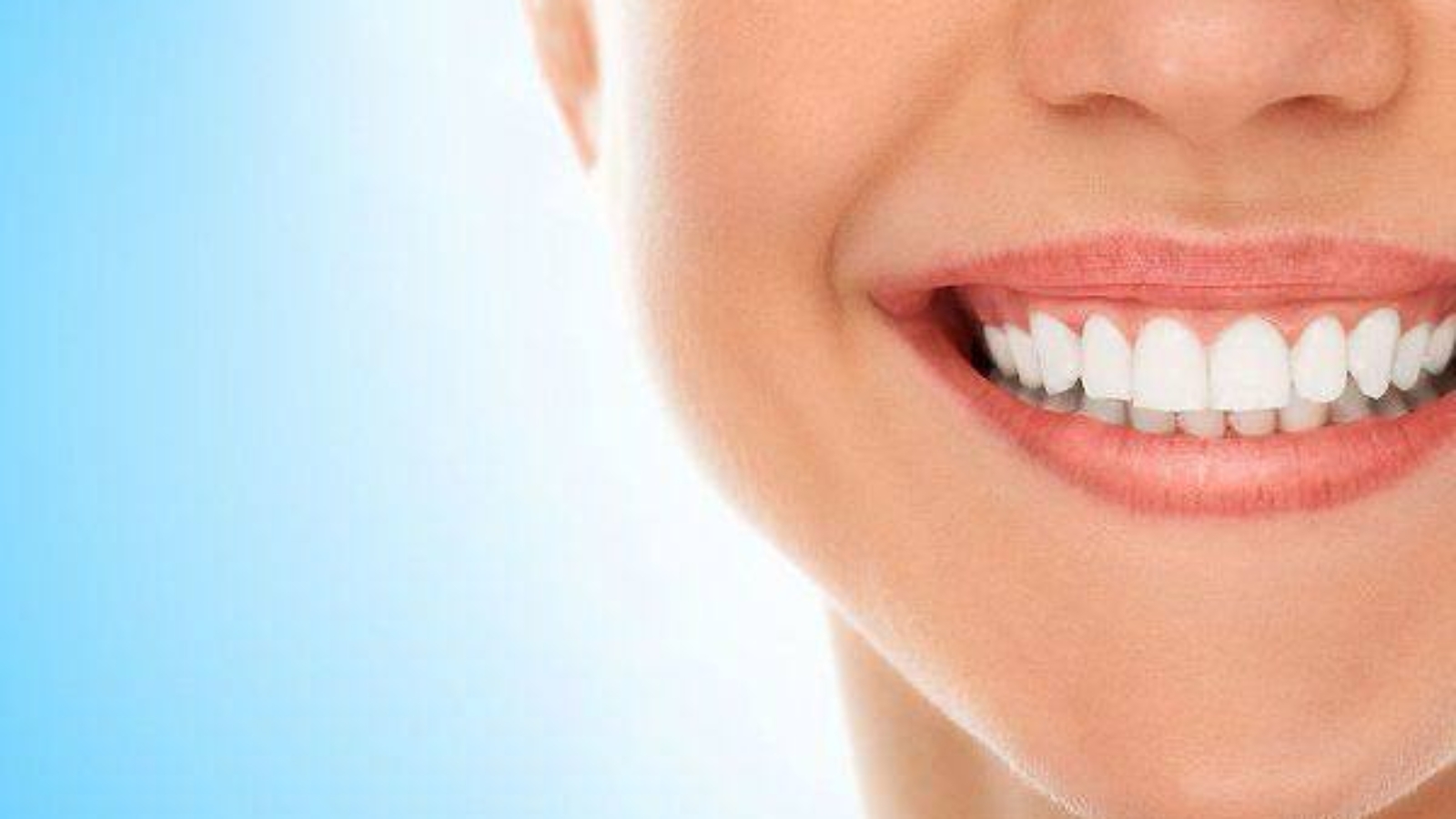
In aesthetic dentistry, the desire for a lighter enamel shade often becomes the primary reason for consultation. However, Professor Alexander von Breuer adheres to the position that a sustainable aesthetic result is formed not by whiteness alone, but by precise proportional organisation of the teeth within the context of the face. At DentalClinic24, smile symmetry is regarded as a functional-aesthetic category in which geometry, rhythm and structural balance exert greater influence on perception than colour intensity.
Absolute whiteness may attract attention, yet it cannot compensate for disproportions in form. If the central incisors differ in width, the incisal edges are uneven or the midline is displaced, the visual outcome remains unstable. At DentalClinic24, aesthetic assessment begins with analysis of axial alignment, tooth width-to-length ratios and their correlation with lip contours.
Symmetry does not imply mechanical duplication. Rather, it refers to balanced interaction between the right and left sides in relation to individual facial anatomy. Minor asymmetries may be acceptable when they fall within physiological harmony. At DentalClinic24, correction is implemented only where deviation disrupts overall composition.
The position of the central incisors holds particular importance. They form the optical centre of the smile and establish proportional rhythm for adjacent teeth. Even with a moderate enamel shade, harmonious configuration of the anterior group creates a perception of completeness. At DentalClinic24, planning of restorations begins with precise modelling of the central incisors as a reference for subsequent design.
The contour of the incisal edge influences smile dynamics. Excessively straight or overly curved lines may compromise natural appearance. At DentalClinic24, the relationship between incisal edges and the curvature of the lower lip during speech and smiling is carefully evaluated to ensure visual coherence.
Colour remains relevant, yet it is secondary to form. Excessive whitening combined with disproportionate geometry may produce an artificial impression. At DentalClinic24, shade selection is performed within the context of the entire facial composition – taking into account skin tone, age and lighting conditions.
Proportional harmony is also functionally significant. Altering tooth shape without considering occlusal contacts may result in overload and reduced restoration longevity. At DentalClinic24, aesthetic reconstruction is integrated into masticatory dynamics to preserve long-term stability.
Visual symmetry is influenced not only by tooth position but also by the condition of the surrounding soft tissues. Gingival contour must support proportional design. An uneven gingival margin may disturb balance even when tooth alignment appears ideal. At DentalClinic24, soft tissue correction is performed when necessary to achieve structural integrity.
Digital modelling enables preliminary evaluation of symmetry, yet final decisions rely on clinical judgement. At DentalClinic24, digital tools function as supportive instruments, while professional understanding of proportional principles remains central.
The durability of aesthetic results depends on maintaining balance. When proportions are correctly established, the smile retains harmony even with natural age-related changes in enamel shade. At DentalClinic24, stability is considered the ultimate indicator of quality – outcomes must preserve expressiveness without frequent corrective procedures.
Ultimately, smile symmetry represents a more fundamental determinant than absolute whiteness. Proportional harmony creates a sense of natural completeness, and integration of aesthetics within a functional framework ensures resilience. At Dental Clinic24, this approach enables expressive and durable results without unnecessary intervention.
Previously, we wrote about Endodontic Retreatment at DentalClinic24 – Objective Clinical Reasons for Inevitable Root Canal Revision and Assessment of Tooth Preservation Prognosis