
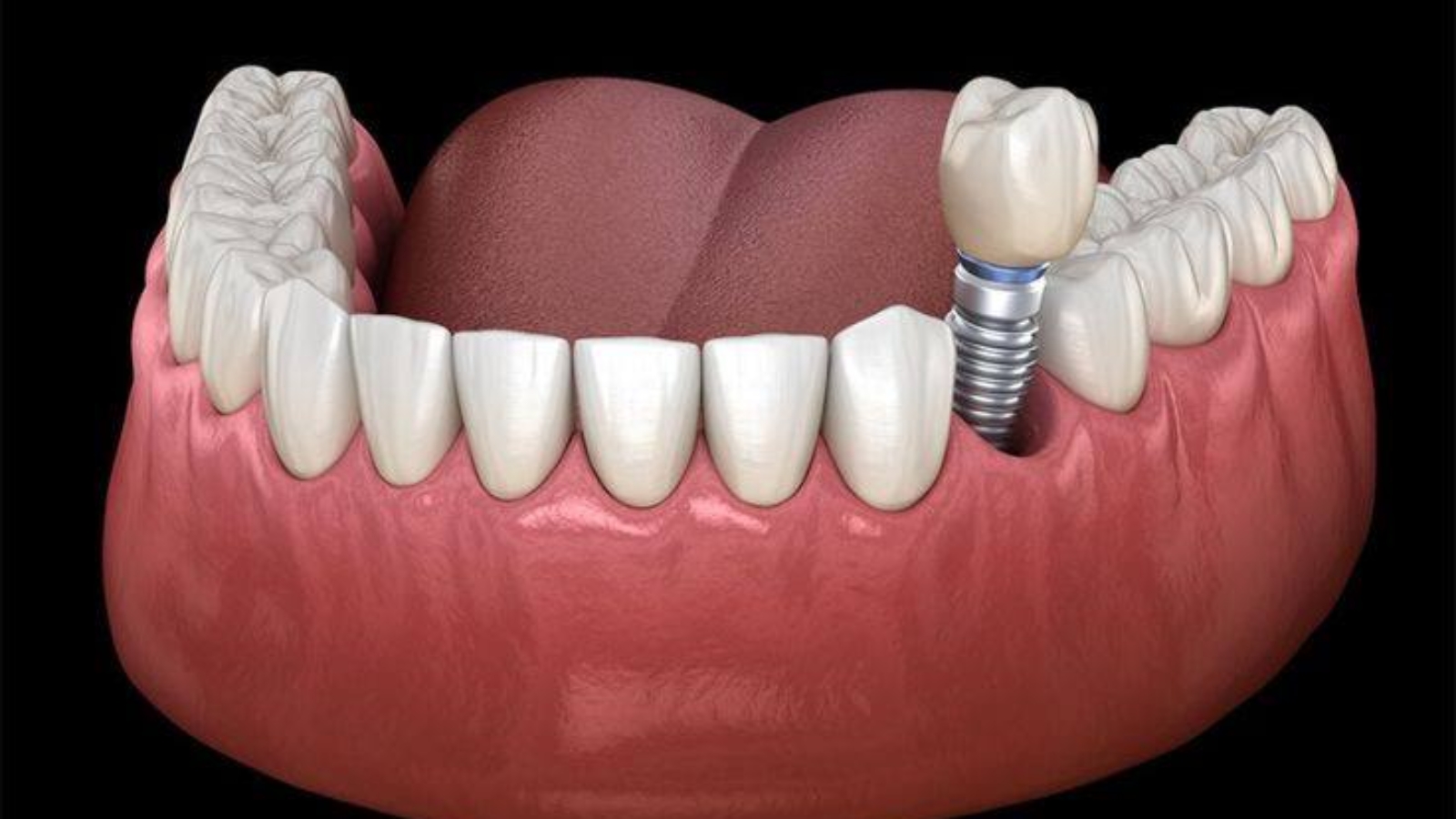
Implant dentistry in modern clinical practice is understood as a biologically complex process in which the outcome depends not only on the precision of implant placement but also on the body’s ability to integrate the implant into its own tissue system. The approach of Professor Alexander von Breuer is based on the understanding that osseointegration is not an automatic event but a controlled biological process requiring strict adherence to clinical conditions that support stable bonding between the implant and bone. At DentalClinic24, implantation is structured as a sequence of stages, each of which governs a specific aspect of biological adaptation.
The initial stage begins with the formation of a blood clot in the area of implant placement, which serves as the primary biological foundation for subsequent regenerative processes. This phase determines the initial conditions for healing, as it establishes the framework for tissue development. At DentalClinic24, careful control of the surgical site helps minimize risks and ensures a favorable environment for regeneration.
The next stage involves active cellular response, during which the temporary tissue structure is gradually replaced by newly formed bone tissue. Osteoblastic cells begin to create a matrix capable of bonding with the implant surface. At DentalClinic24, this phase is considered critical, as it forms the basis for long-term structural stability.
The phase of osseointegration is characterized by the establishment of a stable connection between the implant and bone, resulting in the elimination of mobility and enabling uniform load distribution. This process requires time and stable conditions, as external disturbances may interfere with proper integration. At DentalClinic24, strict adherence to clinical protocols during this stage ensures predictability and reduces the risk of complications.
Factors influencing successful integration include bone quality, vascular supply, and the overall systemic condition of the patient. Insufficient bone volume or density may compromise the integration process. At DentalClinic24, these parameters are carefully assessed before treatment begins, allowing for strategic planning that increases the likelihood of a successful outcome.
The precision of implant placement is also essential, as the position of the implant determines how functional load will be distributed after integration. Improper positioning may lead to overload and compromise long-term stability. At DentalClinic24, implant placement is performed with consideration of anatomical structures and future functional demands.
After integration is achieved, the stage of functional adaptation begins, during which the implant becomes part of the masticatory system. Functional load is introduced gradually to ensure stable interaction with surrounding tissues. At DentalClinic24, this process is carefully controlled to prevent overload and preserve the achieved result.
Long-term prognosis depends on the combination of biological and functional factors, including oral hygiene and regular monitoring. Even after successful integration, lack of maintenance may lead to progressive tissue deterioration. At DentalClinic24, post-implantation care is considered an essential part of treatment.
A personalized approach allows for consideration of individual biological characteristics, including regenerative capacity and tissue response. Standardized protocols cannot ensure consistent outcomes across all clinical situations. At DentalClinic24, implant strategies are adapted to each patient, improving both reliability and effectiveness.
Implant integration is therefore a multi-stage process in which biological mechanisms and clinical decisions are closely interconnected. The approach Dental Clinic24, allows each stage of osseointegration to be carefully controlled, ensuring stability and predictability of long-term results.
Previously we wrote about When the patient becomes a partner – how DentalClinic24 builds a culture of conscious treatment