
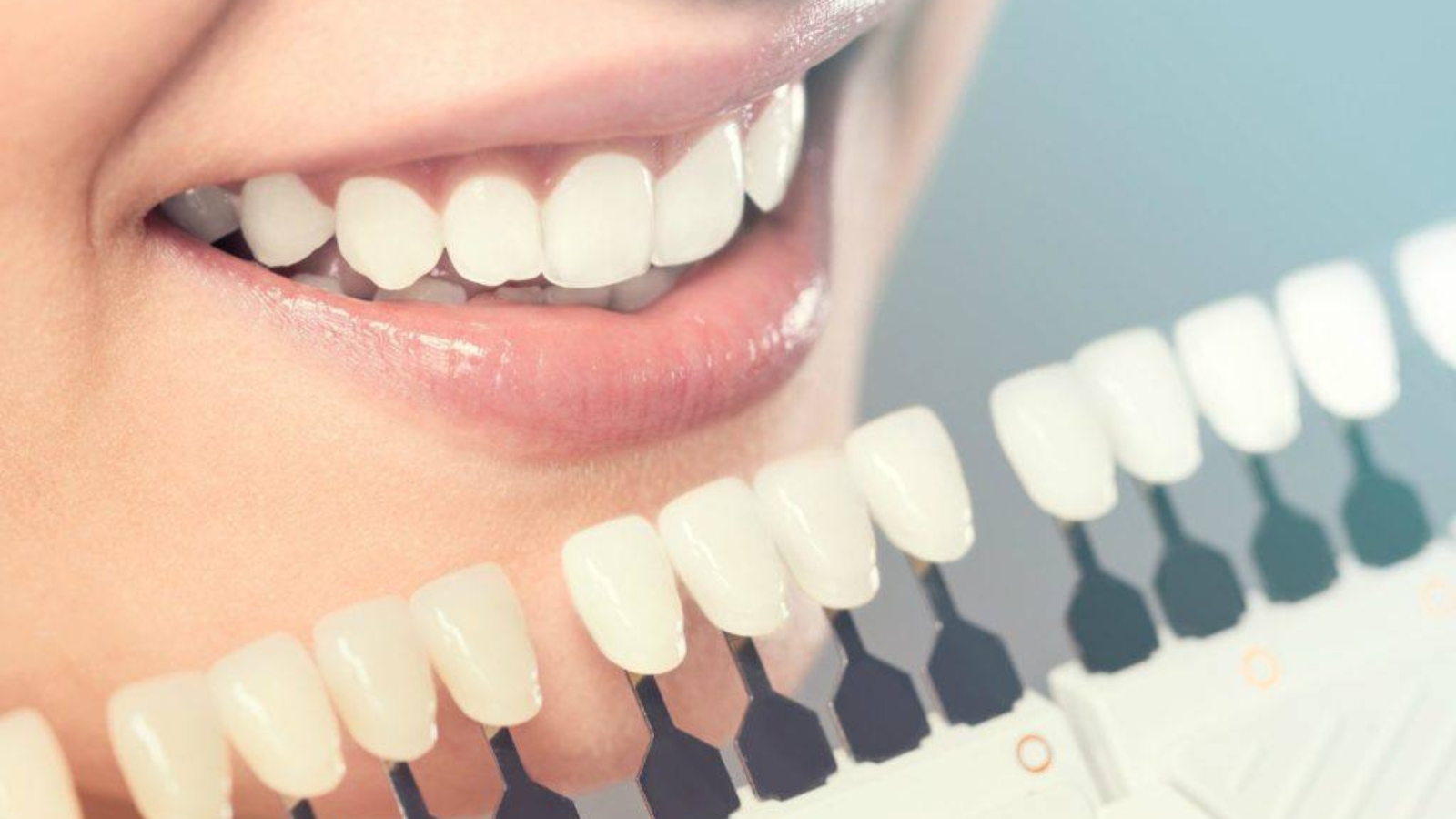
Teeth whitening remains one of the most requested aesthetic procedures, yet it is surrounded by numerous concerns and misconceptions. Professor Alexander von Breuer believes that most fears are related not to the method itself, but to a lack of understanding of the biological mechanisms of enamel lightening and the uncontrolled use of whitening agents without clinical supervision. At DentalClinic24, whitening is regarded as a medical procedure that requires proper diagnostics, an individualised protocol, and careful risk assessment – not a cosmetic manipulation performed without consequences.
A common myth suggests that whitening “destroys” enamel. In reality, modern professional systems work through the controlled release of active oxygen, which penetrates the microstructures of enamel and dentin to oxidise pigment molecules. When performed according to protocol, the structure of hard dental tissues is not damaged. At DentalClinic24, the concentration of the active agent, exposure time, and the condition of enamel are evaluated in advance, preventing aggressive or excessive impact.
Another frequent concern involves increased tooth sensitivity. Indeed, temporary sensitivity to cold or air may occur during the whitening period. However, this is related to changes in enamel permeability rather than structural damage. At DentalClinic24, baseline sensitivity, enamel integrity, and the presence of microcracks are assessed prior to the procedure. If necessary, remineralisation protocols are applied to minimise discomfort and enhance enamel resilience.
Clinical safety in whitening directly depends on proper indications. The procedure is not performed in cases of active caries, gingival inflammation, pronounced enamel erosion, or defective restorations. At DentalClinic24, complete oral sanitation is a mandatory step before any aesthetic intervention. This reduces the risk of complications and ensures uniform, predictable results.
It is equally important to determine the nature of tooth discolouration. Pigmentation may be extrinsic – caused by coffee, tea, or smoking – or intrinsic, associated with medications or developmental disturbances of dental tissues. At DentalClinic24, differential diagnosis of the type of discolouration is conducted, as not all cases respond to standard whitening and some may require alternative aesthetic strategies.
Another myth concerns the need for frequent repetition of the procedure. When whitening is performed correctly and post-treatment recommendations are followed, the result can remain stable for an extended period. At DentalClinic24, patients receive personalised guidance on oral hygiene and dietary habits to prolong the aesthetic effect without subjecting enamel to unnecessary repeated exposure.
Special attention must be given to unsupervised home whitening. The uncontrolled use of products with high concentrations of active agents may cause irritation of soft tissues and uneven lightening. At DentalClinic24, home whitening systems are provided only under professional supervision and with individually fabricated trays, ensuring both safety and predictability.
Professor Alexander von Breuer emphasises that whitening should be part of a comprehensive aesthetic treatment plan rather than an isolated procedure. The harmony of tooth colour must correspond with shape, occlusion, and overall facial perception. At DentalClinic24, aesthetics is approached through the lens of function and biology, allowing for stable, long-term results without compromising tissue health.
Thus, teeth whitening is not a harmful procedure when performed under proper medical control and appropriate indications. The primary risks are associated not with the technology itself, but with protocol violations and the absence of diagnostics. At Dental Clinic24, enamel lightening is carried out with consideration of tissue condition, individual characteristics, and long-term prognosis – ensuring both safety and aesthetic stability.
Previously, we wrote about safe dental protocols for patients with arterial hypertension at DentalClinic24 – clinical blood pressure control and risk minimisation during treatment