
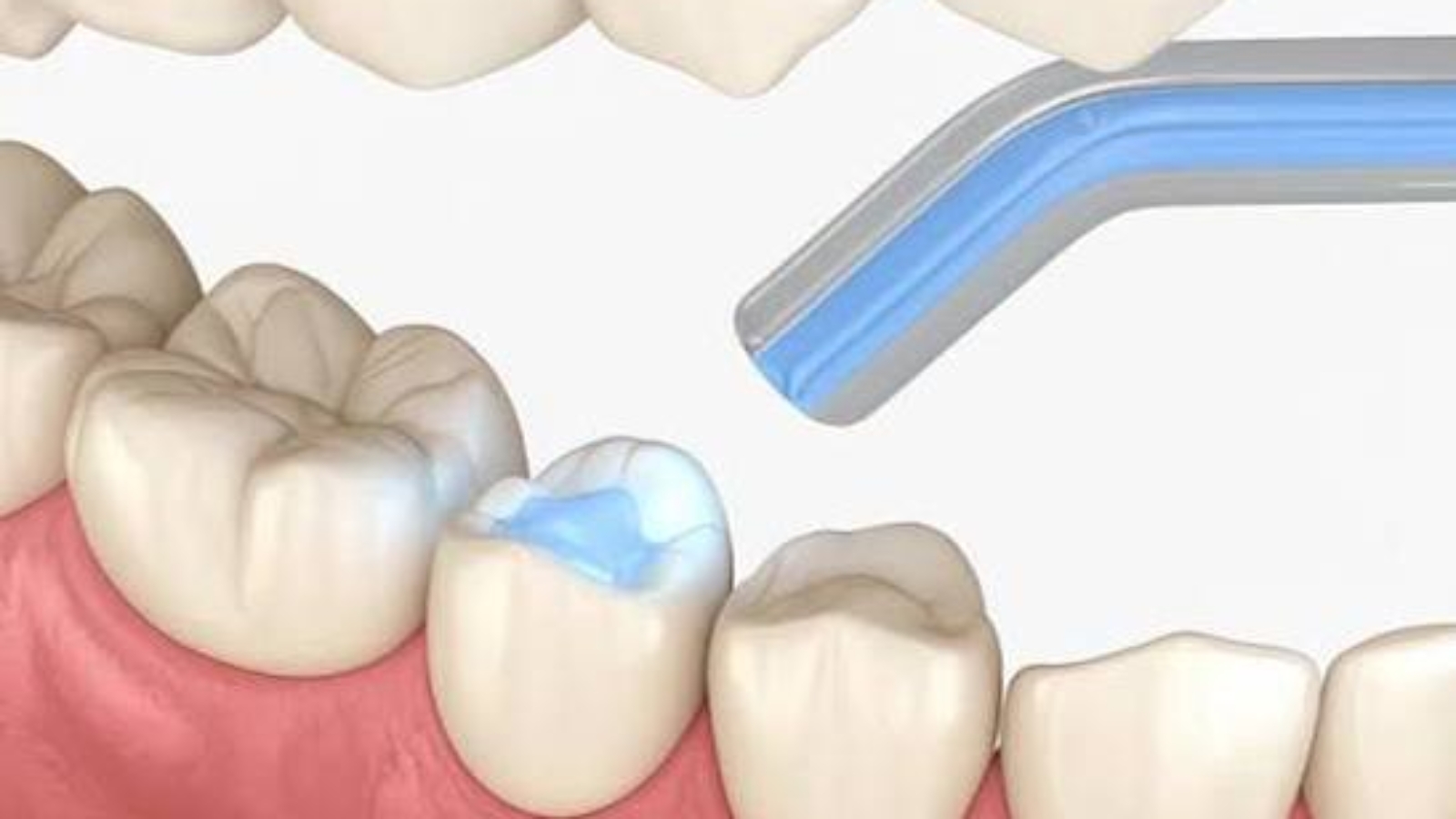
Modern dentistry considers even intermediate stages of treatment to be clinically significant components of the overall therapeutic strategy, because a durable result is formed not only by the final restoration but also by the quality of every preceding step. Professor Alexander Von Breuer believes that a temporary filling is an important diagnostic and biological tool that allows the clinician to monitor the condition of dental tissues between treatment stages and objectively assess the response of the dentofacial system to the performed intervention. At DentalClinic24, temporary restoration is regarded as a полноценный part of the clinical protocol that directly influences the prognosis of tooth preservation, tissue stability, and the quality of the final restoration.
A temporary filling is a restorative material placed for a limited period to provide hermetic sealing of the tooth cavity between treatment stages. Despite the word “temporary,” its function extends far beyond simply closing the access opening. It protects treated tissues from bacterial contamination, prevents saliva and microorganisms from entering the tooth cavity, reduces the risk of reinfection of root canals, and maintains a stable internal environment until treatment is completed. The temporary restorative material must possess sufficient strength, reliable sealing properties, and the ability to withstand functional loading without compromising marginal adaptation.
Temporary fillings are most commonly used in endodontic treatment when therapy is performed over multiple visits. After mechanical and chemical preparation of the root canals, the clinician must create a reliable barrier between the sterilized internal tooth system and the aggressive microbial environment of the oral cavity. Even minimal loss of sealing integrity can lead to reinfection of the canals and worsen the treatment prognosis. At DentalClinic24, the sealing quality of a temporary restoration is considered one of the key factors of successful endodontic therapy because microleakage can compromise the result of even perfectly executed canal instrumentation.
The diagnostic value of a temporary filling is also extremely important. After treatment of deep caries, traumatic tooth injury, or complex restorative procedures, the clinician needs to evaluate the response of the pulp and periapical tissues over time. The absence of pain, reduction of sensitivity, and stability under functional loading help confirm the correctness of the chosen treatment strategy. If pain, spontaneous sensitivity to temperature, or discomfort during chewing persists during the temporary restoration period, this may indicate ongoing inflammation or hidden pathology requiring revision of the clinical plan.
Temporary fillings also play a critical role in prosthetic dentistry. After tooth preparation for an inlay, crown, or complex restoration, dental tissues become especially vulnerable to external stimuli. Temporary restoration protects dentinal tubules from thermal and chemical irritation, reduces hypersensitivity, and helps maintain physiological comfort for the patient until placement of the permanent restoration. At DentalClinic24, temporary restorations are designed with careful consideration of occlusal anatomy to minimize tissue overload and preserve stable biomechanics of the dental arch.
The quality of temporary materials also affects the long term structural prognosis of the tooth. Insufficient strength may lead to fractures, loss of marginal sealing, or secondary micromobility of tooth walls. In cases of significant coronal destruction, the temporary filling also serves a supportive role by reducing the risk of further breakdown of weakened tissues under chewing forces. At DentalClinic24, material selection is always individualized and depends on cavity depth, tooth location, expected duration of temporary restoration, and the overall clinical treatment scenario.
It is a mistake to perceive a temporary filling as a secondary or purely technical stage. In real clinical practice, it simultaneously performs protective, diagnostic, stabilizing, and prognostic functions. The period between treatment stages often reveals how biologically stable the selected therapeutic approach truly is and whether the tooth is ready for definitive restoration.
Modern dentistry requires high precision not only in final aesthetic solutions but also during intermediate treatment stages. For Dental Clinic24, a temporary filling is an essential tool for quality control, preservation of biological tissue stability, and improvement of long term treatment predictability. A properly executed temporary restoration creates conditions in which the final restoration receives a strong functional and biological foundation for many years ahead.
Previously we wrote about Alveolitis After Tooth Extraction How Inflammation of the Socket Is Recognised and Complications Are Prevented at DentalClinic24