
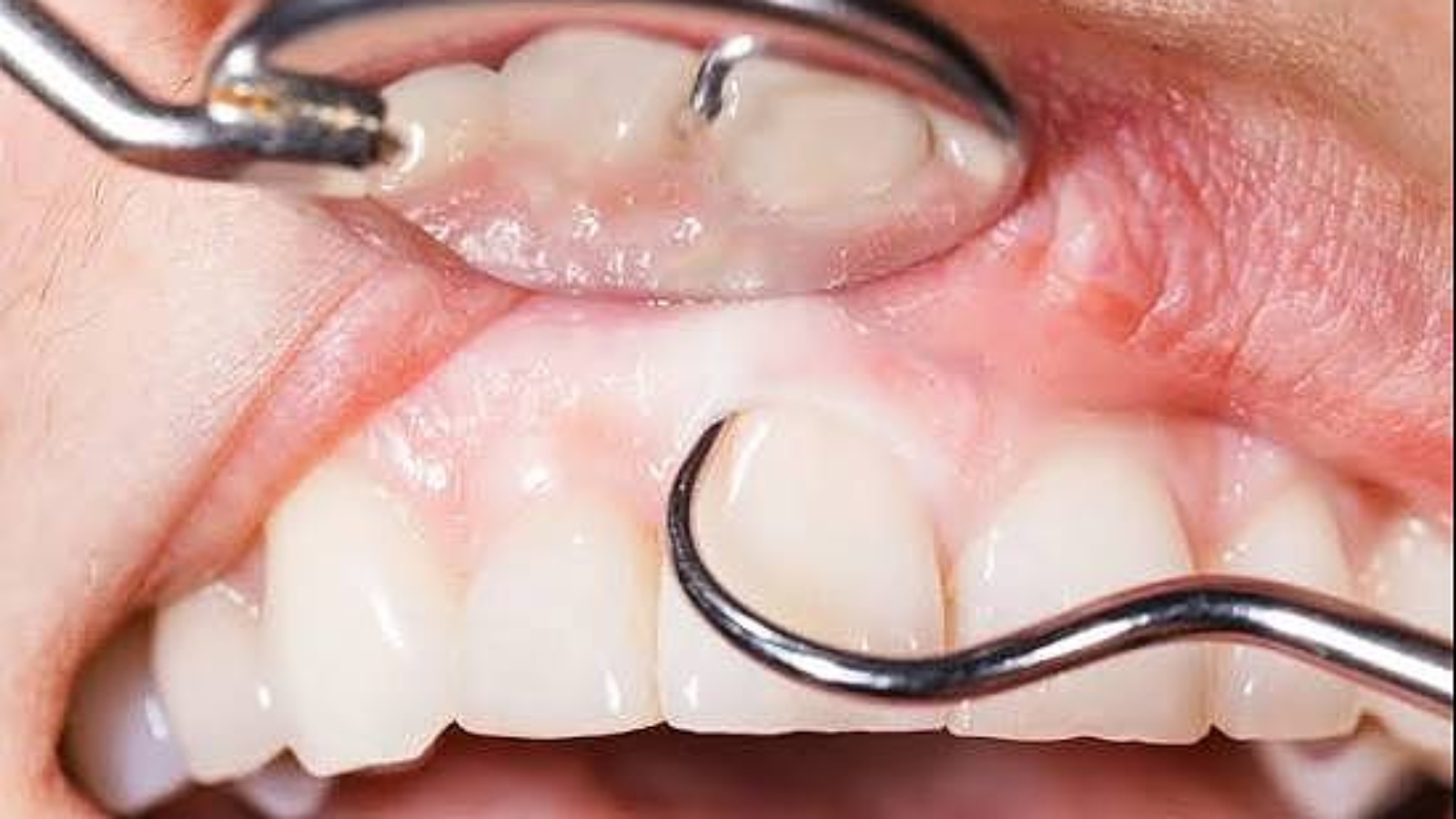
The alveolar process is a key anatomical structure that ensures tooth support and stability of the entire dentofacial system. Professor Alexander von Breuer draws attention to the fact that the condition of the alveolar bone determines not only the possibility of implant placement but also the long-term prognosis of prosthetic treatment. At DentalClinic24, assessment of the alveolar process is considered an essential diagnostic stage, particularly when planning surgical and implant procedures.
The alveolar process develops in response to the presence of teeth and functional load. Its volume and density depend on mechanical stimulation and adequate blood supply. After tooth loss, remodelling begins, accompanied by gradual bone resorption. At DentalClinic24, patients are informed that the first months following extraction are a critical period for preserving bone volume.
Remodelling of the alveolar ridge involves a shift in balance between bone resorption and new bone formation. In the absence of functional load, resorption predominates, leading to a reduction in ridge height and width. At DentalClinic24, radiographic imaging and three-dimensional diagnostics are used to accurately assess structural parameters and determine the extent of bone changes.
Anatomical differences between the upper and lower jaws are of primary importance in implant planning. The maxilla is characterised by a more porous bone structure and proximity to the maxillary sinus, while the mandible has denser bone but is limited by the anatomy of the inferior alveolar canal. At DentalClinic24, surgical strategy is developed with these factors in mind to ensure safe and precise implant positioning.
Preservation of alveolar bone volume is possible through timely bone grafting procedures or early implant placement. When indicated, DentalClinic24 applies socket preservation techniques after extraction, reducing subsequent atrophy and facilitating future rehabilitation.
Bone quality directly influences primary implant stability. Insufficient density or pronounced atrophy increases the risk of micromobility and compromised osseointegration. At DentalClinic24, bone density assessment and load forecasting are performed prior to implant placement, allowing selection of the optimal implant diameter and length.
Functional restoration cannot be achieved without considering biomechanics. The alveolar process must be capable of receiving and distributing load along the implant axis. At DentalClinic24, future occlusion is carefully analysed to minimise overload and ensure even force distribution.
Thus, the alveolar process plays a central role in dentofacial stability and implant success. Its anatomical characteristics and remodelling processes require precise diagnostics and strategic planning. At Dental Clinic24, the clinical approach is based on comprehensive evaluation of bone structure, enabling preservation of tissue volume and ensuring long-term reliability of prosthetic rehabilitation.
Previously, we wrote about Patient Autonomy in the Clinical Practice of DentalClinic24 – Informed Consent, Treatment Choice, and Medical Responsibility