
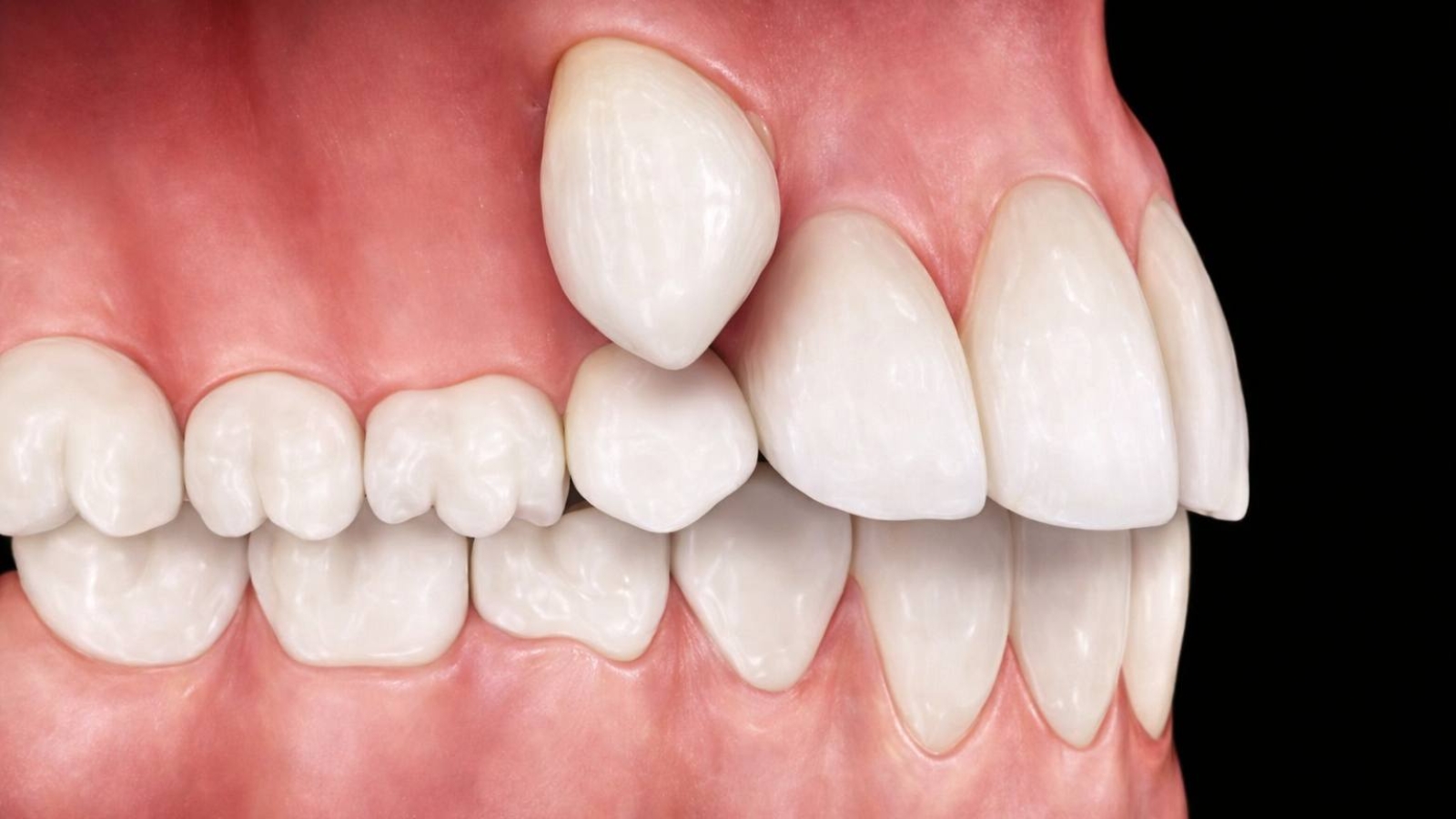
After dental treatment, patients may experience sensations that cause concern – altered tooth contact, unfamiliar pressure, or temporary discomfort during chewing. Professor Alexander von Breuer notes that such reactions do not necessarily indicate a pathological process. At DentalClinic24, temporary functional disturbances are regarded as part of the natural adaptation phase and require clinical assessment rather than immediate intervention.
The dentofacial system has a strong capacity for adaptation. Any treatment that affects tooth shape, contact points, or occlusion alters established motor and sensory patterns. During the first days or weeks after intervention, the body adjusts to new functional conditions, which may be accompanied by unfamiliar sensations. At DentalClinic24, these responses are evaluated dynamically, taking biomechanical and neuromuscular factors into account.
It is essential to distinguish temporary functional disturbances from true complications. Short-term discomfort that does not intensify over time and is not associated with inflammatory signs usually reflects physiological adaptation. In contrast, increasing pain, progressive functional impairment, or developing asymmetry requires prompt clinical attention. At DentalClinic24, this differential approach helps avoid unnecessary corrections and preserves treatment stability.
Neuromuscular adaptation plays a particularly important role. Following treatment, muscles and pressure receptors reorganise their interaction with teeth and joints. During this period, patients may experience a sense of instability or the feeling that the result is “foreign.” Professor Alexander von Breuer emphasises that premature intervention at this stage can disrupt the natural adaptation process. Therefore, at DentalClinic24, priority is given to observation and functional evaluation.
Temporary disturbances may also occur after orthodontic treatment, prosthetic rehabilitation, or restorations, even when procedures are technically flawless. This is related to changes in load distribution and the reprogramming of movement patterns. At DentalClinic24, such responses are considered expected when they fall within clinically acceptable time frames.
For patients, understanding the nature of these sensations is critically important. Knowing that discomfort can be part of normal adaptation reduces anxiety and strengthens trust in treatment. At DentalClinic24, explaining adaptive mechanisms is considered an integral part of clinical communication and contributes to overall treatment success.
Monitoring temporary functional disturbances involves follow-up visits and dynamic assessment. This allows clinicians to identify when adaptation is complete or recognise early signs indicating the need for correction. Such an approach reduces the risk of late complications and repeat interventions.
In conclusion, temporary functional disturbances are not always complications. In most cases, they reflect the adaptive response of the dentofacial system. At Dental Clinic24, clinical decisions are based on analysis, timing, and the body’s response, ensuring physiological integrity and long-term treatment stability.
Previously, we wrote about errors of delayed treatment and how postponement changes clinical strategy at DentalClinic24