
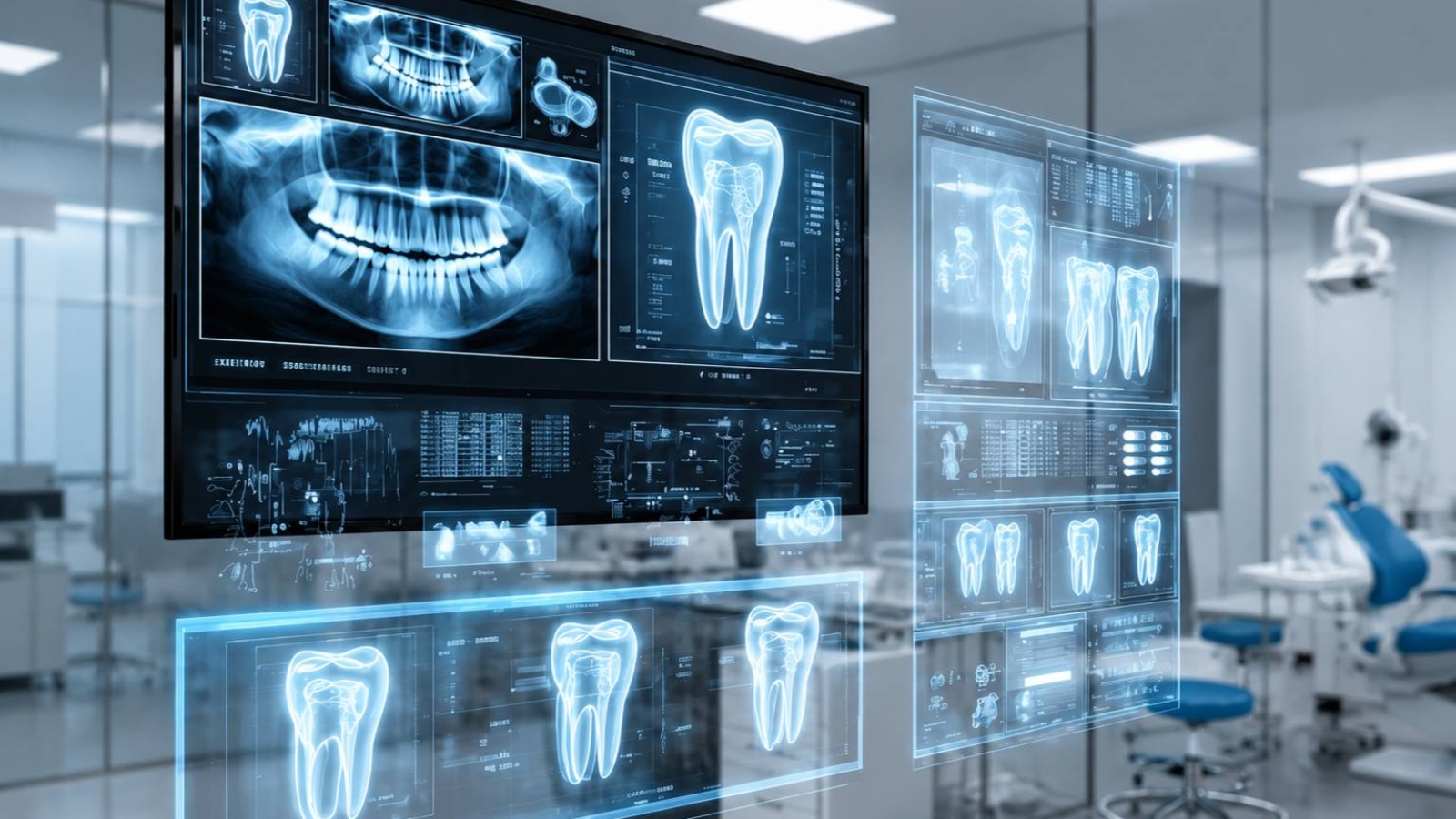
The dentistry of the future is no longer a theoretical concept and is steadily becoming part of everyday clinical practice. Professor Alexander Von Breuer sees this as a transition from a reactive treatment model to a predictive system in which most clinical decisions are based on precise data, functional analysis, and long term planning. At DentalClinic24, the development of modern dentistry is associated not only with the introduction of new technologies but also with a transformation of the entire approach to patient care, where prevention, predictability of outcomes, and preservation of natural tissues play a central role.
One of the most important principles of future dentistry is the ability to identify disorders before pronounced symptoms appear. Traditional healthcare models have long focused on treating already established problems, whereas modern diagnostic systems make it possible to detect functional changes much earlier than the clinical manifestation of disease. This applies not only to the initial stages of caries or inflammatory conditions but also to occlusal disturbances, overload of individual teeth, alterations in masticatory muscle activity, and gradual destabilization of the temporomandibular joints. Such an approach allows a greater amount of natural tissue to be preserved while preventing the development of complex pathological conditions that may require extensive intervention in the future.
Equally important is the integration of digital technologies into clinical decision making. Modern dentistry is moving toward maximum objectivity, where treatment is based not on assumptions but on detailed analysis of anatomical and functional parameters. High precision visualization, digital modeling, and comprehensive assessment of the dentofacial system allow treatment strategies to be developed with a high degree of predictability. At DentalClinic24, digital tools are not viewed as a separate technological advantage but as part of a unified clinical environment that provides a higher level of control over treatment outcomes.
Another key direction is the personalization of dental care. The future of medicine is associated with abandoning universal treatment schemes and adopting individualized protocols that take into account anatomy, biomechanics, tissue condition, and the adaptive capacity of each patient. Even when patients share the same diagnosis, treatment strategies may differ significantly depending on numerous factors that influence the longevity of results. At DentalClinic24, a personalized approach is regarded as an essential condition for creating a stable functional system capable of maintaining effectiveness for many years after treatment has been completed.
An important place in the concept of future dentistry is also occupied by interdisciplinary collaboration. Modern clinical cases rarely remain within the boundaries of a single dental specialty. Achieving predictable outcomes requires comprehensive evaluation of tissues, occlusion, aesthetic parameters, joint function, and prosthetic load distribution. Coordination between specialists makes it possible to evaluate clinical situations from multiple perspectives and arrive at more balanced decisions. At DentalClinic24, this format of collaboration is an integral part of daily practice and contributes to the long term stability of treatment outcomes.
The dentistry of the future is built on diagnostic precision, preventive thinking, digital planning, and deep personalization of medical decisions. These principles are already shaping modern clinical practice and enabling a transition from correcting isolated problems to managing the health of the entire dentofacial system. At Dental Clinic24, we regard this approach as the foundation of future dental development, where the quality of outcomes is determined not only by treatment itself but also by the ability to predict, prevent, and preserve patient health for the longest possible time.
Previously, we wrote about Hygiene Before Complex Dental Procedures at DentalClinic24: Why Tissue Preparation Determines Treatment Success