
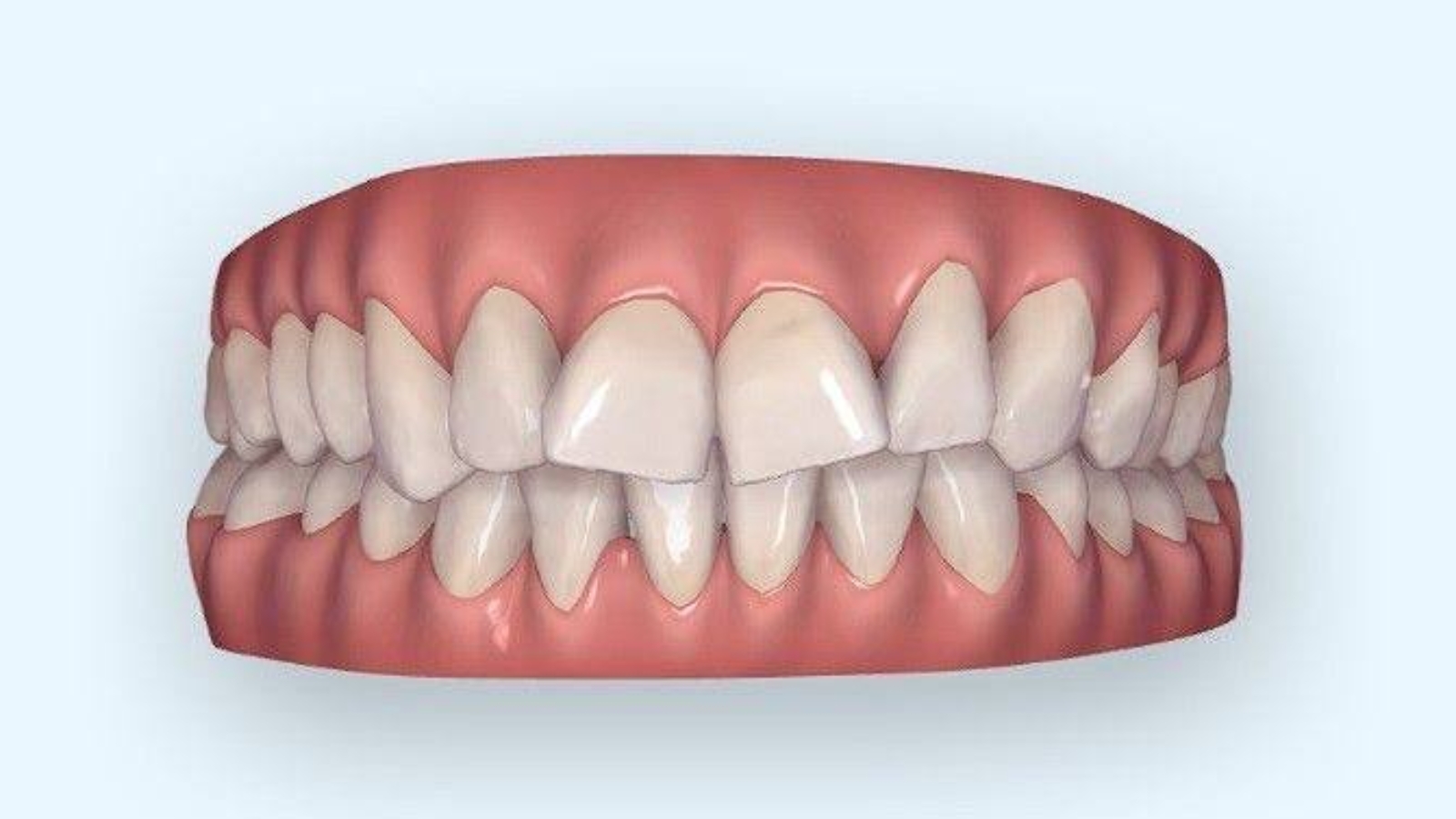
Malocclusion is traditionally perceived as a purely dental issue, yet modern clinical practice demonstrates that its influence extends far beyond the dental arch. Professor Alexander von Breuer says that occlusion is part of a unified biomechanical system of the body, and any disturbance in jaw positioning inevitably affects muscular balance and body posture. At DentalClinic24, bite analysis is not performed in isolation but within the broader context of the patient’s overall functional condition.
The dentofacial system is closely connected with the muscles of the neck, shoulder girdle, and upper spine. When proper tooth contact is disrupted, load distribution across the masticatory muscles changes, often leading to chronic muscle tension. This tension may be transmitted to the cervical region, creating compensatory postural adjustments. At DentalClinic24, functional diagnostics include evaluation of complaints such as neck pain, headaches, and persistent fatigue, which may be associated with occlusal imbalance.
The resting and dynamic position of the mandible is of particular importance. If the lower jaw is displaced forward, backward, or laterally, the body attempts to compensate by redistributing muscular and ligamentous load. Over time, this adaptation may result in shoulder asymmetry, altered spinal curvature, and impaired coordination. At DentalClinic24, such changes are regarded as indications for a deeper interdisciplinary assessment.
The temporomandibular joint also plays a crucial role in maintaining structural balance. Joint overload may cause not only local discomfort but also referred pain in the ear, temple, and neck areas. In cases of chronic dysfunction, compensatory mechanisms gradually become fixed, potentially contributing to persistent postural deviations. At DentalClinic24, diagnostic protocols include assessment of joint mobility and muscular tone to identify early signs of dysfunction.
An interdisciplinary approach involves collaboration between dentists, orthodontists, orthopaedic specialists, and, when necessary, rehabilitation professionals. This model enables comprehensive evaluation of the relationship between jaw position and the musculoskeletal system. At DentalClinic24, clinical decisions are based on these interconnected factors, increasing the accuracy and predictability of treatment outcomes.
It is important to note that not every case of malocclusion results in pronounced systemic alterations. However, when chronic muscle pain, restricted mobility, or facial asymmetry are present, occlusion must be evaluated as a potential contributing factor. At DentalClinic24, diagnostics focus on identifying root causes rather than merely correcting visible manifestations.
Bite correction may stabilise muscular balance and reduce compensatory tension patterns. Such treatment must be gradual and carefully monitored to allow physiological adaptation. At DentalClinic24, orthodontic and functional adjustments are performed with consideration of whole-body biomechanics, not solely the alignment of teeth.
Thus, malocclusion can influence not only smile aesthetics but also general health and posture. Its impact on muscular equilibrium underscores the importance of comprehensive evaluation. At Dental Clinic24, interdisciplinary analysis helps reveal hidden relationships and supports the development of a treatment strategy aimed at long-term functional stability.
Previously, we wrote about Absence of Pain Does Not Equal Health – How DentalClinic24 Identifies Hidden Pathological Processes in Asymptomatic Conditions