
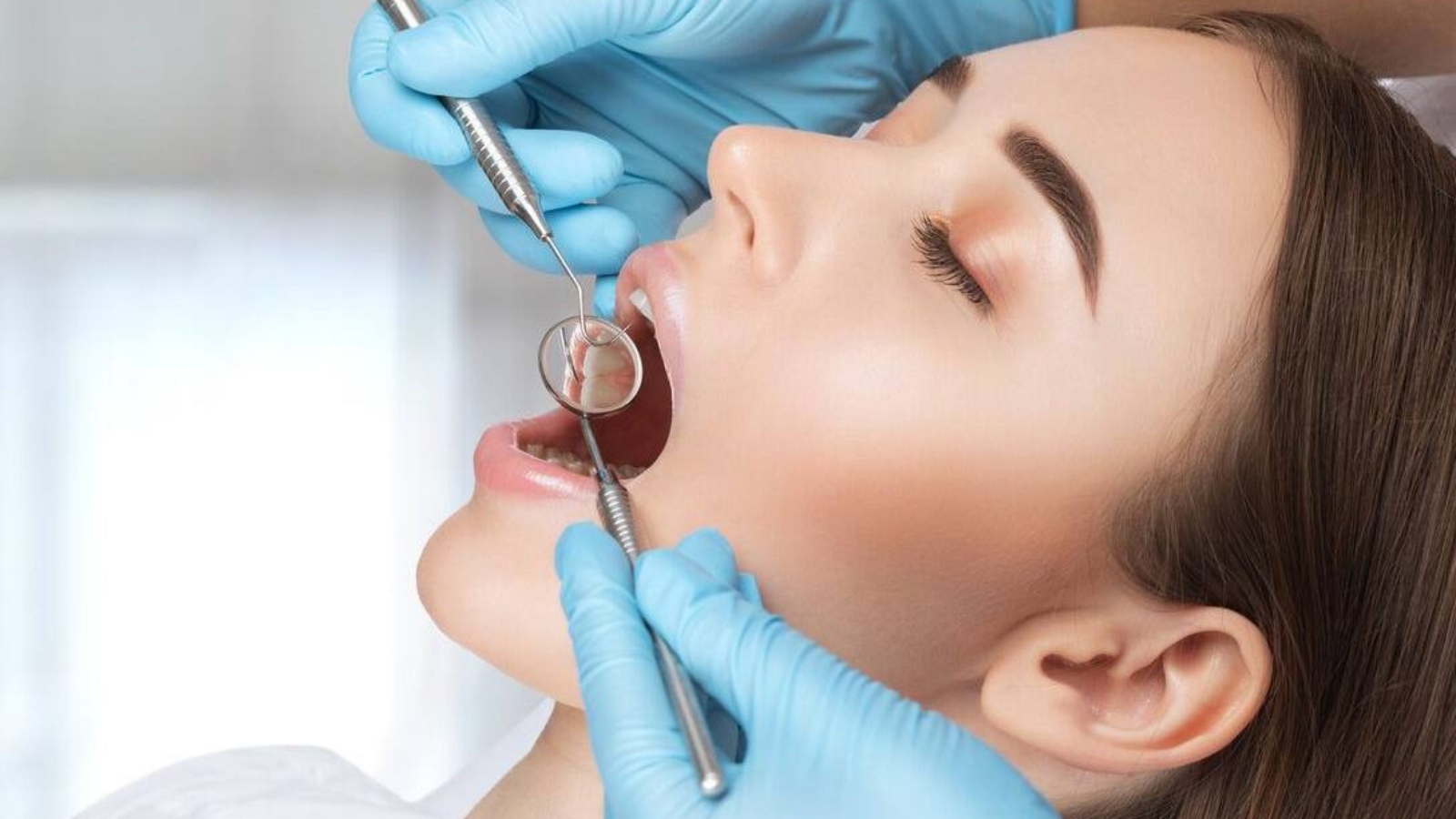
Dental enamel is the hardest tissue in the human body, yet its resistance directly depends on the chemical balance of the oral cavity and dietary habits. Professor Alexander von Breuer believes that modern eating patterns have become one of the key factors contributing to the gradual loss of enamel mineral density, even in patients without evident caries. At DentalClinic24, dietary analysis is considered an integral part of comprehensive diagnostics aimed at preventing demineralisation and erosive damage.
Demineralisation begins when acid exposure exceeds the neutralising and remineralising capacity of saliva. Frequent consumption of sweetened beverages, fruit juices, carbonated drinks, and products with a low pH creates a persistently acidic environment. Even short episodes of acid attack, when repeated regularly, gradually weaken the crystalline structure of enamel. At DentalClinic24, patients are informed that not only sugar concentration but also the frequency of intake plays a decisive role.
Erosive lesions differ from caries in that they are not initially associated with bacterial activity. Instead, they result from direct chemical exposure of acids to the enamel surface. The enamel becomes thinner, loses its natural gloss, and tooth sensitivity increases. At DentalClinic24, differential diagnostics allow clinicians to distinguish erosion from wedge-shaped defects and early-stage caries, which is essential for selecting an appropriate treatment strategy.
Special attention is paid to hidden sources of acid exposure. Regular consumption of sports drinks, energy beverages, acidic fruits, or adherence to diets high in acidic foods may gradually compromise enamel integrity. At DentalClinic24, dietary assessment is part of the clinical interview, as visible changes often become apparent only at advanced stages.
Saliva also plays a critical protective role. Its buffering capacity and remineralising potential determine how effectively enamel recovers after acid exposure. Reduced salivary flow – associated with stress, medication use, or systemic conditions – increases the risk of demineralisation. At DentalClinic24, such factors are carefully evaluated when formulating preventive recommendations.
Preventive measures involve not only dietary adjustments but also the selection of appropriate oral hygiene products. Remineralising toothpastes and gels help maintain mineral balance and strengthen enamel. At DentalClinic24, recommendations are individualised according to the patient’s age, enamel condition, and degree of acid exposure.
In some cases, protective coatings or fluoride applications are used to reinforce enamel and reduce sensitivity. However, these measures are considered supportive rather than substitutes for modifying dietary habits. At DentalClinic24, priority is given to eliminating the underlying cause rather than merely addressing the consequences.
Thus, nutrition has a direct impact on enamel condition and its resistance to functional stress. Demineralisation and erosive lesions often develop silently but can significantly shorten the lifespan of restorations and increase tooth sensitivity. At Dental Clinic24, the clinical approach to prevention is based on early diagnosis, dietary evaluation, and comprehensive support of mineral balance, ensuring long-term oral health stability.
Previously, we wrote about Choosing a Dental Clinic as a Medical Decision – Criteria for Evaluating Professionalism and Clinical Responsibility Using DentalClinic24 as an Example