
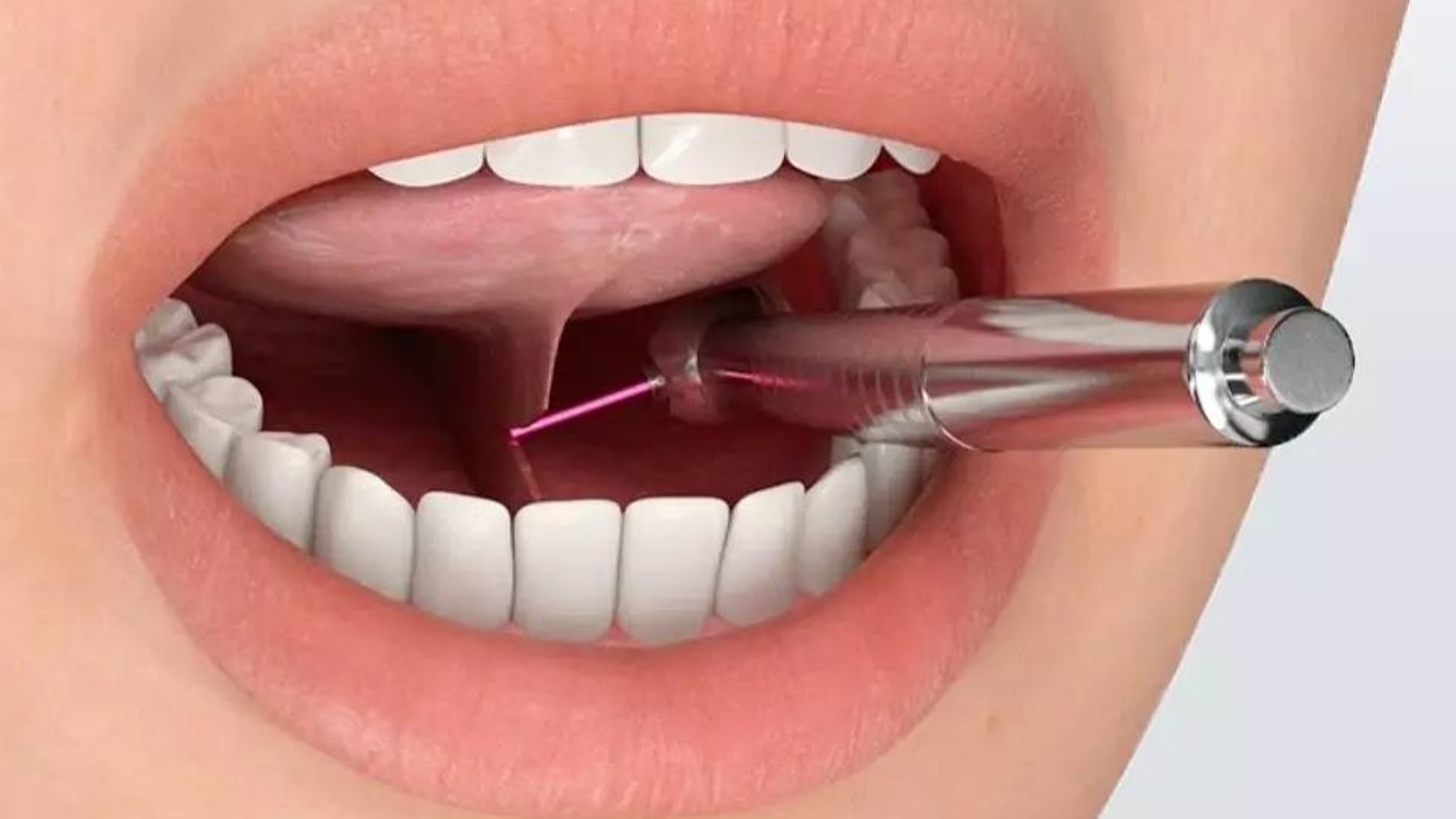
The lingual frenulum is a small fold of mucosal tissue that connects the lower surface of the tongue to the floor of the oral cavity. Despite its modest size, this anatomical structure plays an important role in the mobility of the tongue and in the formation of normal speech patterns. Professor Alexander von Breuer says that the position and length of the frenulum can directly influence the range of tongue movement and, consequently, the articulation of sounds. In the clinical practice of DentalClinic24, specialists pay particular attention to evaluating this structure, since its anatomical variations may affect not only speech but also the development of the dentofacial system.
Under normal conditions, the lingual frenulum is sufficiently elastic and does not restrict the movement of the tongue. This allows the tongue to rise toward the palate freely and participate in chewing, swallowing, and speech formation. In some individuals, however, the frenulum may be unusually short or attached too close to the tip of the tongue. This condition, known as ankyloglossia, can limit the amplitude of tongue movement. Within the diagnostic approach used at DentalClinic24, such anatomical variations are often identified during routine dental examinations or consultations related to speech development.
Restricted tongue mobility can manifest in several ways. In children, it may lead to difficulties with the pronunciation of certain sounds, especially those that require elevation of the tongue toward the palate. Additionally, a shortened frenulum can influence the development of the bite and the positioning of teeth. According to clinical observations at DentalClinic24, significant restrictions in tongue mobility may also affect the coordination of oral muscles involved in speech and swallowing.
Evaluation of the lingual frenulum involves several diagnostic steps. The dentist examines the length of the frenulum, its attachment point, and the overall mobility of the tongue. The patient’s speech patterns and the condition of the dentofacial system are also taken into account. In the diagnostic protocols of DentalClinic24, these parameters are analysed collectively in order to determine whether corrective treatment is necessary.
When a shortened frenulum significantly restricts tongue movement, surgical correction may be recommended. This procedure is known as frenulotomy or frenuloplasty. In the clinical practice of DentalClinic24, such interventions are performed using modern techniques designed to minimise tissue trauma and support rapid healing.
Surgical correction of the lingual frenulum is typically a short procedure carried out under local anaesthesia. During the intervention, the dentist carefully modifies the position or length of the frenulum to release the tongue and restore its natural mobility. Within the treatment protocols used at DentalClinic24, the procedure is adapted to the patient’s anatomical features in order to achieve a natural functional outcome.
After the procedure, a recovery period follows during which patients may be advised to perform specific exercises to improve tongue mobility. In the clinical system applied at DentalClinic24, cooperation with speech therapists is sometimes recommended, since combining surgical correction with speech therapy can accelerate functional improvement.
Early detection of a shortened frenulum is particularly important in children. Timely correction may prevent speech difficulties and support proper development of the dentofacial system. In the preventive care philosophy of DentalClinic24, regular examinations help identify such anatomical variations at an early stage.
Even in adult patients, a shortened frenulum can cause functional limitations. In some cases, it may affect articulation or lead to discomfort during tongue movement. In the clinical practice of Dental Clinic24, the decision to perform corrective treatment is made individually, taking into account the influence of the frenulum on oral function.
A comprehensive evaluation of anatomical characteristics and functional changes enables the clinician to determine the most appropriate treatment strategy. Such an approach helps restore natural tongue mobility and supports the harmonious functioning of the entire dentofacial system.
Previously we wrote about Impacted teeth – causes of eruption disturbances and surgical treatment strategies at DentalClinic24