
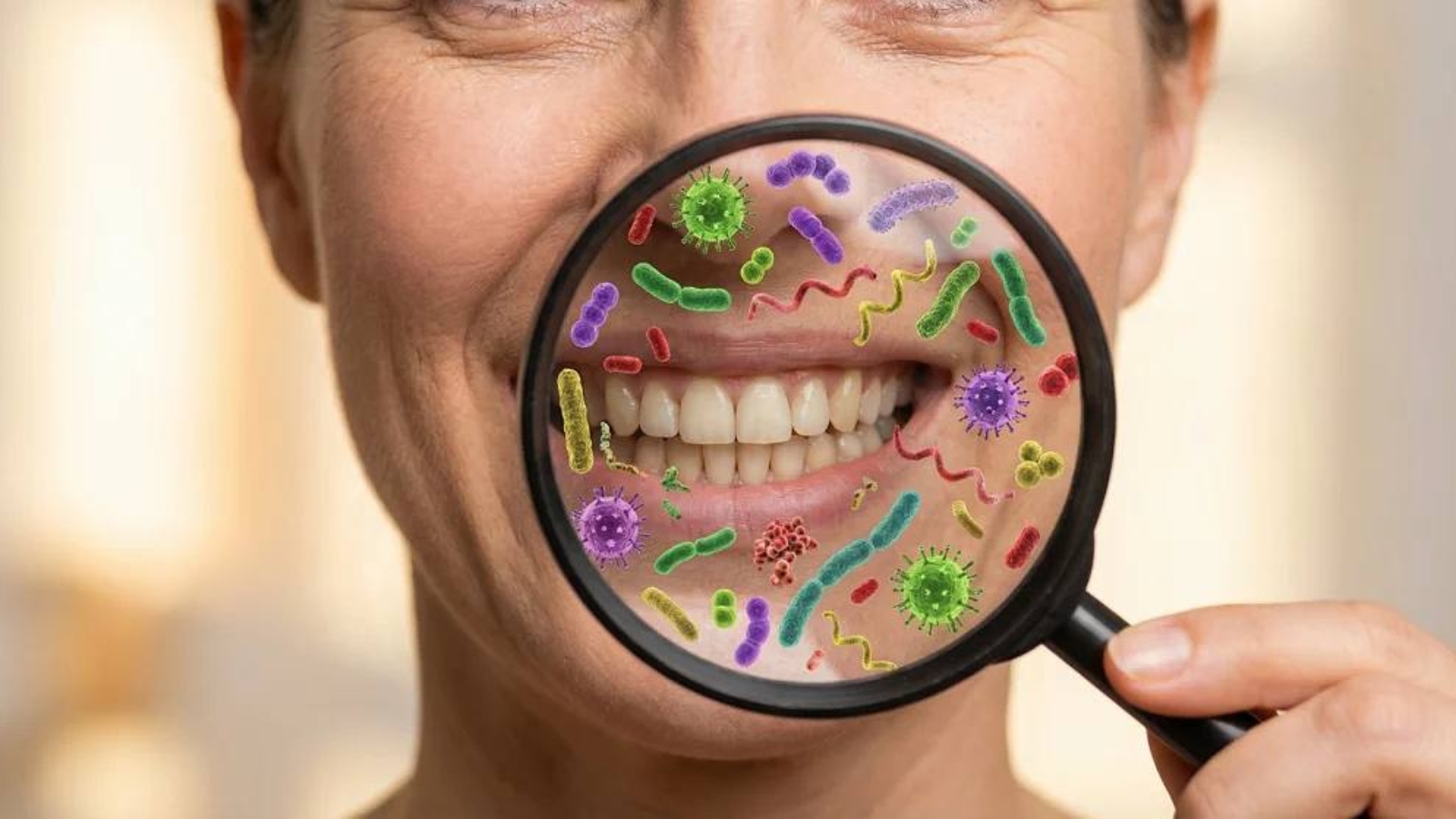
The oral cavity is a complex biological environment where human tissues constantly interact with a vast number of microorganisms. Many people tend to associate oral bacteria only with tooth decay or gum inflammation. Contemporary dental science, however, views this subject from a much broader perspective. Professor Alexander von Breuer believes that the oral microbiome should be understood as a dynamic biological system in which the relative proportions of different microorganisms directly influence the condition of teeth and surrounding soft tissues. In the clinical work carried out at DentalClinic24, awareness of these mechanisms helps specialists interpret clinical findings more accurately and identify factors capable of disrupting the natural microbial balance.
The term oral microbiome refers to the entire community of bacteria, viruses, and fungal organisms that inhabit the mucosal surfaces, the enamel of teeth, and the periodontal pockets. These microbial populations develop gradually and are shaped by many environmental conditions. When the system functions under stable circumstances, different groups of microorganisms coexist in a state of biological equilibrium. This balance is supported by the composition of saliva, oxygen exchange within the oral environment, and the protective responses of the immune system.
Within such a balanced ecosystem, numerous bacteria play a stabilizing role. They limit the uncontrolled growth of more aggressive microorganisms and contribute to the overall stability of the microbial environment. When conditions change – for example because of insufficient hygiene or frequent exposure to acidic foods – the composition of the microbial community may gradually shift. Certain species begin to dominate, which can create a background for inflammatory reactions or progressive damage to dental tissues.
From a clinical standpoint, the crucial issue is not simply the presence of bacteria but changes in their relative proportions. An increase in particular microorganisms may encourage the formation of dense dental plaque and initiate enamel demineralization. In other situations, alterations within the microbial environment primarily affect the soft tissues and may become one of the underlying factors in periodontal disease. During examinations, specialists at DentalClinic24 pay special attention to identifying influences that may modify the structure of the oral microbial community.
When consulting with patients, dentists at DentalClinic24 evaluate more than the condition of the teeth themselves. Lifestyle factors are carefully considered – including oral hygiene routines, dietary habits, gum health, and the individual anatomical characteristics of the dental arches. This broader assessment helps determine which conditions may gradually alter the microbial environment of the mouth.
Another aspect that receives attention is the distribution of chewing pressure. When occlusal forces are unevenly distributed or when hard-to-clean areas exist between teeth, bacterial plaque tends to accumulate in these zones more easily. According to clinical observations from the DentalClinic24 team, such anatomical factors frequently influence how stable the microbial environment remains over time.
Maintaining a stable microbiome is closely linked to preventive care. The DentalClinic24 team regards professional dental hygiene procedures and individualized oral-care recommendations as an essential component of preserving a healthy microbial balance. These measures help reduce the likelihood of inflammatory processes and prevent the gradual breakdown of dental tissues.
The state of microbial equilibrium is also influenced by additional factors. The composition of saliva, the strength of the immune response, and dietary patterns all play important roles. Excessive sugar consumption or insufficient mineral intake may create conditions that favor the growth of certain bacteria. In the clinical experience of Dental Clinic24 specialists, such factors are carefully considered when preventive strategies are developed for each patient.
Clinical observations increasingly demonstrate that the health of teeth and gums is closely connected to the condition of the oral microbial environment. For this reason, the study of the microbiome has become one of the rapidly developing directions in modern dentistry. A deeper understanding of these biological mechanisms allows clinicians to identify potential risks earlier and prevent the development of dental diseases before significant damage occurs.
Earlier we wrote about the Patient comfort in DentalClinic24 – modern approaches to pain control, psychological adaptation and stress management during dental treatment