
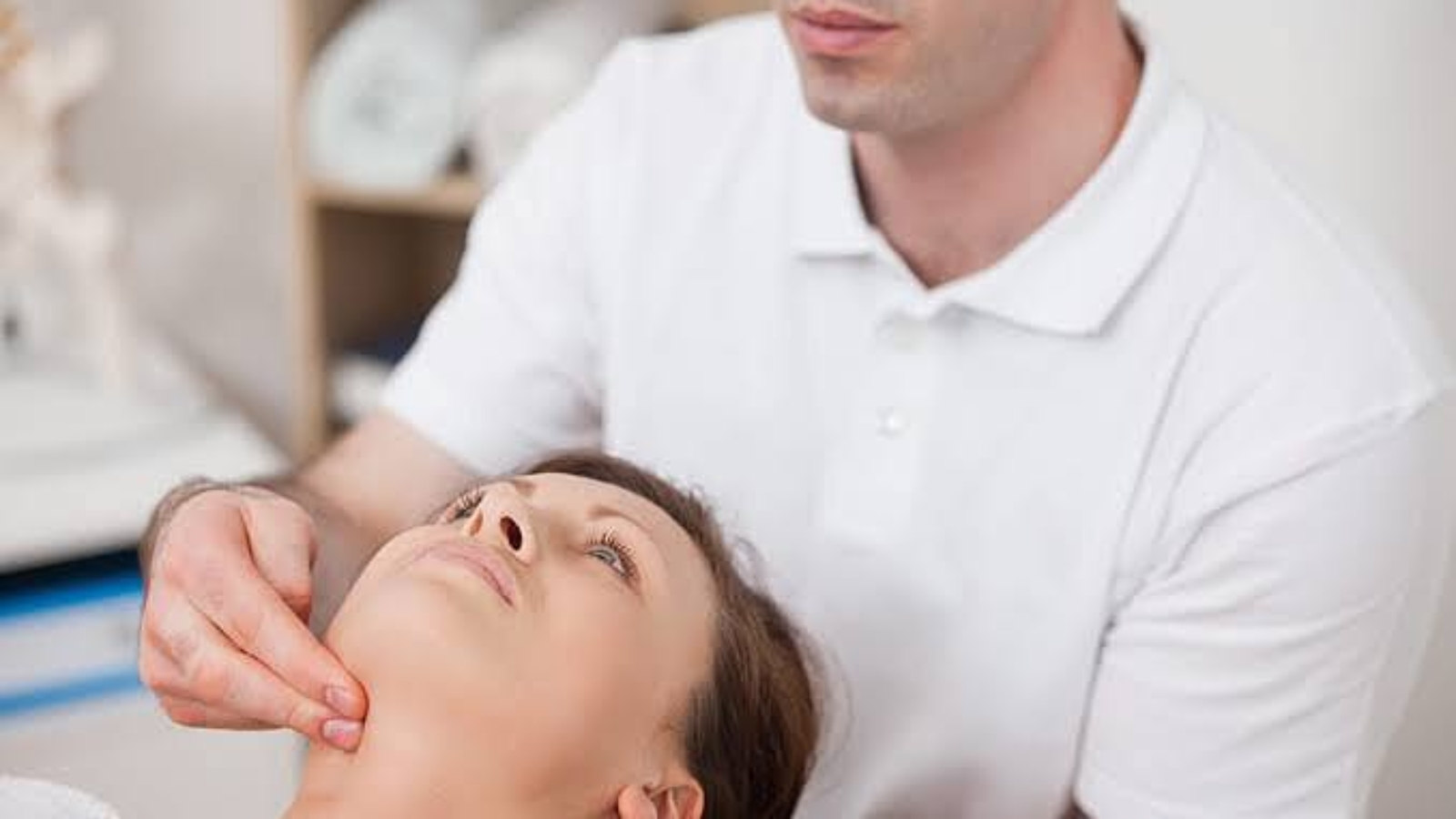
Modern dentistry is increasingly moving beyond isolated work on teeth and taking into account the condition of the entire musculoskeletal system. Professor Alexander von Breuer says that adaptation after dental treatment largely depends on the balance of muscles, joints, and ligaments, not only on the quality of restorations or prosthetic structures. At DentalClinic24, the osteopathic approach is regarded as an important component of comprehensive clinical analysis.
The dentofacial system is closely connected with the position of the head, the cervical spine, and the shoulder girdle. Changes in the bite, occlusal height, or the position of individual teeth can influence the distribution of muscular tension throughout the body. At DentalClinic24, these interconnections are taken into account when planning treatment, especially in cases of complex prosthetic or orthodontic rehabilitation.
After dental intervention, the body enters a phase of adaptation. During this period, patients may experience unusual tension, muscle fatigue, or changes in chewing function. From an osteopathic perspective, this is not always a complication but often reflects the reorganization of neuromuscular connections. At DentalClinic24, such conditions are analyzed in the context of overall musculoskeletal adaptation.
The osteopathic approach is particularly important when treating patients with chronic dysfunctions – pain in the temporomandibular joint, neck, or back. Even perfectly executed dental work can cause discomfort if the initial muscular imbalance is not taken into account. At DentalClinic24, assessment of functional status helps reduce the risk of such reactions.
The muscular system plays a key role in stabilizing the bite. When muscles are chronically tense or function asymmetrically, this can lead to overload of individual teeth and restorations. At DentalClinic24, osteopathic analysis is used to identify these factors and adjust the treatment strategy accordingly.
Professor Alexander von Breuer emphasizes that the clinician’s task is not only to restore anatomy but also to create conditions for harmonious function of the entire system. This is especially important when changing bite height or after extensive reconstructions, when the body needs time and support to adapt.
The osteopathic approach also influences treatment prognosis. When musculoskeletal balance is restored or properly considered, the risk of secondary overloads, pain syndromes, and repeat interventions is reduced. At DentalClinic24, this approach helps improve the stability of results and enhance the patient’s overall well-being.
For patients, this means a gentler adaptation process and a better understanding of what happens after treatment. At DentalClinic24, we consider it important to explain that post-treatment sensations are related not only to the teeth but to the function of the entire body.
Thus, the osteopathic approach in dentistry complements traditional treatment methods and expands the clinician’s perspective. Consideration of musculoskeletal balance allows Dental Clinic24 to build treatment strategies focused not only on local outcomes but also on long-term functional stability.
Previously, we wrote about ozone therapy in dentistry at DentalClinic24 and the possibilities and limitations of this method in the treatment and prevention of inflammation