
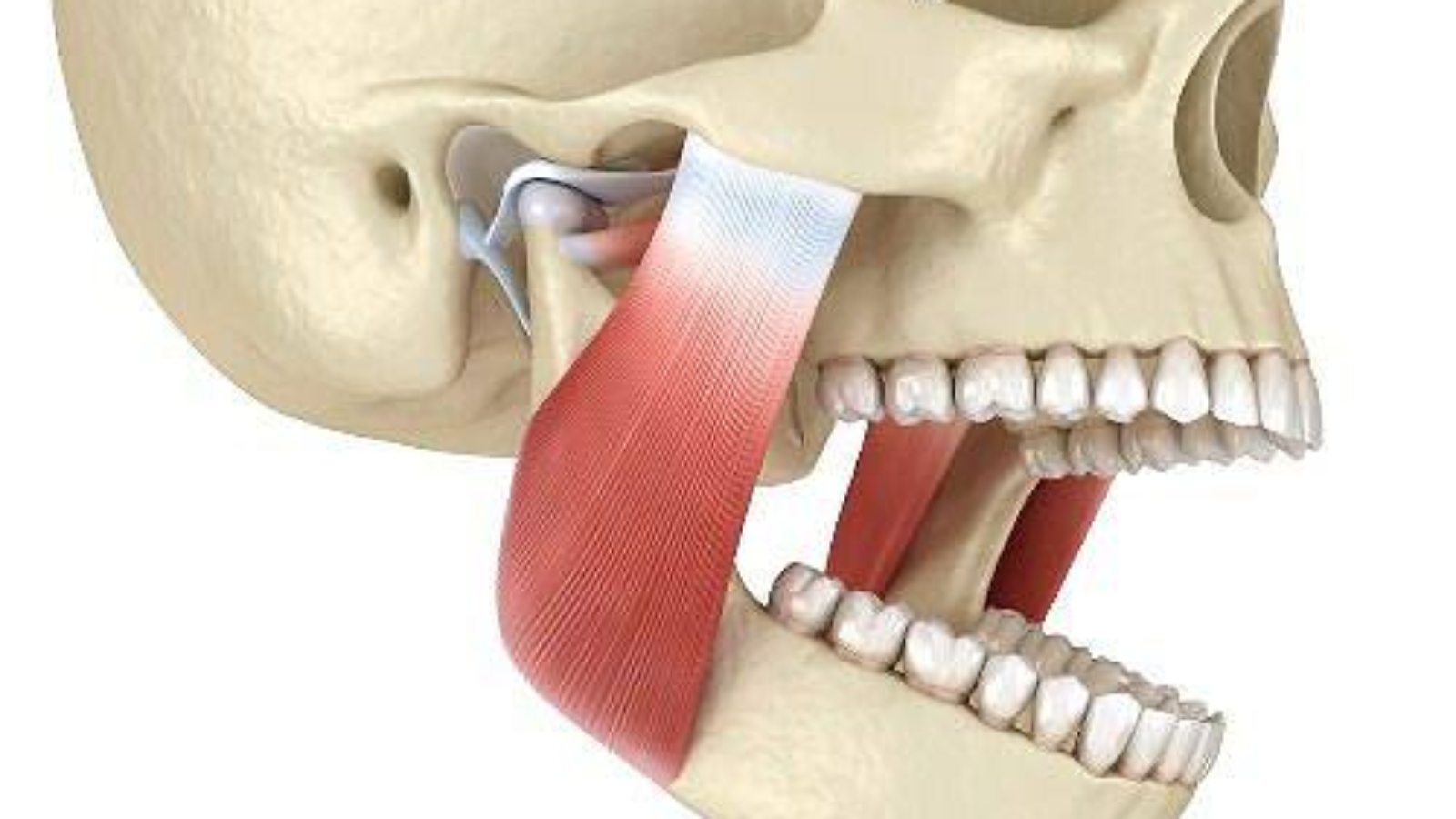
The masticatory system functions not only as a mechanical structure but as a dynamic complex in which the muscles play a decisive role. As Professor Alexander von Breuer believes, the level of muscle tension is often the hidden factor that significantly influences the longevity of restorations and the stability of dental implants. At DentalClinic24, we evaluate masticatory muscle activity during diagnosis and treatment planning, as functional load frequently impacts the outcome more than the material quality itself.
Excessive masticatory muscle activity increases pressure on teeth and prosthetic structures. At DentalClinic24, we frequently observe that patients with bruxism or habitual muscular tension face a considerably higher risk of microfractures or debonding of restorations. Professor von Breuer emphasises that if an implant or prosthetic device is placed without considering muscular factors, even technically flawless treatment can lead to complications over time.
Asymmetry in muscle activity is another critical consideration. When a patient predominantly chews on one side, pressure is unevenly distributed – potentially causing premature wear of restorations or displacement of the occlusal position. At DentalClinic24, we perform functional diagnostics and, when necessary, use temporary splints to redistribute the load. As Professor von Breuer notes, stabilising muscle tone should precede any major prosthetic intervention.
Emotional state also plays a role. Stress often leads to involuntary muscle tightening, particularly at night. At DentalClinic24, we take this into account during treatment planning – in some cases, implementing muscle relaxation methods or temporary protection of restorations. This approach reduces the risk of overload while tissues are undergoing adaptation.
Muscle influence is especially important during implant therapy. At DentalClinic24, we simulate anticipated functional load before implant placement to ensure proper osseointegration without excessive pressure. According to Professor von Breuer, precision in managing functional forces is often more crucial than the choice of fixation method itself.
Comprehensive consideration of muscular dynamics allows us to predict restoration behaviour and reduce the risk of complications. At Dental Clinic24, we see masticatory muscle function as an integral part of clinical evaluation, and where needed, we integrate gnathological expertise into the treatment process.
Earlier, we wrote about how 3D analysis reduces risks and improves treatment accuracy