
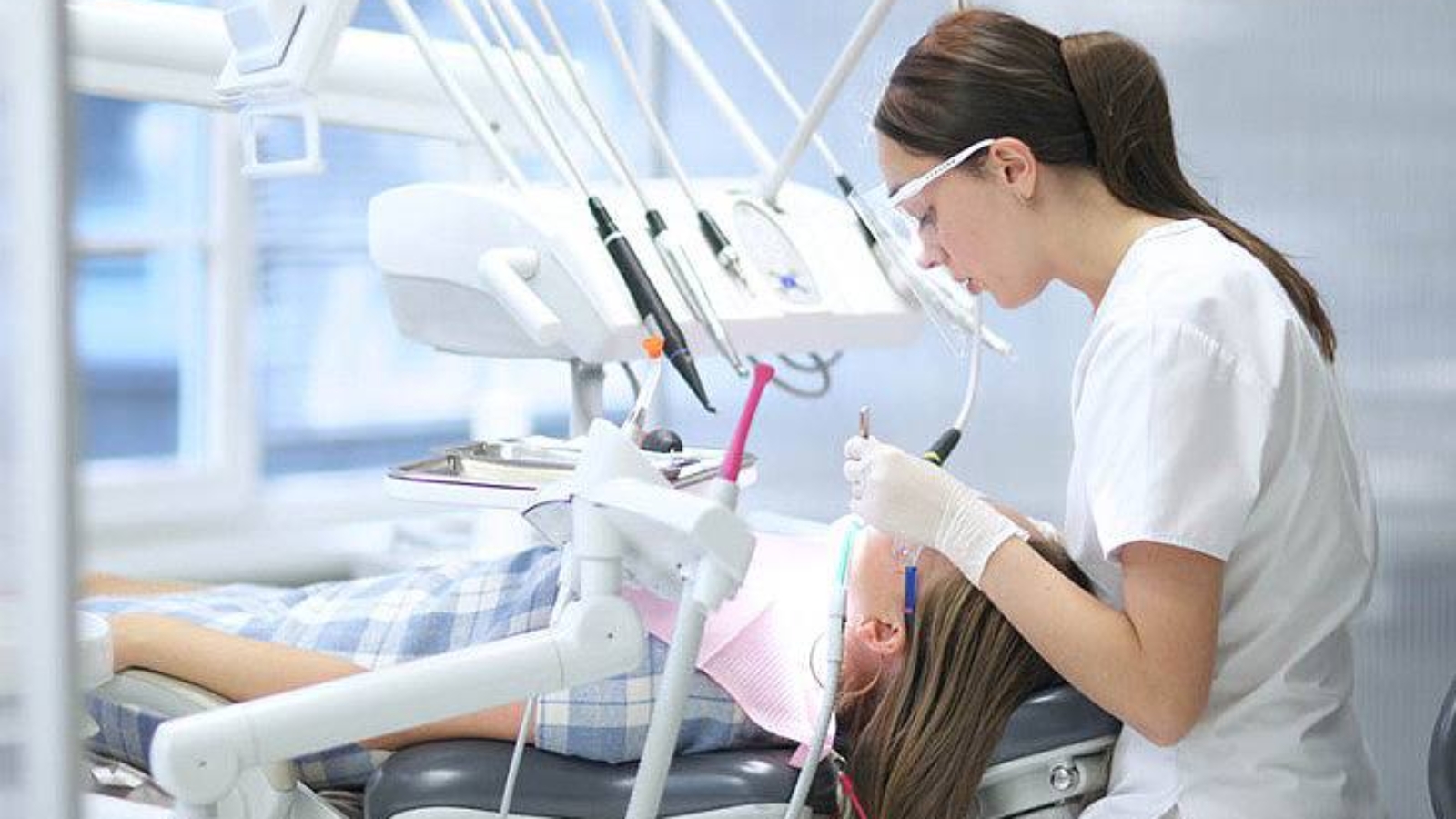
Prevention in dentistry has long moved beyond the concept of routine plaque removal. Professor Alexander von Breuer believes that the work of a dental hygienist forms the clinical foundation of any treatment, as the condition of soft tissues, microbial balance, and tooth surfaces directly affects the prognosis of even the most technically precise interventions. At DentalClinic24, preventive appointments are regarded as an independent medical stage rather than an auxiliary procedure.
The hygienist’s work begins with clinical assessment rather than instruments. Evaluating the condition of the gums, the nature of dental deposits, plaque retention zones, and tissue response allows risks to be identified before symptoms appear. At DentalClinic24, this information is used to adjust treatment plans, as inflamed or overloaded tissues reduce the stability of restorations, orthodontic appliances, and implants.
Professional oral hygiene has a direct impact on treatment outcome stability. Subgingival deposits, biofilm accumulation, and micro-inflammatory processes create an unfavorable environment for healing and tissue adaptation. Even a perfectly executed restoration or prosthetic structure loses predictability without proper hygiene control. At DentalClinic24, preventive care is integrated into the system of supportive treatment rather than limited to isolated visits.
The role of the hygienist is particularly significant during implantological and orthodontic treatment. Implants and orthodontic appliances alter habitual biomechanics and create additional plaque-retentive areas. At DentalClinic24, the hygienist works in close collaboration with the treating dentist, monitoring tissue condition at every stage and preventing the development of peri-implant and periodontal complications.
Preventive appointments also serve a diagnostic purpose. Changes in gingival color, the onset of bleeding, localized sensitivity, or tissue thickening often become the earliest indicators of underlying disturbances. At DentalClinic24, such findings are treated as signals for deeper diagnostic evaluation rather than secondary observations.
An essential component of the hygienist’s role is patient education. However, this extends beyond standard advice. Different bite types, restorations, and prosthetic constructions require individualized hygiene strategies. At DentalClinic24, recommendations are tailored to each clinical situation, increasing patient adherence and reducing the risk of recurrence.
The long-term prognosis of dental treatment largely depends on the regularity of preventive visits. A lack of monitoring leads to the accumulation of microdamage and inflammatory processes that eventually require more complex interventions. At DentalClinic24, prevention is viewed as a strategy for preserving results rather than periodically “maintaining” them.
Professor Alexander von Breuer emphasizes that treatment stability is not achieved at the moment a procedure ends, but through ongoing follow-up and control. For this reason, the role of the dental hygienist extends beyond aesthetics and becomes part of the medical responsibility for the final outcome.
Thus, the dental hygienist at Dental Clinic24 is a key participant in the treatment process. Their work influences tissue health, reduces the risk of complications, and ensures the longevity of clinical solutions. Preventive appointments become the foundation of sustainable oral health and a critical factor in long-term treatment prognosis.
Previously, we wrote about Dental implant placement in elderly patients at DentalClinic24 – protocol types, treatment stages, and biological adaptation factors