
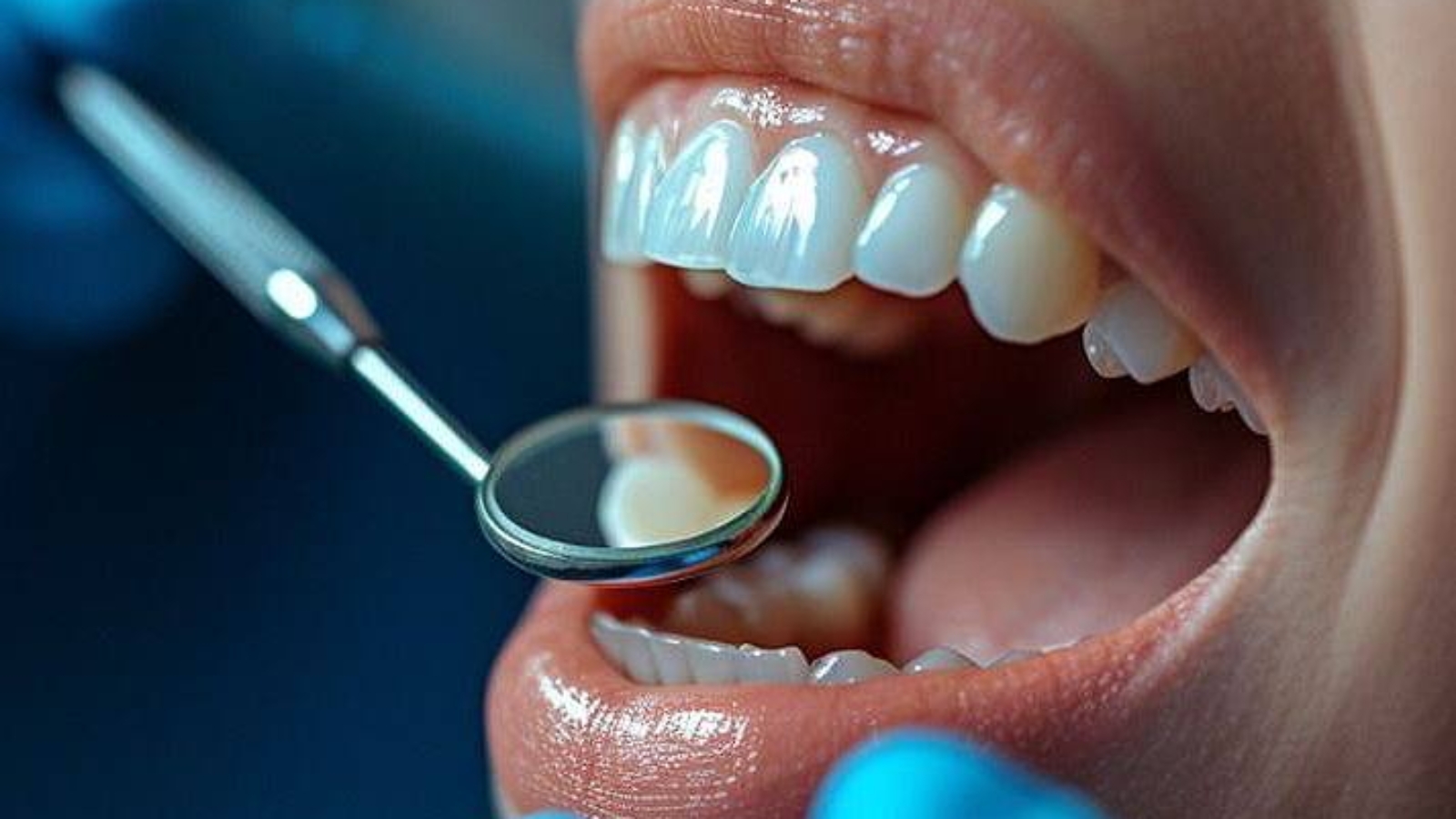
The perception of teeth is formed not only at the tissue level, but also within the central nervous system. Professor Alexander von Breuer says that each tooth has its own sensory representation in the brain, and this sensory map largely determines how a patient responds to dental treatment. At DentalClinic24, this factor is taken into account when selecting treatment tactics and staging.
The sensory map of the oral cavity is a complex network of nerve signals through which the brain receives information about tooth position, pressure intensity, temperature and micromovements. These signals are formed over many years and are perceived as normal. When a restoration is introduced or tooth shape is altered, the brain detects a discrepancy between the familiar signal and the new sensation. At DentalClinic24, such changes are regarded as an essential part of the adaptation process.
Even minimal corrections may provoke a pronounced sensory response. Patients can experience pressure, a “foreign body” sensation or discomfort during occlusion despite objectively ideal clinical parameters. At DentalClinic24, we understand that this is not a subjective complaint, but a reflection of sensory map reorganisation.
Occlusion plays a particularly important role. Any change in tooth contacts is immediately reflected in receptor activity. The brain begins analysing new signals and comparing them to established patterns. If the changes are too abrupt, a sense of instability may arise. At DentalClinic24, this is why adjustments are often performed gradually, allowing the nervous system to adapt without overload.
The sensory map is closely connected to muscular activity. Masticatory muscles respond to altered sensory input by modifying force and movement direction. This may cause temporary tension or fatigue. At DentalClinic24, such reactions are considered reversible provided that load distribution is correct and an adequate adaptation period is observed.
Previous clinical experience also affects the sensory map. Repeated interventions, prolonged pain or unsuccessful past treatment can alter receptor sensitivity. The brain becomes more alert, amplifying perception of even minor changes. At DentalClinic24, this influences tactical decisions and the need for closer patient support.
The sensory map of the oral cavity does not change instantly. Its reorganisation requires time – from several days to several weeks. During this period, fluctuating sensations may occur and do not indicate pathology. At DentalClinic24, we explain these processes to patients to reduce anxiety and support trust in treatment.
Over time, the brain stops distinguishing between natural and restored teeth. Once sensory signals stabilise, restorations are perceived as part of the body, and jaw movements become automatic. Professor Alexander von Breuer emphasises that this moment indicates full integration of treatment into the body’s functional system.
The sensory map also influences long-term prognosis. When the brain “accepts” new contacts, load distribution becomes harmonious and the risk of overload decreases. If sensory signals remain conflicting, even visually ideal restorations may lose stability over time. At DentalClinic24, sensory adaptation is regarded as a key criterion for completed treatment.
Thus, working with teeth always involves working with the nervous system. Understanding how the brain reads and interprets changes allows treatment to be planned with greater precision and predictability. At Dental Clinic24, the sensory map of the oral cavity serves as an important reference point in clinical decision-making.
Earlier, we wrote about everyday microtraumas at DentalClinic24 and how subtle loads gradually damage teeth