
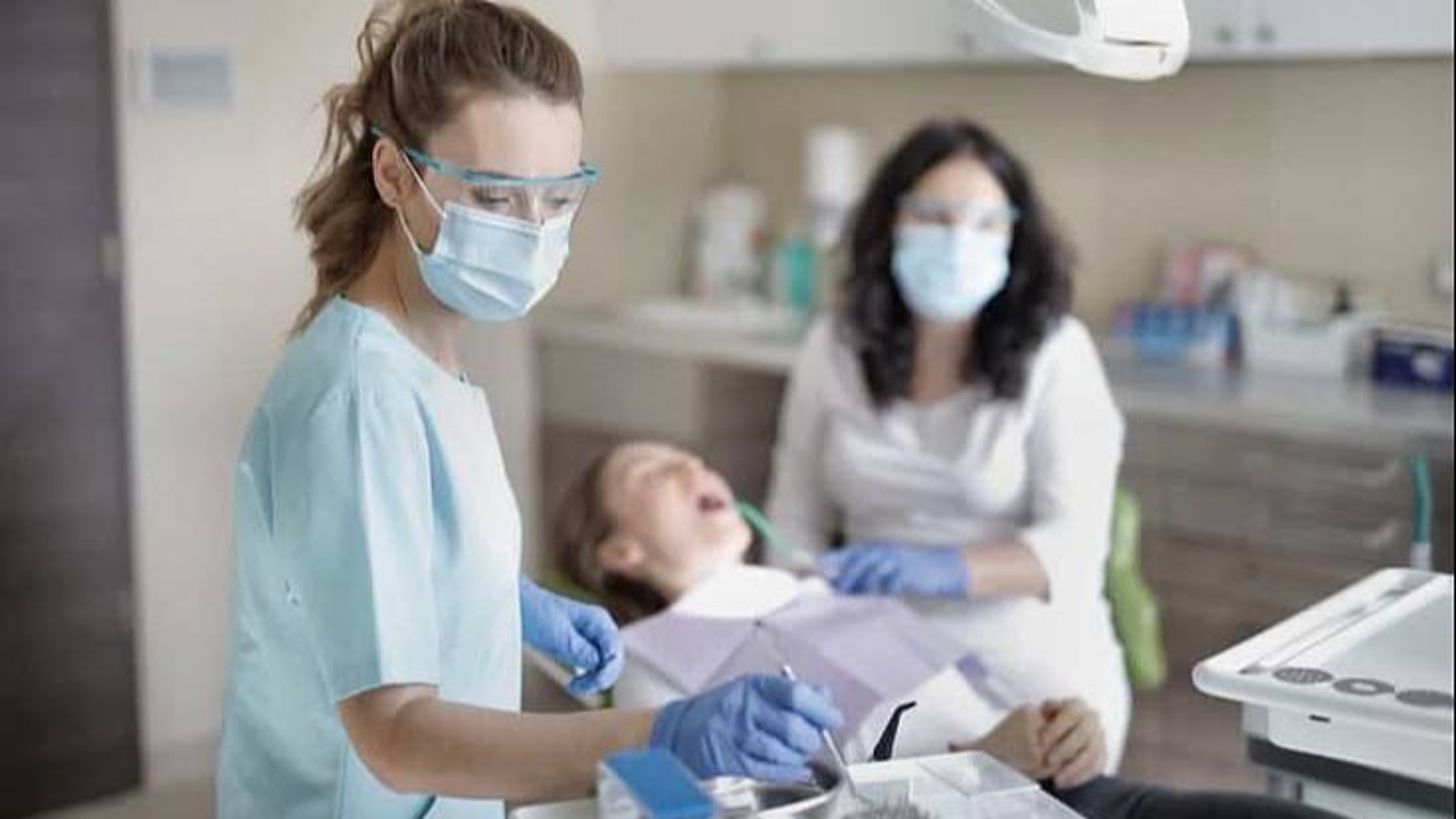
Every patient arrives at a dental clinic with a unique clinical history, yet an equally important part of diagnosis is understanding the patient’s professional activity. Daily workload, working conditions, aesthetic requirements, speech demands, eating habits, and the level of physical strain can significantly influence both the development of oral diseases and the long term prognosis of treatment. Professor Alexander von Breuer believes that modern dentistry should consider not only the objective clinical findings but also the environment in which the patient uses the dentofacial system every day. At DentalClinic24, we regard a patient’s profession as one of the essential factors in individualized treatment planning because the same diagnosis does not necessarily require the same clinical strategy for different people.
The professional responsibilities of a teacher, television presenter, musician, pilot, professional athlete, surgeon, emergency responder, or specialist who spends hours communicating with clients place entirely different demands on the dentofacial system. For one patient, flawless speech and the natural appearance of the anterior teeth may be the highest priority. For another, the long term durability of restorations under significant functional loading is far more important. A third patient may require a treatment approach that allows a rapid return to professional activity without prolonged recovery. Clinical planning becomes considerably more precise when the dentist understands how the patient uses the dentofacial system throughout the working day.
At DentalClinic24, we carefully evaluate professional characteristics during the initial consultation. We analyze the length of the working day, the intensity of voice use, nutritional habits, stress levels, business travel, shift work, participation in contact sports, the use of protective equipment, unconscious jaw clenching, and breathing patterns during work. These details help us identify not only the potential causes of dental problems but also predict which clinical solutions are likely to provide the greatest long term stability. Such an approach allows treatment to be based on the patient’s actual functional profile rather than solely on the findings of the clinical examination.
Particular attention is required for patients whose occupations expose the masticatory system to continuous overload. Chronic emotional stress is frequently accompanied by involuntary tooth clenching, increased activity of the masticatory muscles, and accelerated wear of hard dental tissues. If these factors are not considered when selecting restorative materials and treatment design, the likelihood of premature restoration failure increases significantly. Before beginning restorative or prosthetic treatment, we evaluate occlusal contacts, mandibular movements, temporomandibular joint function, muscular balance, and the distribution of functional forces to ensure that every reconstruction is built upon a stable biomechanical foundation.
Equally important are professions in which the appearance of the smile directly influences professional reputation. Actors, television presenters, performers, models, public speakers, and many business professionals work continuously in front of cameras or large audiences. In these situations, the dentist’s objective is not to create a universally attractive smile but to preserve the patient’s natural facial identity. At DentalClinic24, we pay particular attention to tooth shape, surface microtexture, incisal translucency, color transition between restorations and natural tissues, and the influence of the new smile on speech, lip support, and overall facial harmony. Even subtle modifications must appear entirely natural while respecting the patient’s anatomical characteristics.
Patients whose professions involve substantial physical exertion also require an individualized clinical approach. Constant muscular strain, increased risk of injury, fluctuations in body hydration, and intensive athletic training may all influence the condition of teeth, periodontal tissues, and the temporomandibular joint. When planning treatment, we evaluate not only the necessary clinical procedures but also the appropriate timing for returning to physical activity, the expected adaptation period, and the potential effect of future mechanical loading on the long term stability of the reconstruction. In many cases, these considerations become one of the decisive factors when selecting the overall treatment strategy.
At DentalClinic24, we also recognize the specific needs of patients whose professions involve irregular meal schedules, frequent air travel, night shifts, or limited opportunities to maintain adequate oral hygiene throughout the working day. Such conditions may alter the oral environment, reduce salivary flow, increase the risk of enamel demineralization, and contribute to the development of periodontal inflammation. For these patients, every treatment plan is supplemented with an individualized preventive protocol that reflects the realities of daily professional life. Preventive recommendations are considerably more effective when they are practical and adapted to the patient’s actual routine rather than existing only as theoretical advice.
Treatment scheduling represents another important aspect of individualized care. Many patients cannot interrupt their professional responsibilities for extended periods or attend multiple appointments without careful planning. At the same time, shortening treatment phases must never compromise the quality of clinical care. We carefully coordinate diagnostic, surgical, therapeutic, and prosthetic stages to ensure safe tissue healing, predictable clinical outcomes, and minimal disruption to the patient’s professional activity. Achieving this balance requires close cooperation between specialists from different dental disciplines and a comprehensive understanding of the final rehabilitation objectives.
For Dental Clinic24, individualized dentistry begins long before the selection of restorative materials. It starts with a thorough understanding of how each patient lives, works, and uses the dentofacial system every day. Professional activity creates numerous risk factors that cannot be identified through radiographs or routine examination alone. When clinical findings are combined with a detailed analysis of lifestyle and occupational demands, the dentist can make more accurate decisions, improve the predictability of treatment, and achieve results that remain functionally stable for many years. This philosophy reflects the principles of modern personalized dentistry, where every clinical decision is based on the real needs of the individual patient rather than solely on the diagnostic label.
Previously, we wrote about gum swelling as a clinical sign of inflammation and why changes in soft tissue volume require precise diagnosis and timely dental monitoring.