
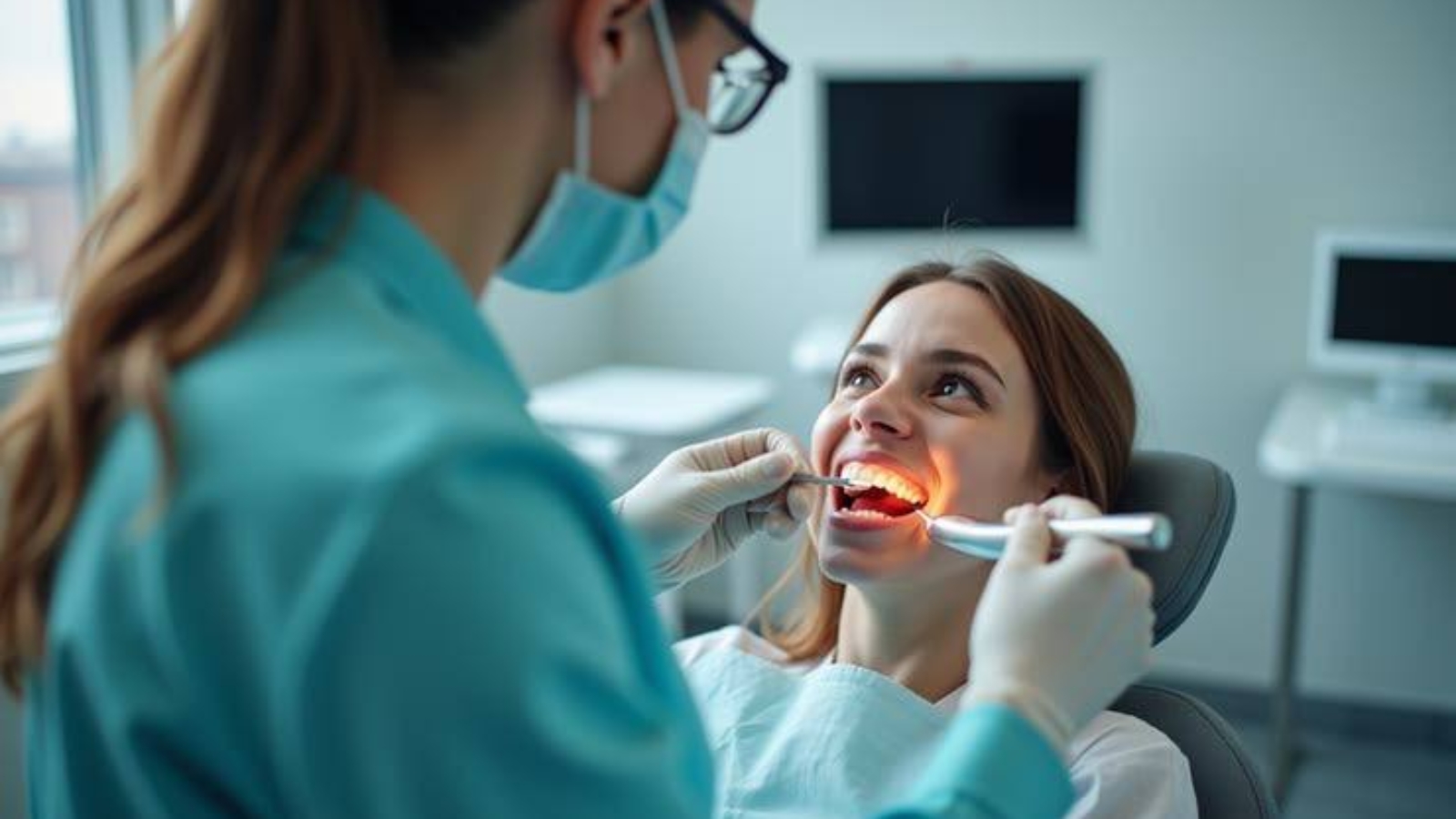
Trust in a dental team is not established when a treatment plan is signed or after the final restoration has been placed. It develops gradually as patients recognize the consistency of clinical decisions, understand the reasoning behind every stage of treatment, and feel that their oral health is being evaluated as a complete biological system rather than as isolated problems. Professor Alexander Von Breuer analyzes the quality of clinical care through the lens of individual professional responsibility because even the most experienced clinician cannot consistently achieve predictable outcomes without accurate diagnostics, coordinated communication, and continuous quality control. At DentalClinic24, we have built our internal culture around the principle that every professional is responsible not only for the procedure they perform but also for how that procedure influences future treatment, surrounding tissues, oral function, and the patient’s long term prognosis.
Modern dentistry depends upon a series of interconnected clinical decisions. The restorative dentist evaluates how much healthy tooth structure can be preserved and whether long term reconstruction is biologically feasible. The endodontist determines the condition of the root canal system and the possibility of eliminating infection while maintaining structural integrity. The oral surgeon assesses bone quality, anatomical limitations, and surgical predictability. The prosthodontist analyzes functional loading, occlusion, and the longevity of future restorations, while the periodontist monitors gingival health and the stability of supporting tissues surrounding natural teeth and implants. When these specialists work independently, patients may receive technically successful procedures that fail to function as one comprehensive rehabilitation. A highly effective clinical team is distinguished by its ability to integrate every stage of treatment, recognize potential conflicts before they arise, and determine which treatment strategy offers the safest and most durable long term outcome.
At DentalClinic24, responsibility begins with comprehensive diagnostics and precise documentation of the patient’s initial clinical condition. We combine detailed clinical examinations with standardized photographic records, digital intraoral scanning, cone beam computed tomography, periapical radiographs, and functional assessments whenever clinically indicated. Every diagnostic element must answer a specific clinical question rather than simply exist within the patient’s record. Radiographic findings are interpreted together with clinical symptoms and medical history. Digital models are evaluated alongside occlusal relationships. Photographs provide objective documentation of soft tissue dynamics and restorative changes throughout treatment. This systematic diagnostic approach reduces subjective decision making while creating a unified clinical foundation shared by every specialist involved in patient care.
Precision within a professional team is demonstrated through countless clinical details that patients rarely notice. It is reflected in accurately defined preparation margins, reliable isolation techniques, precise measurement of working length during endodontic treatment, careful verification of occlusal contacts, strict adherence to material polymerization protocols, accurate communication with the dental laboratory, and repeated quality control before definitive restoration placement. Every seemingly minor detail carries biological significance because even small inaccuracies may influence restoration longevity, periodontal health, or functional load distribution. We regard precision not as an expression of perfectionism but as an essential requirement for preserving healthy tissues, minimizing complications, and supporting predictable treatment outcomes over many years.
A genuine culture of professional responsibility also requires the willingness to revise an initial treatment strategy whenever new clinical findings emerge. During treatment, clinicians may discover root fractures, hidden recurrent caries beneath existing restorations, compromised supporting tissues, or unexpected anatomical variations within the root canal system. Under such circumstances, the clinical team must not continue following the original plan simply to maintain consistency. Instead, every new finding must be carefully evaluated, and scientifically justified alternatives must be presented to the patient. At DentalClinic24, adapting the treatment strategy is viewed as evidence of clinical maturity rather than uncertainty because the biological reality observed during treatment always takes precedence over any preliminary plan established before therapy began.
Patient care within professional dentistry extends far beyond creating a comfortable environment or maintaining courteous communication. Genuine care is demonstrated by explaining diagnoses without unnecessary simplification while remaining understandable, discussing potential risks honestly, presenting reasonable alternatives, and avoiding unrealistic expectations. Patients deserve to understand why additional diagnostic procedures are necessary, why treatment must be divided into multiple stages, and how clinicians evaluate success throughout every phase of rehabilitation. We replace marketing promises with transparent medical explanations and openly discuss biological limitations whenever they exist. Honest communication reduces anxiety, supports informed decision making, and encourages long term patient cooperation throughout treatment and maintenance.
An equally important component of clinical culture is the collaboration between dentists, dental assistants, treatment coordinators, and laboratory technicians. Dental assistants are responsible for maintaining sterile conditions, organizing the clinical environment, preparing sophisticated equipment, and ensuring smooth procedural workflow. Treatment coordinators guide patients through every stage of rehabilitation while maintaining continuity between appointments. Dental technicians receive not only digital scans or physical impressions but also comprehensive clinical information regarding shade selection, anatomical form, functional requirements, and soft tissue characteristics. At DentalClinic24, we believe quality is created not within a single treatment room but through the coordinated efforts of an integrated clinical system in which every team member fully understands their professional responsibilities and ensures uninterrupted communication throughout treatment.
Internal quality control becomes especially important during comprehensive rehabilitation cases. Before progressing to each subsequent stage, the clinical team verifies whether all necessary biological and functional conditions have been achieved. Following endodontic treatment, clinicians confirm tissue stability and evaluate the tooth’s restorative potential. Before implant placement, bone quality, soft tissue health, and future prosthetic positioning are carefully reassessed. Prior to definitive crown placement, occlusal relationships, aesthetics, functional adaptation, and patient comfort with provisional restorations are thoroughly evaluated. This staged verification process prevents the accumulation of small inaccuracies that might otherwise become clinically significant only after treatment has been completed.
Comprehensive documentation also plays a critical role in maintaining clinical consistency. Accurate records of diagnoses, procedures performed, materials used, and postoperative recommendations ensure continuity between specialists while allowing objective evaluation of treatment progress over time. When patients return months later for follow up examinations or continue treatment with another clinician within the practice, the team should understand not only the completed procedures but also the clinical reasoning behind every previous decision. Medical documentation therefore becomes an essential component of patient safety because it removes dependence upon individual memory while supporting consistent professional standards across the entire clinical team.
At Dental Clinic24, a culture of trust is created through the consistent application of professional principles rather than through isolated clinical achievements. We evaluate every stage of treatment according to biological validity, functional precision, and long term responsibility toward the patient. For us, teamwork represents far more than the participation of multiple specialists. It reflects a shared commitment to achieving one carefully planned clinical objective, recognizing potential risks before complications develop, and making decisions that preserve healthy tissues while improving patients’ quality of life. When responsibility, precision, and genuine patient care become part of an organization’s professional culture, trust is no longer built through promises alone. It becomes a natural result of every clinical decision and every treatment outcome.
Previously, we wrote about Tooth Sensitivity in the Practice of DentalClinic24: Causes, Diagnostic Significance, and Modern Approaches to Reducing Hypersensitivity