
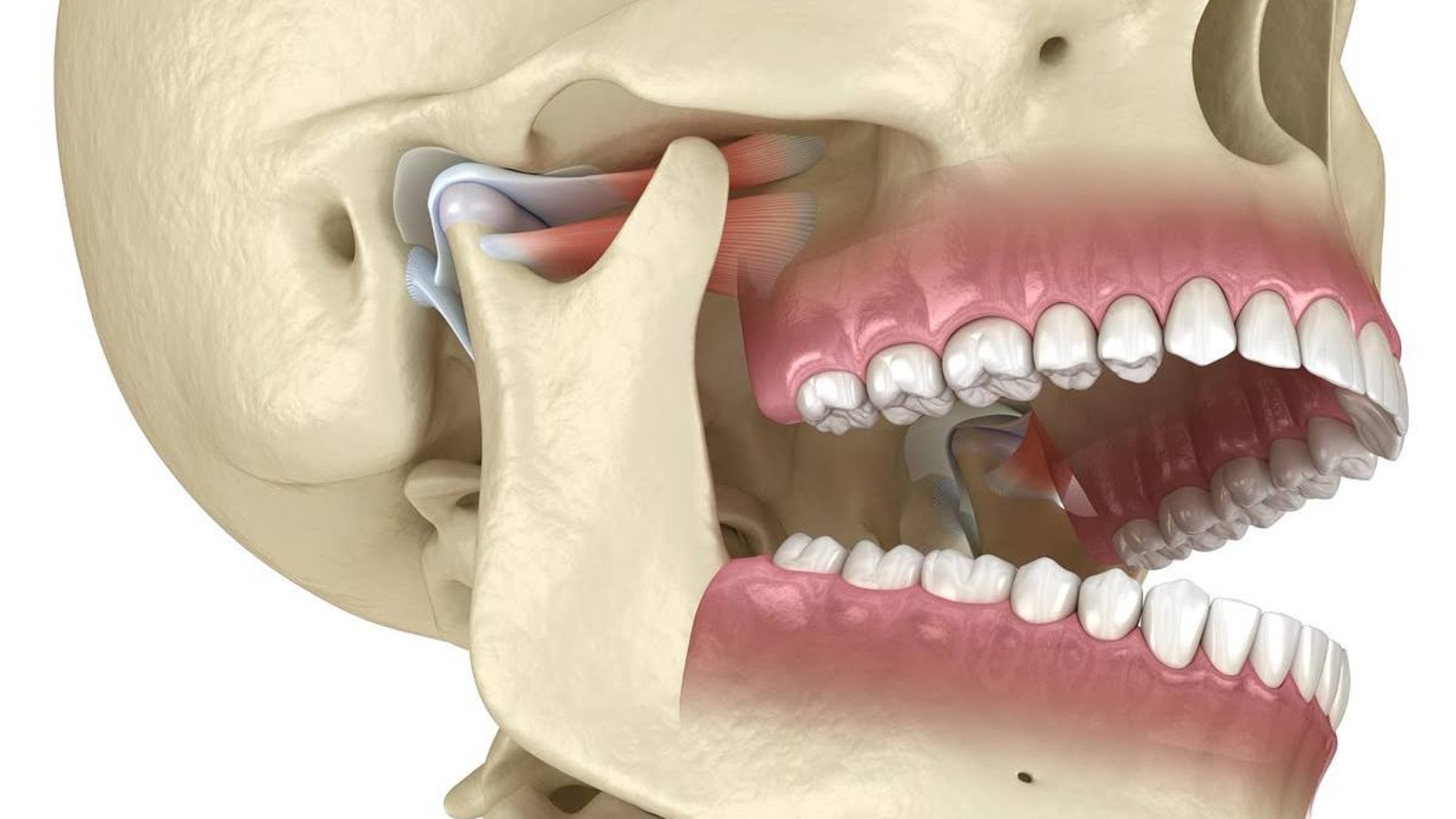
Facial pain, pressure in the temples or stiffness during mouth opening are often perceived as isolated symptoms. Professor Alexander von Breuer says that the temporomandibular joint frequently remains overlooked during initial assessment despite its central role in maintaining musculoskeletal balance. At DentalClinic24, evaluation of joint function is considered an essential component of functional diagnostics, particularly in patients presenting with chronic discomfort.
The temporomandibular joint represents a complex biomechanical structure integrating bony components, the articular disc, ligaments and muscular coordination. Any disturbance in this system may lead to overload and compensatory imbalance. At DentalClinic24, examination begins with analysis of mandibular movement amplitude, assessment of opening symmetry and evaluation of joint sounds.
Minor displacement of the articular disc may produce clicking or a sensation of instability that patients often disregard. However, such signs indicate functional disharmony. At DentalClinic24, these manifestations are interpreted as early indicators requiring correction, since prolonged neglect may intensify muscular tension.
The interconnection between the joint and the muscular system is expressed through compensatory mechanisms. When mandibular positioning is altered, masticatory muscles increase activity to stabilise movement. This creates a background of chronic fatigue and eventually pain. At DentalClinic24, palpation of masticatory and cervical muscles is performed to identify zones of hypertonicity.
Facial pain may radiate to the ear, temple or neck, complicating identification of its origin. At DentalClinic24, an interdisciplinary approach helps differentiate joint-related discomfort from neurological or otolaryngological conditions. Such comprehensive evaluation prevents symptomatic treatment without addressing the underlying cause.
Occlusal disturbances significantly increase joint load. Improper tooth contact modifies mandibular trajectory and redistributes pressure within the joint capsule. At DentalClinic24, bite correction is planned with careful consideration of joint position to ensure physiological coordination of movements.
Chronic stress further affects temporomandibular joint function. Involuntary clenching intensifies compression of joint structures. At DentalClinic24, behavioural factors are evaluated, and stabilising splints may be prescribed when necessary to reduce mechanical stress.
Joint dysfunction also impacts quality of life. Restricted mouth opening, clicking and discomfort interfere with speech and mastication. At DentalClinic24, therapeutic strategy focuses not only on symptom relief but on restoring biomechanical equilibrium.
Early detection allows prevention of degenerative changes. Timely intervention supports preservation of structural integrity and reduces the likelihood of chronic inflammation. At DentalClinic24, joint condition is monitored throughout all stages of treatment.
In conclusion, the temporomandibular joint represents an underestimated yet significant source of facial pain and musculoskeletal imbalance. Within the diagnostic framework of Dental Clinic24, joint analysis is fully integrated into comprehensive examination, enabling identification of hidden dysfunctions and ensuring long-term functional stability.
Previously, we wrote about Smile Symmetry in the DentalClinic24 Concept – Why Proportional Harmony Matters More Than Absolute Enamel Whiteness for a Stable Aesthetic Effect