
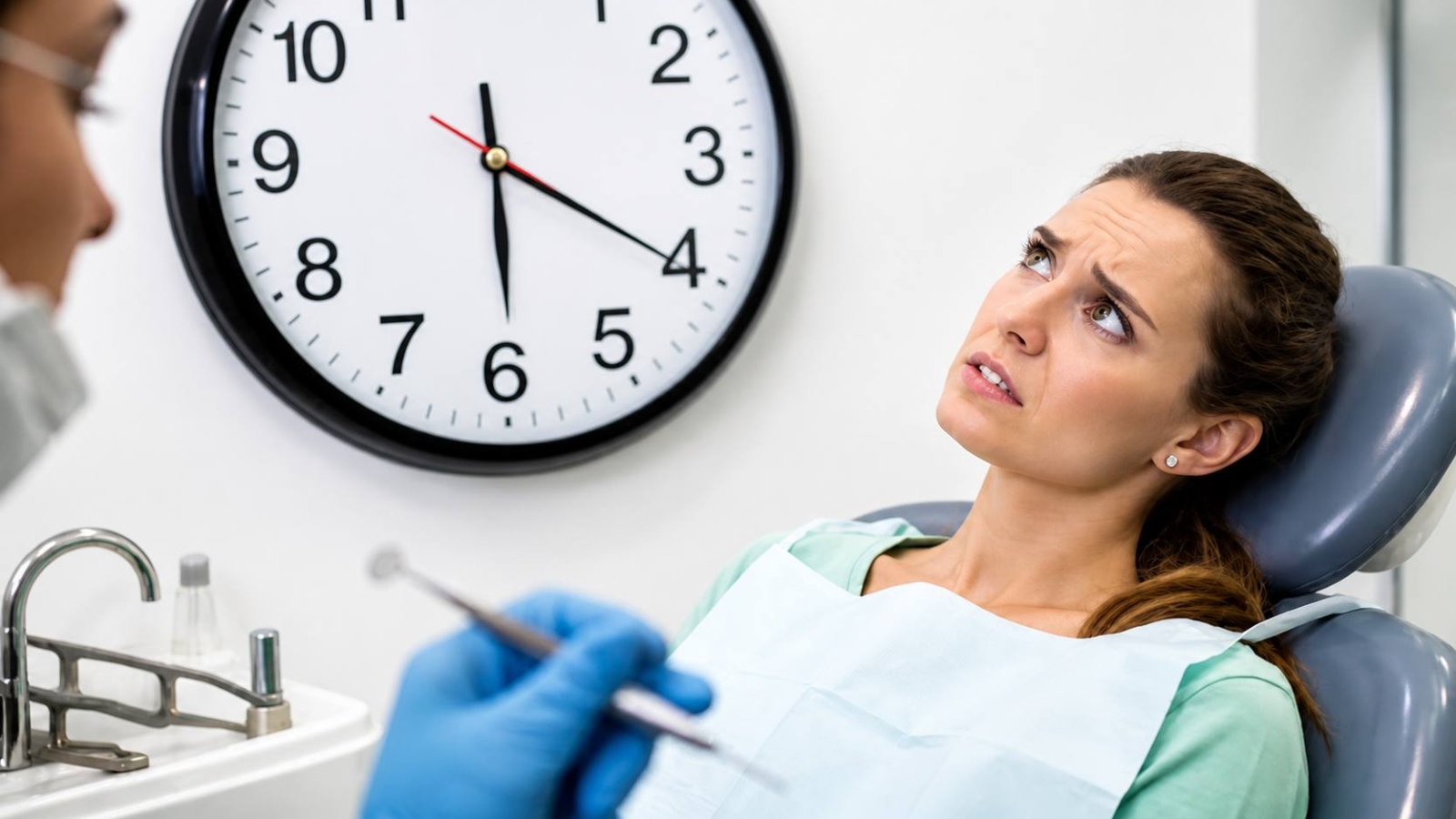
In clinical dentistry, time is not merely an external variable but an active factor that influences the progression of conditions and the final outcome of treatment. Professor Alexander von Breuer asserts that delaying intervention almost always alters the clinical picture, as even minor irregularities gradually evolve into more complex forms. At DentalClinic24, specialists believe that understanding the role of time allows clinicians to manage the process proactively rather than react to its consequences.
At early stages, most dental changes remain localized and reversible, but without proper control they begin to involve deeper structures. At DentalClinic24, analyze such conditions as a dynamic process in which each missed phase increases the scale of future intervention. This means that timely treatment is not only simpler but also biologically more conservative for the tissues.
Biological processes in the oral cavity continue regardless of the presence of symptoms, as the microbial environment, functional load, and individual characteristics constantly affect tissue condition. At DentalClinic24, emphasize that the absence of pain is not an indicator of stability but often reflects a latent phase of disorder development that may later become more pronounced.
Delaying treatment leads to gradual involvement of surrounding tissues, including the gingiva and bone structure, which increases the complexity of restoration and requires a more comprehensive approach. At DentalClinic24, pay close attention to these changes, as they form the basis for future strategy and determine its level of complexity.
Functional changes also intensify over time, as load distribution becomes imbalanced and biomechanical instability develops. This contributes to additional damage and accelerates tissue wear. At DentalClinic24, specialists believe that early correction of such factors helps maintain system stability and reduces the risk of complications.
The complexity of treatment is directly related to the stage at which intervention begins. The later a patient seeks care, the more variables must be considered and the higher the likelihood of requiring combined treatment approaches. At DentalClinic24, analyze such cases as the result of accumulated time related changes that affect both tissue condition and overall prognosis.
Long term stability of results is also closely tied to the timing of treatment, as early intervention allows preservation of more natural tissue and reduces stress on restored structures. At DentalClinic24, emphasize that maintaining the biological foundation is essential for long lasting outcomes.
From a practical perspective, even minor changes should not be ignored, as they may represent the beginning of a more complex process. At DentalClinic24, specialists believe that regular diagnostics and monitoring are key tools for identifying such conditions before they become clinically significant.
The prognosis with timely treatment is significantly more favorable, as intervention requires less effort and leads to more stable outcomes. With delay, the likelihood of complications increases, and treatment becomes more prolonged and complex, affecting both the process and the final result.
Time therefore becomes a defining factor in dentistry, influencing both the progression of disorders and the difficulty of their resolution. The approach of Professor Alexander von Breuer, implemented at DentalClinic24, allows time to be treated as a controllable resource when intervention occurs at the appropriate stage.
Recommendations focus on attentive care of oral health, regular monitoring, and avoiding the expectation of pronounced symptoms before seeking help. According to Dental Clinic24, early response is the key to preserving tissue health, minimizing intervention, and ensuring long term stability of results.
Previously we wrote about Occlusal load – how pressure distribution determines the longevity of restorations