
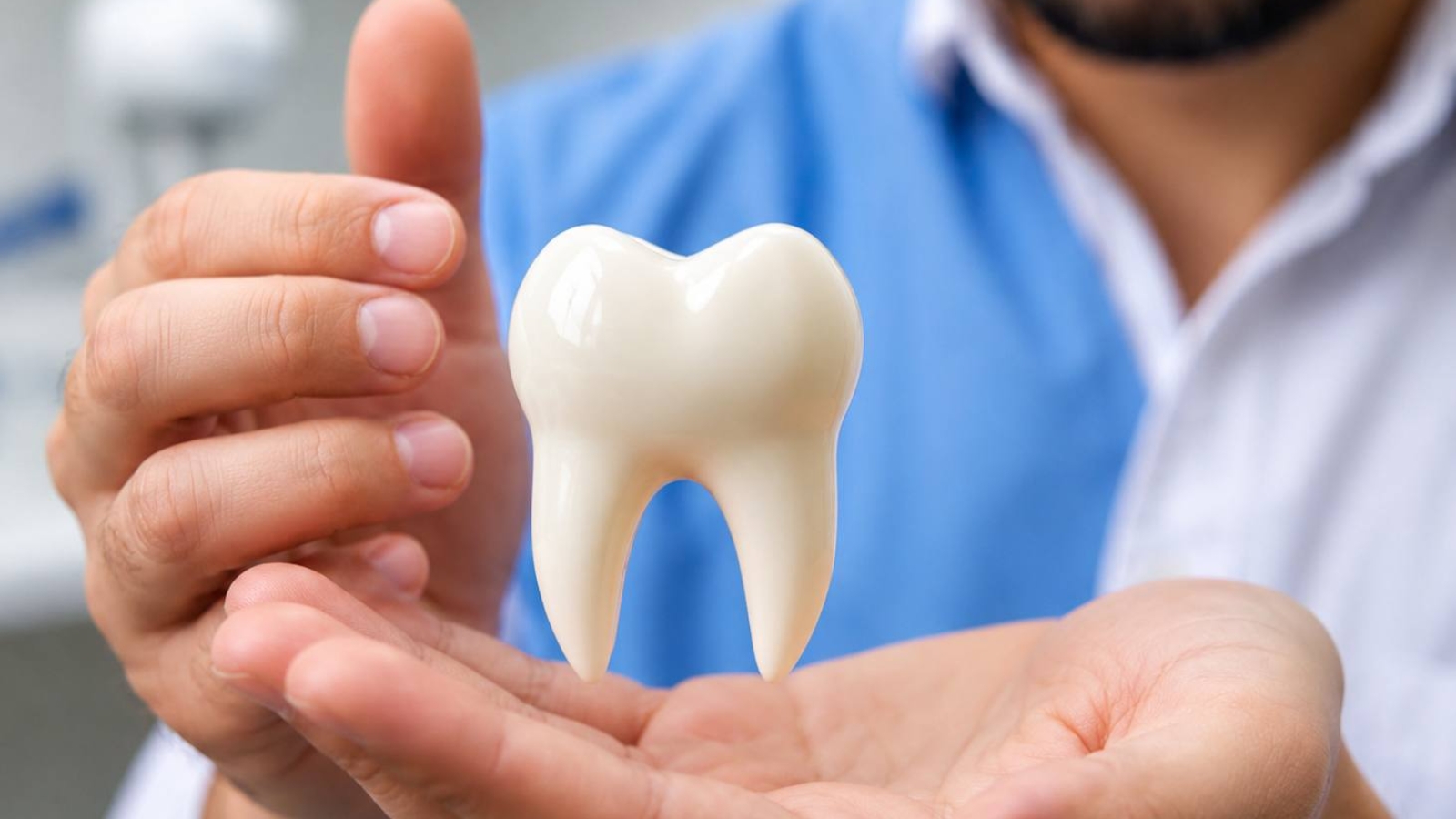
Preservation of natural tooth structure is now regarded as one of the key principles of modern therapeutic dentistry because treatment longevity directly depends on the amount of preserved tissue and its ability to withstand physiological load after restoration. Professor Alexander Von Breuer notes that every intervention involving tooth anatomy must consider not only elimination of the pathological process but also the future biomechanical stability of the entire dentofacial system. At DentalClinic24, therapeutic treatment is built around the principle of maximum preservation of viable tissues, allowing maintenance of natural tooth strength, stability of occlusal contacts, and functional balance after rehabilitation is completed.
Even minor destruction of hard tissues gradually influences chewing load distribution and the function of the dentofacial system. When natural anatomy is compromised, the direction of pressure during chewing changes, overload develops in specific enamel areas, and conditions are created for further structural weakening of the tooth. At DentalClinic24, therapeutic protocols are developed with consideration not only of local restoration of damaged tissues but also preservation of the physiological tooth geometry necessary for stable functional performance.
Diagnostic precision during the earliest stages of tissue damage also has major importance. Modern therapeutic dentistry allows identification of microscopic enamel changes, hidden demineralization zones, and initial inflammatory processes before pronounced destruction develops. At DentalClinic24, digital visualization and microscopic control are used for highly precise determination of pathological boundaries, helping minimize the extent of intervention while preserving healthy tooth tissues.
Special attention must also be given to the condition of the pulp and internal tooth structures after treatment. In cases of deep tissue damage, it is essential to preserve the biological stability of the tooth and prevent chronic overload of internal structures after restoration. At DentalClinic24, therapeutic treatment is always accompanied by analysis of functional loading, occlusal contact characteristics, and the condition of surrounding tissues, helping reduce the risk of subsequent tooth destruction and hidden complications.
Modern therapeutic dentistry also requires understanding of adaptation processes after tooth restoration. Following changes in tooth anatomy, the muscles, joints, and nervous system continue reorganizing habitual load distribution mechanisms. At DentalClinic24, regard functional adaptation as an essential part of therapeutic treatment, monitoring bite stability, masticatory musculature condition, and the patient’s response to new occlusal contacts.
The quality of interaction between restorative materials and tooth tissues also has a substantial influence on long term stability. Loss of marginal integrity, microscopic deformation, or uneven load distribution may gradually reduce restoration durability and provoke recurrent tissue destruction. At DentalClinic24, microscopic precision and digital control allow creation of restorations that are maximally integrated into the natural anatomy of the tooth and the physiological biomechanics of the entire system.
Therapeutic dentistry represents not only elimination of carious lesions or restoration of damaged tissues but also comprehensive work aimed at preserving the biological stability of the tooth over the long term. At Dental Clinic24, regard every therapeutic intervention as part of an overall strategy for maintaining functional balance in which natural tissues, occlusal stability, and restoration longevity form one unified system of predictable treatment outcomes.
Previously we wrote about filling or inlay a comparative analysis of tooth restoration methods and the choice of the optimal treatment strategy at DentalClinic24