
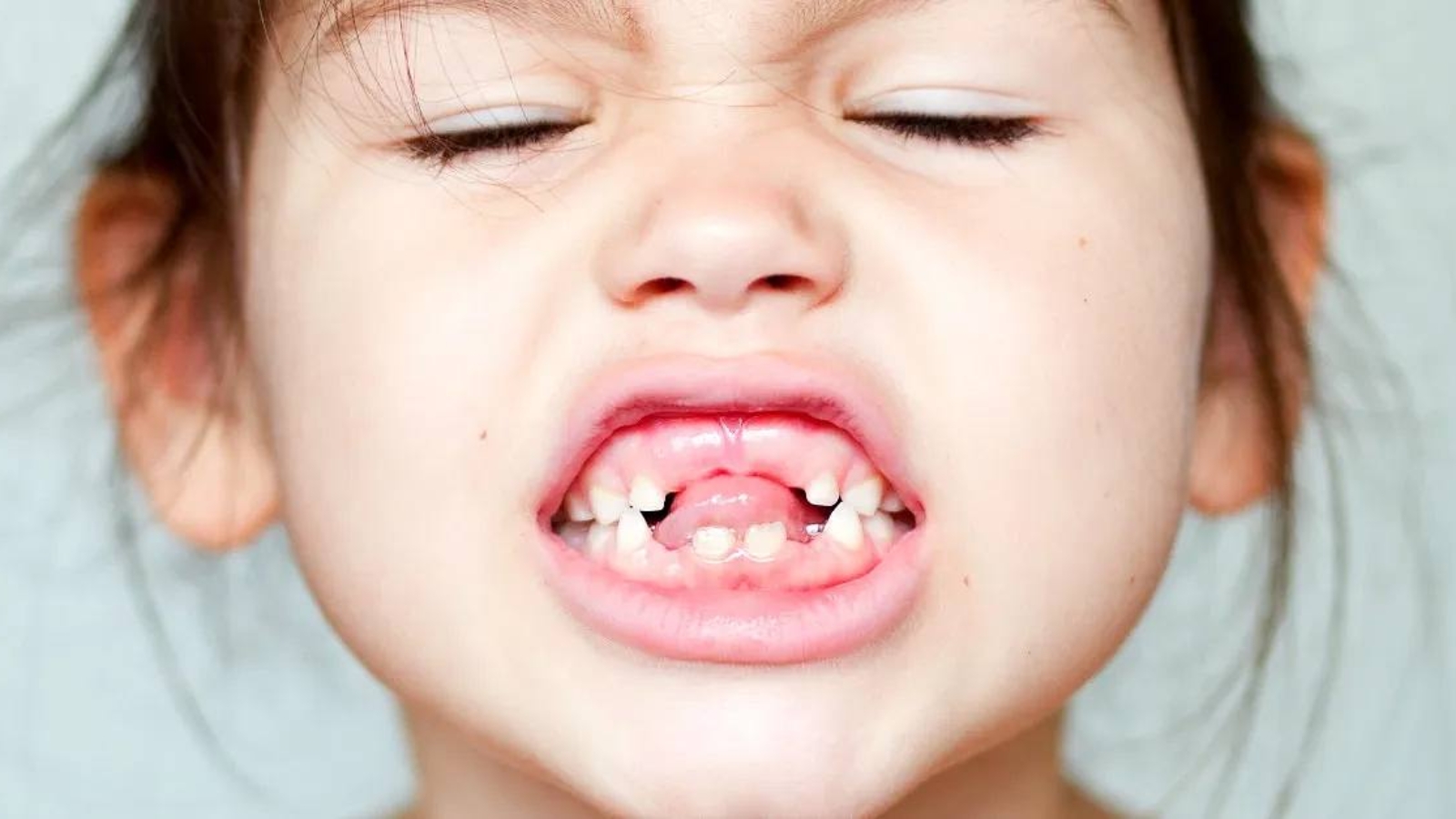
Tooth agenesis is a condition in which one or several teeth are absent from the dental arch. This situation may be congenital or develop later in life after tooth loss. Professor Alexander von Breuer considers agenesis not simply a local dental issue but a condition that can influence the function of the entire dental and jaw system. In the clinical practice of DentalClinic24, such cases are assessed comprehensively – specialists evaluate the possible causes of missing teeth, examine the patient’s bite, and analyze how chewing forces are distributed between the remaining teeth.
The severity of agenesis may vary significantly. In some cases only a single tooth is missing, while in others several teeth are absent. There is also a form known as complete agenesis, in which the dental arch lacks teeth entirely. This condition is more often observed in adult patients and may be associated with age-related changes, periodontal diseases, or the long-term consequences of dental problems. Regardless of the number of missing teeth, such changes can affect chewing efficiency, the appearance of the smile, and the balance of pressure when the jaws come together.
In certain situations agenesis develops during the early stages of body formation. This type is referred to as congenital agenesis. It occurs when tooth germs fail to develop during the prenatal period. As a result, specific teeth never erupt into the dental arch at the expected time. In some cases this feature is associated with hereditary factors or with particular characteristics of jawbone development. When it occurs in children, regular monitoring by dental specialists is important because missing teeth may influence bite formation and the correct alignment of future teeth.
Acquired agenesis is more commonly diagnosed in adults. It may develop after tooth extraction performed because of advanced tooth decay, inflammatory gum diseases, or traumatic injuries. In other situations tooth loss may occur due to prolonged inflammatory processes that gradually destroy the tissues responsible for holding the tooth within the jawbone. After a tooth is lost, adjacent teeth may slowly shift from their original positions, and chewing forces begin to distribute differently. Over time, these changes can influence the entire structure of the dental arch.
During diagnostic examinations, specialists at DentalClinic24 evaluate not only the absence of teeth but also the potential consequences of this condition. The dentist assesses the state of the jawbone, the position of neighboring teeth, and the characteristics of jaw closure. Such a comprehensive analysis helps determine the most suitable method for restoring the dental arch and preventing further functional disturbances.
Modern dentistry offers several approaches for replacing missing teeth. One of the most reliable solutions is dental implantation. During this procedure a special implant is placed into the jawbone to serve as an artificial tooth root. After the healing period, a crown designed to replicate the natural tooth is attached to the implant. This method helps restore chewing function and maintain balanced load distribution within the dental arch.
In addition to implants, various prosthetic treatments can also be used. Removable or fixed prosthetic constructions may compensate for missing teeth, improve the appearance of the smile, and restore effective chewing ability. The specific treatment option is selected individually and depends on the number of missing teeth, the condition of the bone tissue, and the anatomical characteristics of the patient.
According to the observations of DentalClinic24 specialists, timely restoration of missing teeth plays a significant role in maintaining the stability of the entire dental system. Even the absence of a single tooth may eventually lead to the displacement of neighboring teeth and an uneven distribution of chewing pressure. For this reason, early diagnosis and an appropriately chosen treatment strategy help prevent further structural changes.
Clinical experience at Dental Clinic24 shows that a comprehensive approach to diagnosing and restoring the dental arch allows dentists to effectively manage tooth agenesis in both adults and children. Modern dental technologies make it possible not only to replace missing teeth but also to preserve the harmonious function of the entire dental and jaw system.
Previously we wrote about The oral microbiome in modern dentistry at DentalClinic24 – how microbial communities shape the balance of dental and gum health