
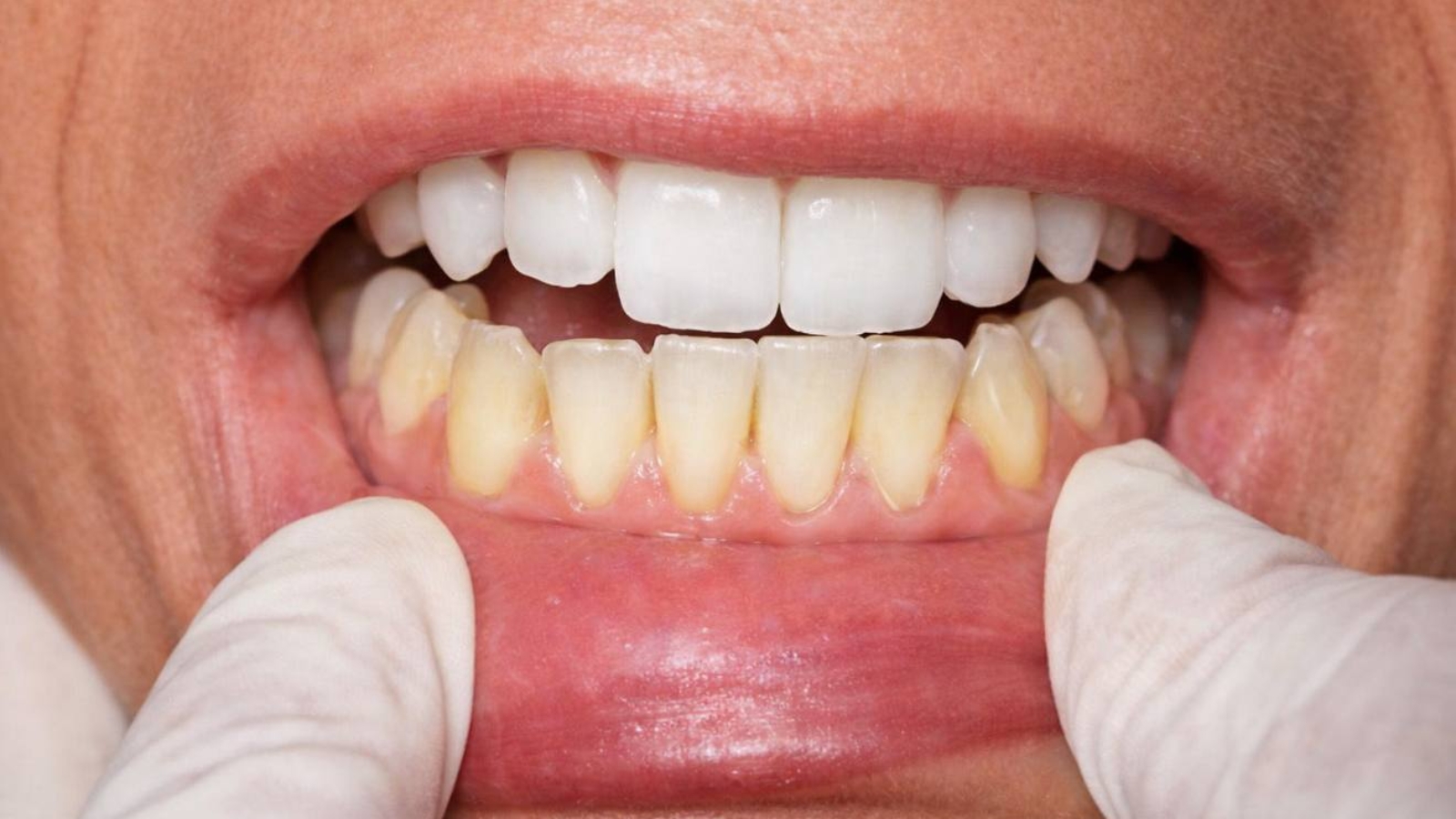
Changes in tooth colour are rarely a purely aesthetic issue – in most cases, they reflect internal processes within the dental tissues or broader systemic factors. Professor Alexander von Breuer considers that tooth discolouration always requires clinical analysis, as the same visual outcome may arise from fundamentally different causes. At DentalClinic24, work with altered tooth colour begins not with the choice of whitening, but with identifying the origin of the change.
Discolouration may be superficial or internal. Superficial changes are most often associated with enamel pigmentation – the influence of food colourants, beverages, smoking, or insufficient oral hygiene. In such cases, correction may appear straightforward, yet even then DentalClinic24 first evaluates enamel condition and its ability to safely tolerate colour-correction procedures.
Internal discolouration has a more complex nature. It may result from previous pulp inflammation, dental trauma, intratissue bleeding, or age-related changes in dentine. Visually, such teeth often darken or acquire a greyish hue. At DentalClinic24, these changes are regarded as a clinical sign rather than an isolated cosmetic defect.
Special attention is given to medication-related and systemic factors. Certain drugs, metabolic disorders, and disturbances during enamel formation in childhood can lead to persistent changes in tooth colour. At DentalClinic24, such cases are analysed in the context of the patient’s medical history, as standard correction methods may prove ineffective or unsafe.
Diagnosis of discolouration includes assessment of tooth vitality, the condition of the pulp–dentine complex, and the structure of hard tissues. Even in the absence of pain, a tooth may be undergoing chronic changes. At DentalClinic24, diagnostic methods are used to determine whether the colour change is reversible and which level of intervention is clinically justified.
The correction strategy is always individualised. In some situations, professional hygiene or controlled whitening is sufficient, while in others internal colour correction, restorative procedures, or prosthetic solutions are required. At DentalClinic24, it is essential that the aesthetic solution does not compromise tooth function or reduce long-term durability.
Professor Alexander von Breuer emphasises that aggressive correction methods applied without understanding the cause of discolouration can weaken dental tissues and lead to recurrent colour changes. For this reason, aesthetic dentistry at DentalClinic24 is based on clinical logic rather than universal solutions.
For the patient, accurate diagnosis ensures predictability of results. Understanding the cause of colour change and the rationale behind the chosen strategy reduces the risk of disappointment and repeated interventions. At DentalClinic24, this is considered a key element of professional responsibility.
In summary, tooth discolouration requires a comprehensive approach that includes diagnosis, causal analysis, and an individually selected correction method. At Dental Clinic24, colour changes are viewed not as a superficial concern, but as a clinical indicator demanding a thoughtful and professional solution.
Previously, we wrote about the role of the dentist as a physician rather than a technician, and how DentalClinic24 builds medical responsibility for treatment outcomes