
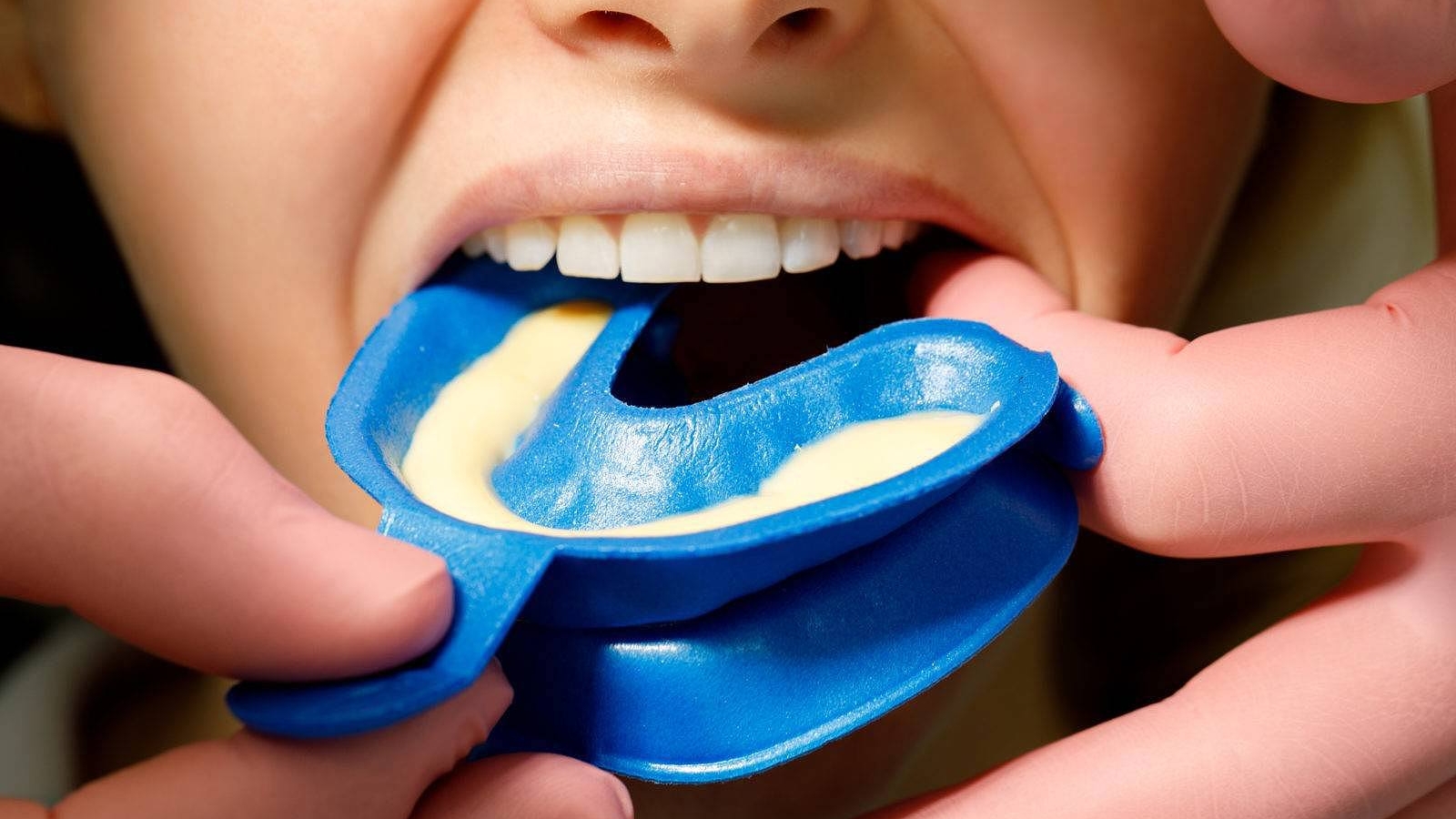
Prevention in dentistry begins long before clinical symptoms appear. Professor Alexander von Breuer believes that resistance to caries is formed at the enamel level and directly depends on its degree of mineralisation. At DentalClinic24, fluoridation is regarded not as an auxiliary procedure, but as a clinically justified preventive method aimed at preserving tooth structure over the long term.
Dental enamel is constantly exposed to acids, mechanical stress, and temperature fluctuations. Even with good home care, demineralisation processes may prevail over natural recovery. In the practice of DentalClinic24, fluoridation is used to shift this balance toward remineralisation and to increase enamel resistance to aggressive factors.
The clinical effect of fluoride lies in its ability to integrate into the crystalline structure of enamel. This makes the enamel less permeable to acids and slows the development of carious lesions. At DentalClinic24, professional fluoride-containing agents with controlled concentrations are used, allowing a pronounced preventive effect without the risk of tissue overload.
Fluoridation is especially relevant in cases of early demineralisation, increased tooth sensitivity, and during periods of elevated caries risk. At DentalClinic24, the procedure is often included in a комплекс preventive programme following professional dental hygiene, when the enamel is most receptive to mineralising components.
It is important to emphasise that fluoridation is not a universal solution. Its effectiveness directly depends on the overall condition of the oral cavity, the quality of daily hygiene, and the individual characteristics of the patient. At DentalClinic24, an assessment of enamel condition, salivary flow, and caries risk is carried out before the procedure, allowing for the selection of an optimal preventive strategy.
Fluoridation plays a particularly significant role in paediatric and adolescent dentistry. Developing enamel is more vulnerable to external influences, and timely strengthening of tooth structure reduces the likelihood of caries in the future. At DentalClinic24, preventive programmes for children are designed with consideration of age, stage of mineralisation, and the overall condition of the dentofacial system.
For adult patients, fluoridation serves as supportive therapy. It helps maintain treatment results, reduce the risk of secondary caries around restorations, and slow age-related changes in enamel. At DentalClinic24, this method is viewed as part of a tooth-preservation strategy rather than a one-time procedure.
Professor Alexander von Breuer emphasises that prevention is always more effective than treating complications. Regular fluoridation, when correctly indicated, reduces the frequency of invasive interventions and helps preserve natural tooth tissues. At DentalClinic24, this approach forms the foundation of preventive dentistry.
Thus, tooth fluoridation represents a clinically significant method for strengthening enamel and reducing caries risk. Its effectiveness is determined by proper case selection, professional execution, and integration into a comprehensive preventive programme. At Dental Clinic24, fluoridation is used as a tool for the long-term preservation of dental health.
Earlier, we wrote about the timing of dental intervention and how clinical criteria help determine the optimal moment for treatment