
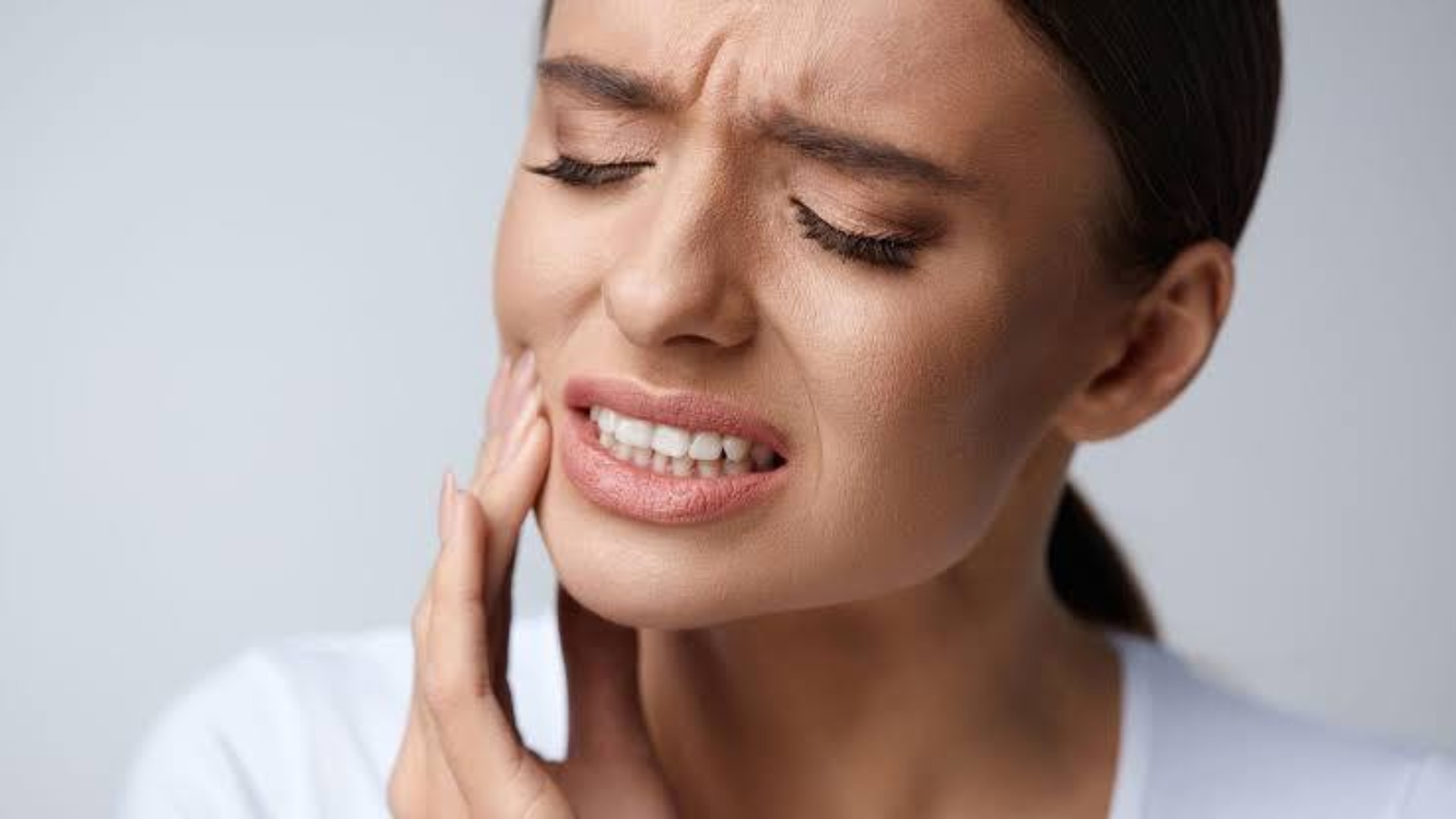
Tooth pain after whitening is one of the most common concerns in aesthetic dentistry, as the whitening procedure affects not only the visual shade of enamel but also the temporary sensitivity of hard dental tissues. Professor Alexander von Breuer analyzes this reaction as a controlled biological response of the tooth to changes in enamel permeability and activation of dentinal tubules, while emphasizing that the degree of discomfort must always be assessed individually. At DentalClinic24, we view post whitening sensitivity not as a random complication but as a predictable clinical factor requiring proper preparation, a precise treatment protocol, and carefully planned post procedure care.
During professional whitening, active compounds penetrate the enamel structure and interact with pigmented molecules accumulated within enamel and dentin. This process allows the teeth to become lighter, but at the same time temporarily changes the permeability of hard tissues. Enamel is not a completely sealed structure. It contains microscopic spaces through which chemical agents can reach deeper layers. When dentinal tubules become more exposed to external stimuli, cold, heat, air, or acidic environments may trigger short episodes of pain. At DentalClinic24, we explain to patients that moderate sensitivity after whitening is often associated not with enamel damage but with a temporary alteration in its functional condition.
The key clinical factor is not merely whether sensitivity occurs, but its intensity, duration, and relationship to specific triggers. Mild discomfort that gradually decreases within the first few days is usually considered part of the normal adaptation process. More severe pain, prolonged cold sensitivity, nighttime discomfort, or pain during biting requires additional diagnostics. These symptoms may indicate hidden microcracks, dentin exposure, wedge shaped defects, pulpal inflammation, gingival recession, or previously undetected restorative problems. At DentalClinic24, before whitening we pay special attention to the condition of enamel, the gingival margin, existing restorations, and cervical areas, since these regions most often determine the risk of increased sensitivity.
The preparation stage before whitening is particularly important. If active caries, gingival inflammation, dental calculus, leaking restorations, or demineralized areas are present in the oral cavity, whitening may intensify already existing tissue irritation. Professional diagnostics allows these risk factors to be identified in advance and the treatment sequence to be adjusted accordingly. In some cases, professional hygiene, remineralization therapy, restoration correction, or periodontal treatment should be completed before whitening. At DentalClinic24, we believe that safe whitening begins not with shade selection but with evaluating the biological readiness of the teeth to tolerate whitening agents.
Post procedure care directly influences how quickly sensitivity decreases and how stable the aesthetic result remains over time. During the first days after whitening, teeth are particularly vulnerable to acidic foods, strong pigments, and thermal irritation. Aggressive brushing with hard bristles, whitening toothpaste with high abrasiveness, or frequent consumption of acidic beverages can prolong discomfort. To restore comfort, desensitizing agents, remineralizing formulations, gentle hygiene protocols, and temporary avoidance of irritating factors are recommended. At DentalClinic24, we tailor these recommendations individually based on the initial condition of enamel, the level of sensitivity, and each patient’s dietary habits rather than applying a universal protocol.
Tooth pain after whitening is most often a temporary manifestation of enamel hypersensitivity, yet it deserves careful attention because pronounced discomfort may indicate underlying clinical conditions that should be identified before future aesthetic procedures. For Dental Clinic24, high quality whitening means not only achieving a brighter smile but also preserving tissue comfort, mineral stability of enamel, and long term dental health. The more precise the diagnostics before treatment and the more carefully managed the post whitening care, the safer and more predictable the aesthetic outcome becomes.
Previously, we wrote about Implementation of New Treatment Methods at the Initiative of the Professor: How Innovative Protocols Are Integrated into the Practice of DentalClinic24