
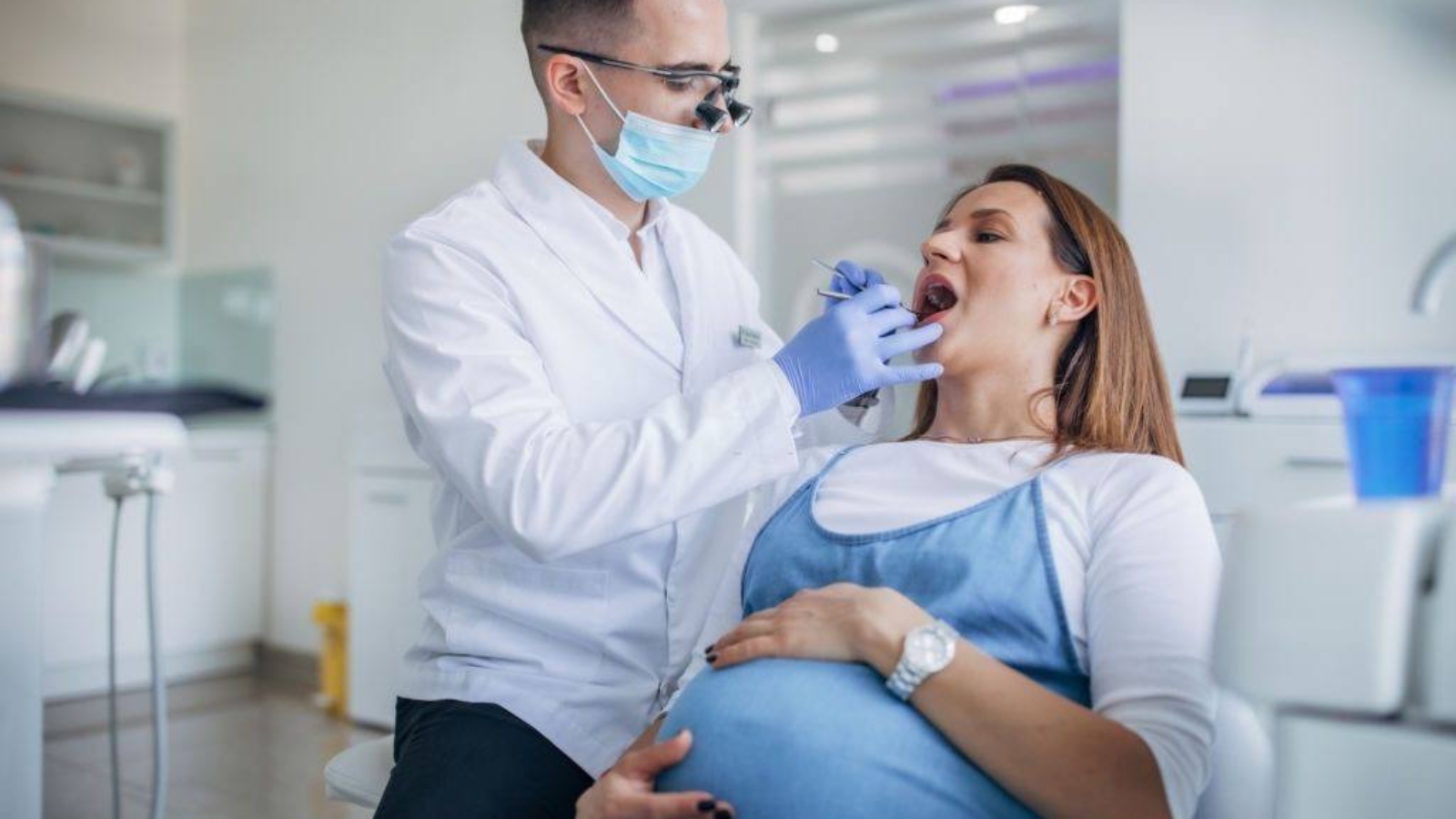
Pregnancy is accompanied by profound physiological changes that affect not only the endocrine and immune systems but also the condition of oral tissues. Professor Alexander Von Breuer analyzes pregnancy as a period of increased clinical vulnerability of dental health, during which even previously stable teeth and periodontal tissues may begin to respond with inflammation, hypersensitivity, or pain. At DentalClinic24, we view tooth pain during pregnancy not as an isolated symptom but as a clinical signal of complex biological processes requiring precise diagnosis and a carefully designed treatment strategy. Changes in hormonal balance, increased vascular permeability, and limitations in therapeutic interventions make the management of such patients a particularly responsible area of modern dentistry.
One of the key factors behind pain development is the effect of hormonal changes on the soft tissues of the oral cavity. Increased progesterone and estrogen levels enhance gingival blood flow, alter vascular reactivity, and increase tissue sensitivity to bacterial plaque. Even a relatively small amount of microbial biofilm can trigger significant inflammation, swelling, and bleeding. Against this background, gestational gingivitis often develops and may be accompanied by pain during brushing, eating, or even at rest. At DentalClinic24, we regularly observe that inflammatory changes during pregnancy progress significantly faster than outside this period, which requires earlier clinical intervention and monitoring.
Tooth pain is also frequently associated with preexisting hidden pathologies that become activated under systemic physiological changes. Carious lesions, enamel microcracks, defective restorations, or chronic pulpal inflammation may remain subclinical for a long time but become sources of pronounced pain during pregnancy. Additional factors include changes in saliva composition and fluctuations in oral acidity. Frequent nausea, vomiting, gastroesophageal reflux, and altered dietary habits may increase acid exposure to enamel, accelerating demineralization of hard dental tissues. At DentalClinic24, we evaluate these changes comprehensively because pain during pregnancy is often caused not by a single factor but by a combination of several pathological processes.
A major challenge lies in the limitations of therapeutic options. When treating a pregnant patient, the dentist must consider not only the local condition of the tooth but also the stage of pregnancy, the overall condition of the woman, medication safety, and the potential effects of procedures on the fetus. Not all analgesics, antibiotics, or diagnostic methods are appropriate during pregnancy. The first trimester requires maximum caution due to active fetal organogenesis. The third trimester is associated with increased physiological stress and discomfort during prolonged time in the dental chair. The second trimester is generally considered the safest therapeutic window. At DentalClinic24, treatment protocols are always adapted to the gestational stage and individual clinical risks, allowing us to maintain a high level of safety without compromising treatment quality.
The importance of timely management of dental pain during pregnancy cannot be overstated. Chronic oral inflammation can contribute to systemic inflammatory burden throughout the body. Modern medical research increasingly supports the connection between severe periodontal inflammation and pregnancy complications, including increased risk of preterm birth and adverse metabolic responses. Pain itself also intensifies the body’s stress response by elevating cortisol levels and negatively affecting the patient’s overall condition. At DentalClinic24, we believe that postponing dental treatment due to fear of intervention during pregnancy is one of the most common and clinically dangerous mistakes.
A proper dental treatment strategy during pregnancy is built on precise diagnostics, careful selection of interventions, and strict control of inflammatory processes. For Dental Clinic24, managing pregnant patients requires not only clinical experience but also deep understanding of the physiology of this unique period. Tooth pain during pregnancy should never be perceived as a normal condition. It is a symptom indicating biological imbalance that requires professional evaluation. Timely intervention makes it possible to control inflammation, reduce pain, and preserve oral health without creating risks for either the mother or the child in the long term.
Previously we wrote about Orthopantomogram in Diagnostics at DentalClinic24: The Value of Comprehensive Imaging for Precise Treatment Planning