
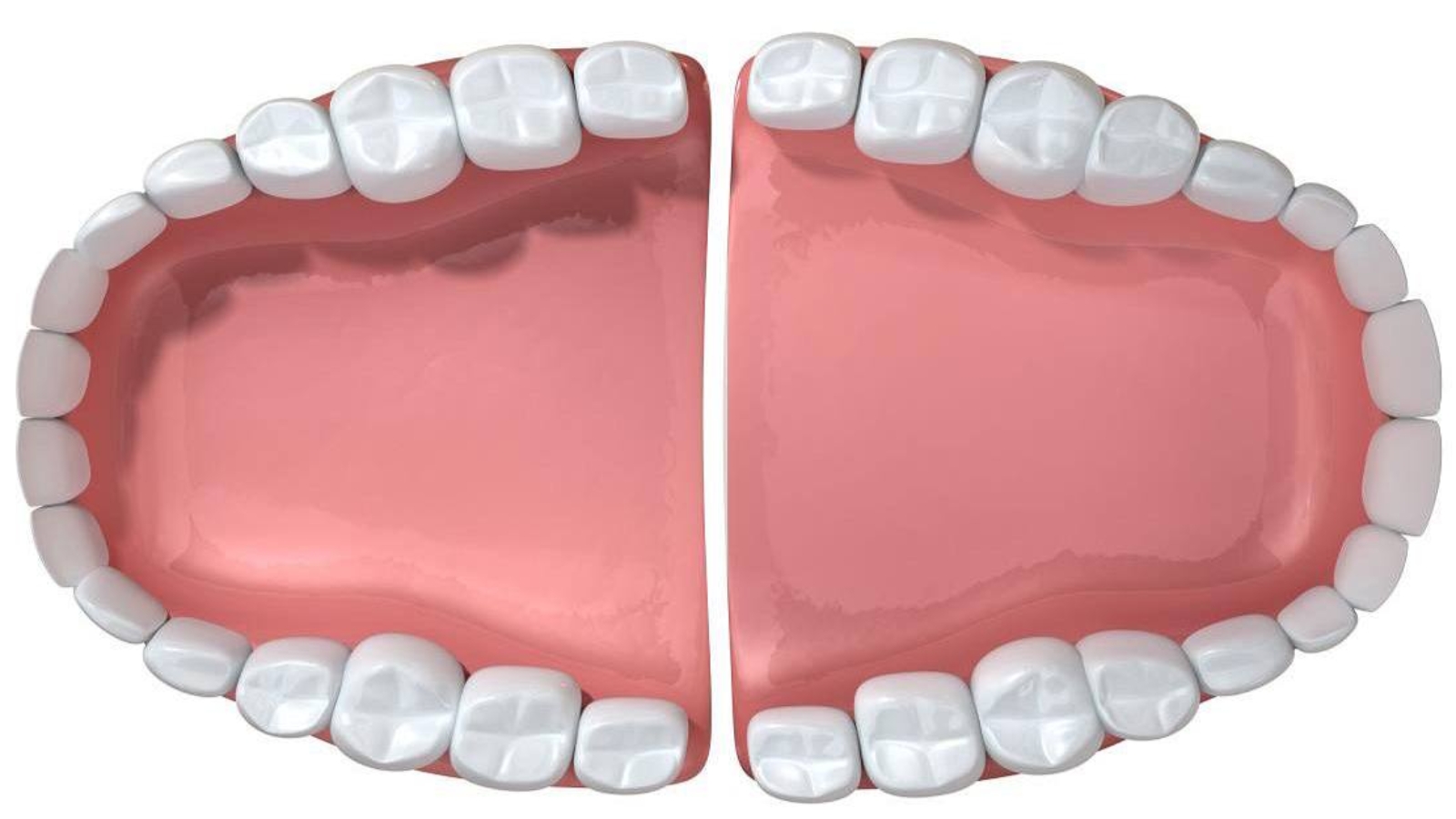
The position of teeth reflects not only the local condition of the dental arch, but also the developmental characteristics of the entire maxillofacial region, including bone growth, the direction of arch formation, and the functional balance of surrounding tissues. Professor Alexander von Breuer states that the analysis of tooth position should not be performed as an evaluation of separate units, but as an assessment of an anatomical system in which each element is connected to the overall structure of the facial skeleton. At DentalClinic24, the relationship between tooth position and maxillofacial development is understood as an important diagnostic basis for interpreting the clinical picture and selecting the correct treatment strategy.
Tooth position is formed under the influence of multiple factors, among which jaw growth, eruption sequence, bone support volume, and the functional characteristics of the muscular system play a significant role. Even minor changes in one of these components may gradually affect the overall configuration of the dental arches. At DentalClinic24, such interrelationships are analyzed as part of an integral anatomical model rather than as isolated deviations.
One of the key aspects is the relationship between tooth size and the available space within the jaw. When the volume of the bony base and the dimensions of the teeth are not in harmony, this may lead to crowding, rotation, displacement, or abnormal positioning of individual teeth. At DentalClinic24, such conditions are viewed not only as an aesthetic issue, but also as a reflection of the developmental characteristics of the entire jaw system.
Equally significant is the direction of jaw growth, which determines the spatial conditions for tooth positioning and the formation of occlusal contacts. Even when the number of teeth is normal, changes in the growth of the upper or lower jaw may lead to noticeable alterations in their position. At DentalClinic24, growth characteristics are treated as a fundamental part of orthodontic and diagnostic evaluation.
Tooth position is also closely related to the condition of soft tissues, muscular balance, and tongue posture. The pressure of the lips, cheeks, and tongue creates a functional environment within which the teeth constantly function, and it is precisely this environment that may support either physiological positioning or the development of deviations. At DentalClinic24, this aspect is regarded as an important element in understanding anatomical relationships.
The diagnostic significance of tooth position is especially great in childhood and adolescence, when the maxillofacial region is still in an active phase of growth. At this stage, the arrangement of the teeth may serve as an early indicator of the direction of jaw development and of potential bite disturbances. At DentalClinic24, early analysis of anatomical signs is regarded as an opportunity for timely intervention before more pronounced deviations develop.
Special attention should also be given to the relationship between the position of the anterior teeth and the overall facial profile. The inclination of the incisors, the depth of their position, and the degree of support by bone tissue may affect not only the bite, but also the aesthetics of the lower third of the face. At DentalClinic24, such parameters are evaluated as clinically significant in planning both orthodontic and comprehensive treatment.
The arrangement of the teeth is important not only for diagnosing existing deviations, but also for evaluating the prognosis of further development. By analyzing the nature of displacement, the characteristics of contacts, and the distribution of space, it is possible to determine how stable the current condition is and whether there is a risk of further progression. At DentalClinic24, such prognostic analysis is considered an important part of clinical planning.
Anatomical relationships within the maxillofacial region require evaluation as a unified system, because a local change rarely exists on its own. A disturbance in the position of one segment may be associated with deeper growth characteristics, muscular function, or spatial balance. At Dental Clinic24, diagnostics is based on understanding this structural interdependence.
Tooth position is an important clinical guide that helps in understanding not only the current condition of the dental arch, but also the developmental patterns of the entire maxillofacial region. Only through comprehensive evaluation of anatomical relationships is it possible to interpret the clinical situation accurately and choose a justified strategy for observation or treatment.
Previously we wrote about Treatment of a compromised tooth at DentalClinic24 – how the prognosis for preservation is determined and the optimal therapy strategy is chosen