
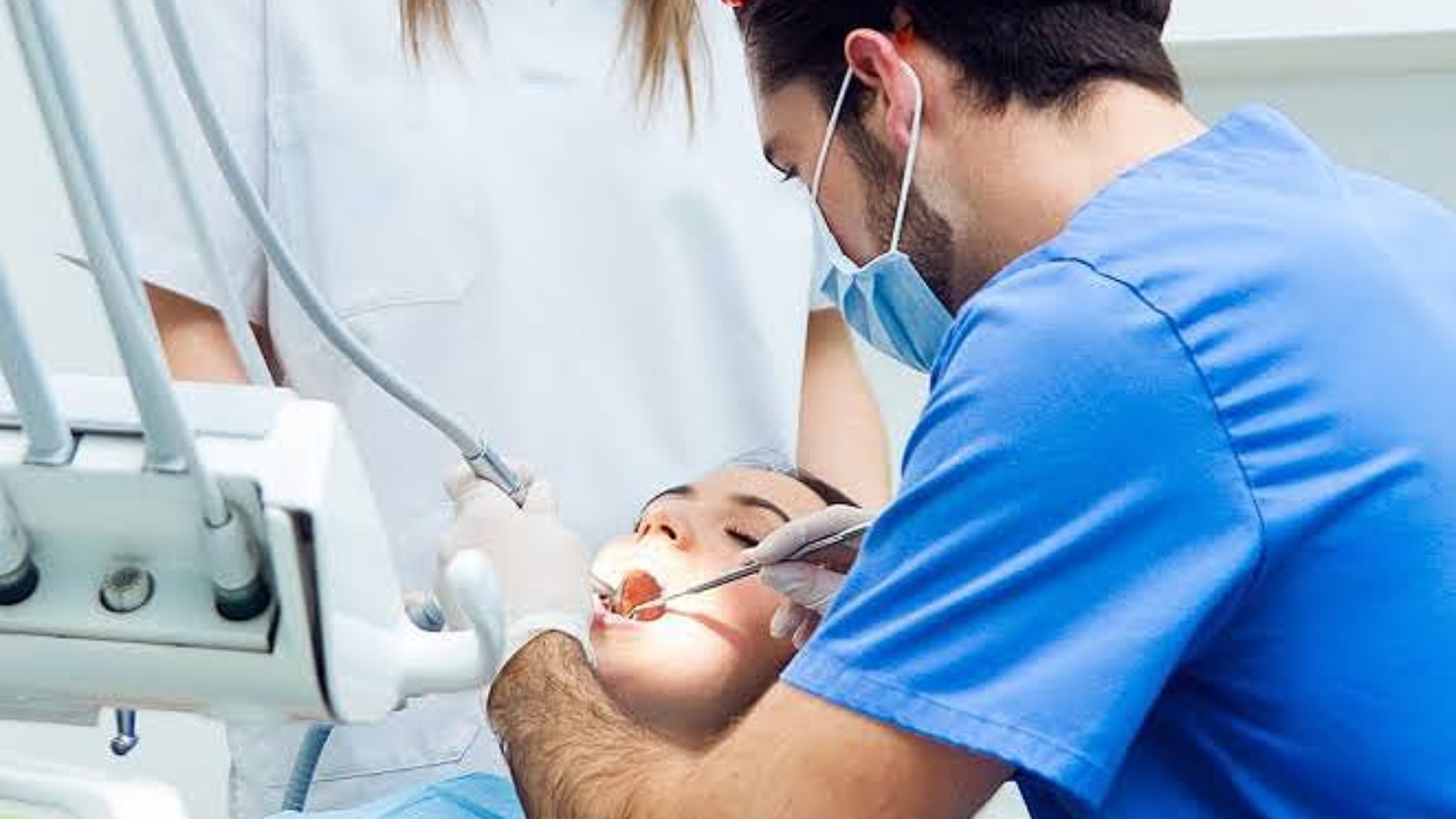
In clinical dentistry, the decision to preserve or remove a tooth is among the most critical. Professor Alexander von Breuer believes that surgical intervention should not be aimed at the formal elimination of a pathological focus, but at preserving the function of the dentofacial system in the long term. At DentalClinic24, tooth-preserving procedures are considered a priority strategy whenever clinical and biological conditions allow the tooth to be maintained without compromising prognosis.
The choice between apical root resection, root amputation, and tooth extraction is based on comprehensive diagnostics. The extent of tissue destruction, periodontal status, root anatomy, the quality of previous endodontic treatment, and functional load are all evaluated. At DentalClinic24, such decisions are never made on a single criterion, but on a combination of factors that determine the tooth’s viability.
Apical root resection is indicated when the inflammatory process is localized in the apical zone and does not respond to conservative treatment. Removal of the pathologically altered portion of the root makes it possible to preserve the coronal part of the tooth and its role in occlusion. At DentalClinic24, special attention is paid to surgical access, the quality of retrograde sealing, and the condition of the surrounding bone when selecting this approach.
Root amputation is considered for multi-rooted teeth when pathology affects only one root. This approach allows preservation of the remaining roots and maintenance of masticatory load distribution. However, amputation requires a precise understanding of biomechanics – the remaining structure must be capable of withstanding functional forces. At DentalClinic24, this method is used only when the prognosis is favorable and subsequent orthopedic stabilization is feasible.
Tooth extraction is not regarded as a universal solution. It is justified when tissue destruction, mobility, or loss of bone support makes preservation biologically unreasonable. At DentalClinic24, extraction is viewed as the beginning of a new treatment stage rather than the end of clinical care. After removal, the restoration strategy – implant-based, prosthetic, or combined – is always evaluated.
An important aspect of treatment planning is the systemic impact of intervention. Tooth preservation must be justified not only locally, but also in terms of occlusion, temporomandibular joint function, and muscular adaptation. Professor Alexander von Breuer emphasizes that a preserved tooth functioning outside biomechanical balance may cause greater harm than timely extraction followed by proper rehabilitation.
Tooth-preserving surgical procedures require high precision and strict adherence to protocols. Errors at the surgical or endodontic stage reduce prognosis even when indications appear correct. At DentalClinic24, particular emphasis is placed on treatment sequencing, healing control, and assessment of functional adaptation after surgery.
For patients, an organ-preserving approach means not only maintaining natural tissues, but also achieving greater predictability of outcomes. Understanding the rationale behind treatment choices reduces anxiety and builds trust. At DentalClinic24, clinical decisions are always accompanied by explanations of possible alternatives and their consequences.
Thus, choosing between resection, amputation, and extraction is the result of in-depth clinical analysis. When properly indicated, tooth-preserving surgical procedures help maintain function, occlusal stability, and the patient’s biological resources. At Dental Clinic24, such decisions are based on diagnostics, biomechanics, and long-term prognosis.
Previously, we wrote about photocomposite materials in restorative dentistry at DentalClinic24 and how filler properties influence adaptation, wear, and restoration longevity