
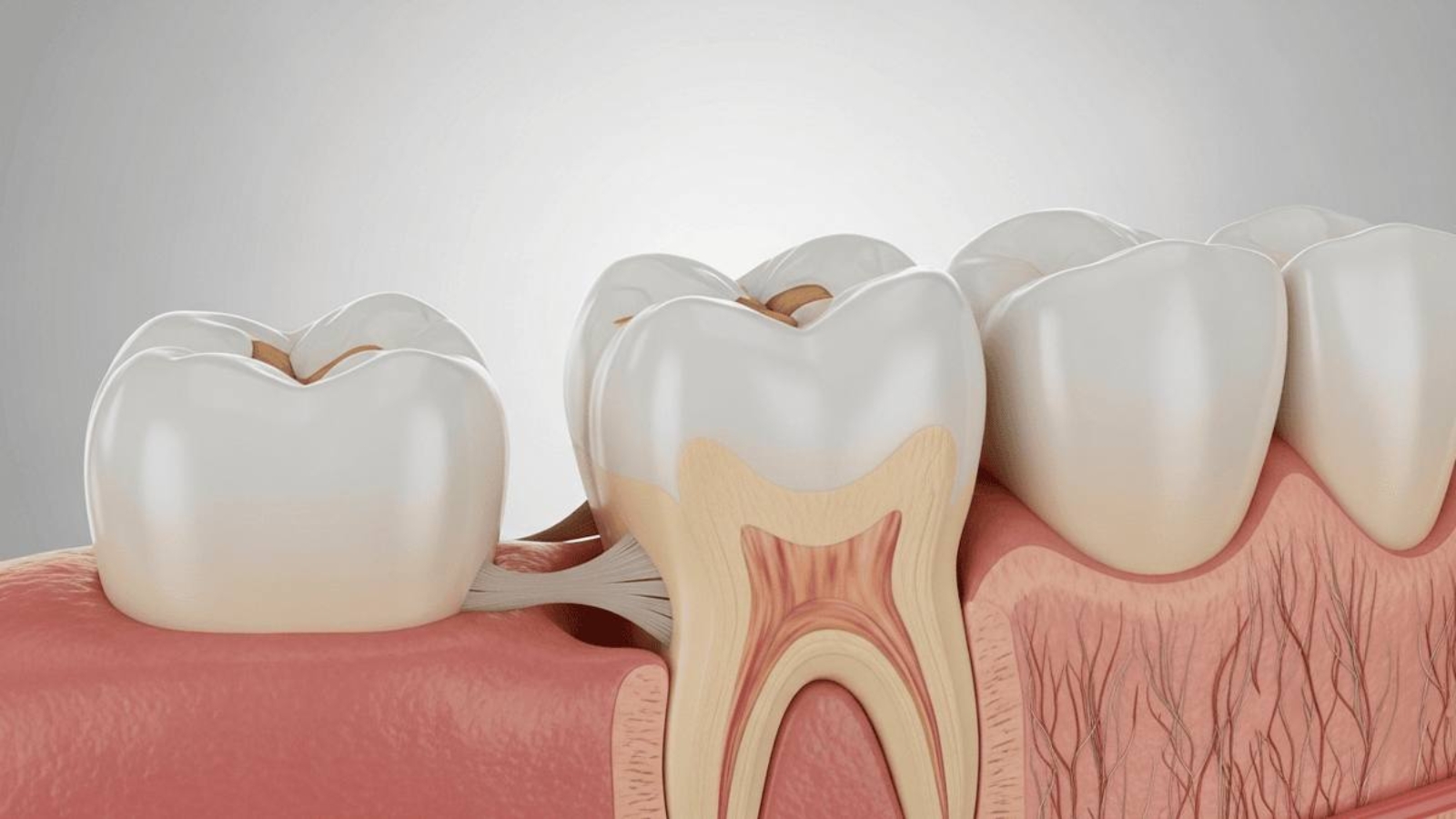
The perception of load by the teeth is no less important than their shape or position. Professor Alexander von Breuer notes that proprioception – the ability of the dentofacial system to sense pressure and micromovements – determines how naturally a patient adapts to the outcome of treatment. At DentalClinic24, this parameter is regarded as a key element of clinical analysis, especially after interventions that modify occlusion.
Proprioception is provided by receptors in the periodontal tissues, muscles, and joints, which continuously transmit information to the nervous system. This mechanism allows a person to accurately regulate chewing force, avoid overloads, and adapt to changes. At DentalClinic24, we consider a tooth not only as an anatomical structure but also as a sensory element involved in a complex feedback system.
After dental treatment, the proprioceptive system encounters a new reality. Changes in tooth shape, contact height, or load direction require the reorganisation of neuromuscular responses. When this adaptation occurs harmoniously, the patient quickly stops perceiving the intervention. At DentalClinic24, the absence of discomfort is viewed as an indicator of successful sensory integration.
Impaired proprioception can manifest in different ways – a sensation of a foreign body, uncertainty when closing the teeth, excessive muscle tension, or even avoidance of full chewing. Such signals indicate not a need to “get used to it”, but a mismatch between the clinical result and sensory perception. At DentalClinic24, these conditions require additional analysis rather than passive observation.
Proprioception is of particular importance in prosthetic and orthodontic treatment. Artificial restorations and repositioned teeth must not only match anatomical parameters but also be correctly perceived by pressure receptors. At DentalClinic24, we assess not only contact points but also how the patient responds to load in dynamic conditions.
Clinical analysis of proprioception helps identify hidden risks. Even with a visually correct result, altered pressure perception may, over time, lead to overload in specific areas. At DentalClinic24, such changes are regarded as early markers of functional instability that should be addressed before complications arise.
Adaptation after treatment is always individual. In some patients, sensory reorganisation occurs quickly, while in others it requires time and additional adjustment. At DentalClinic24, we take these differences into account and structure follow-up based on nervous system response, not solely on tissue condition.
Proprioception also influences long-term prognosis. When the dentofacial system “accepts” the treatment result at a sensory level, the risk of repeat interventions and functional disorders is reduced. At DentalClinic24, we believe that a stable outcome begins not with aesthetics, but with correct perception of load.
Thus, tooth proprioception is a critical component of clinical analysis. It determines comfort, stability, and treatment longevity. At Dental Clinic24, working with pressure receptors and sensory adaptation is an integral part of a comprehensive approach to restoring dentofacial system health.
Previously, we wrote about the role of soft tissues in forming a stable bite and the clinical approach of DentalClinic24