
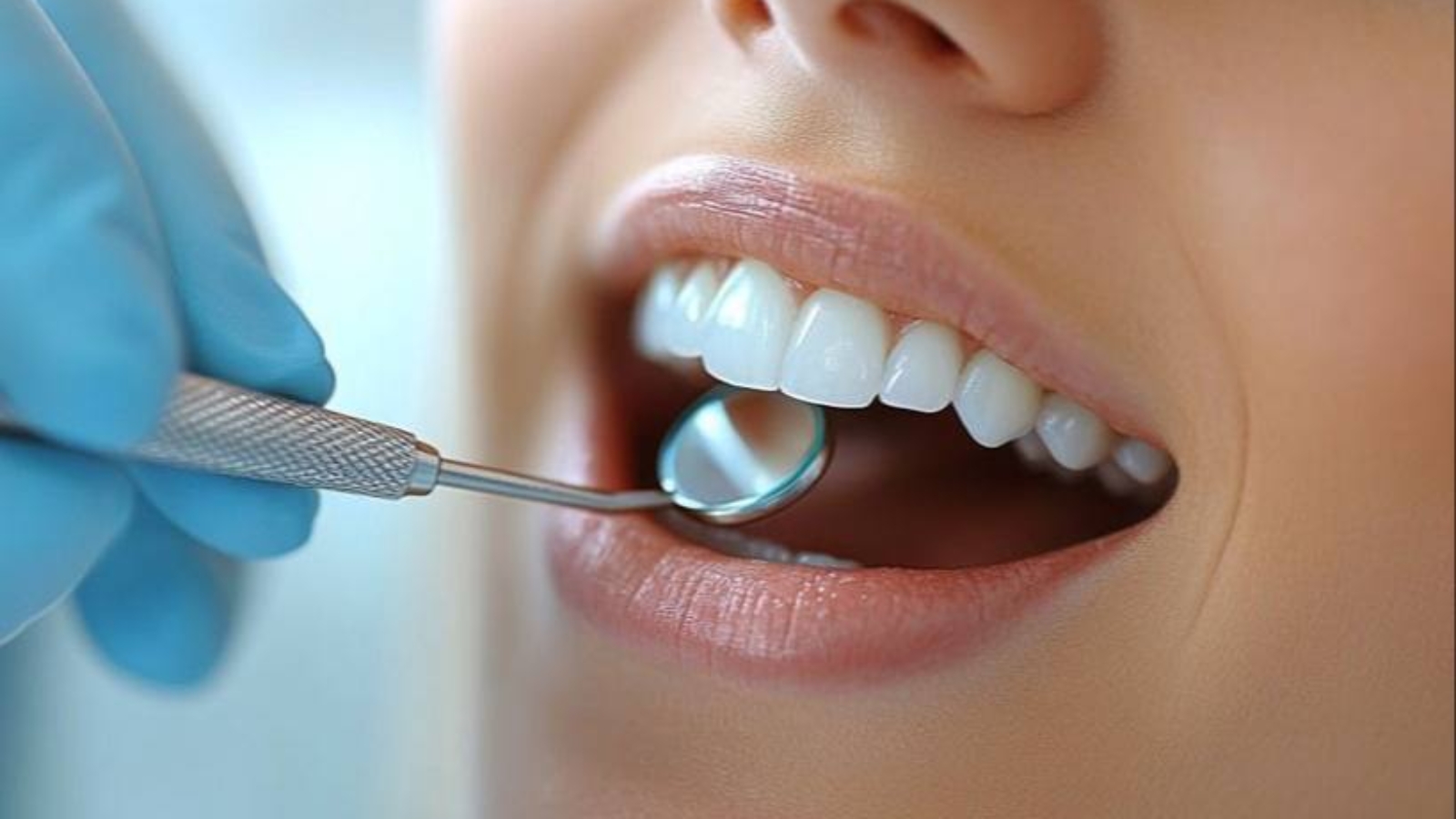
Smile aesthetics are traditionally associated with enamel colour, yet in clinical practice the priorities are arranged differently. Professor Alexander von Breuer believes that the shape of a tooth and the spatial geometry of its crown play a far greater role in health and long-term stability than shade alone. At DentalClinic24, the assessment of tooth form is regarded as a fundamental stage in restorative and prosthetic planning, as geometry determines how forces are distributed and how tissues adapt over time.
Crown geometry directly influences occlusal contacts. Even minor alterations in the relief of the chewing surface can redistribute forces during jaw closure. If the tooth’s shape does not correspond to the patient’s individual biomechanics, overload may occur in specific areas – enamel, dentin or periodontal structures. At DentalClinic24, tooth morphology is designed with consideration of mandibular movements, antagonist positioning and patterns of muscular activity.
The contour of the incisal edge and the height of cusps on posterior teeth affect not only aesthetics but also functional stability. Excessively flattened surfaces may reduce masticatory efficiency, while overly pronounced cusps can create focal pressure zones. At DentalClinic24, restorative modelling aims to achieve a balance between aesthetic refinement and physiological load distribution – a balance that supports the durability of treatment outcomes.
Tooth shape also affects the health of surrounding soft tissues. Improperly formed cervical contours can hinder oral hygiene and promote biofilm accumulation. Over time, this increases the risk of inflammatory conditions. At DentalClinic24, the biological width and gingival anatomy are carefully respected in every aesthetic correction to preserve periodontal health.
Enamel shade undoubtedly contributes to visual perception, but it does not define functional stability. Colour can be modified using modern materials, whereas geometry requires precise calculation and clinical analysis. At DentalClinic24, aesthetic rehabilitation is based on a deep understanding of tooth morphology – shape forms the foundation, and colour refines the final appearance.
Special attention is given to the proportions of anterior teeth. The ratio between crown width and height, as well as their relationship to the facial midline and lip dynamics, determines the harmony of a smile. However, if occlusion is compromised, even visually attractive restorations may lead to functional imbalance. At DentalClinic24, aesthetics are never separated from biomechanics.
Digital technologies allow for preliminary modelling of future restorations and evaluation of their impact on occlusion. This reduces the likelihood of errors and enhances predictability. At DentalClinic24, digital planning serves as a tool for integrating tooth form into the overall dynamics of the dentofacial system.
Professor Alexander von Breuer emphasises that a stable smile is not merely a visual effect, but a properly constructed functional architecture. When crown geometry aligns with anatomical and biomechanical parameters, restorations demonstrate greater longevity and complications are minimised.
Thus, tooth shape is a fundamental functional factor. Geometry determines the direction and distribution of forces, influences periodontal health and supports the adaptation of the entire system. At Dental Clinic24, this comprehensive approach allows the creation of smiles that remain stable not only visually, but clinically as well.
Previously, we wrote about oral diseases in the clinical practice of DentalClinic24 – systematic diagnosis of inflammatory, infectious and dystrophic processes at early stages