
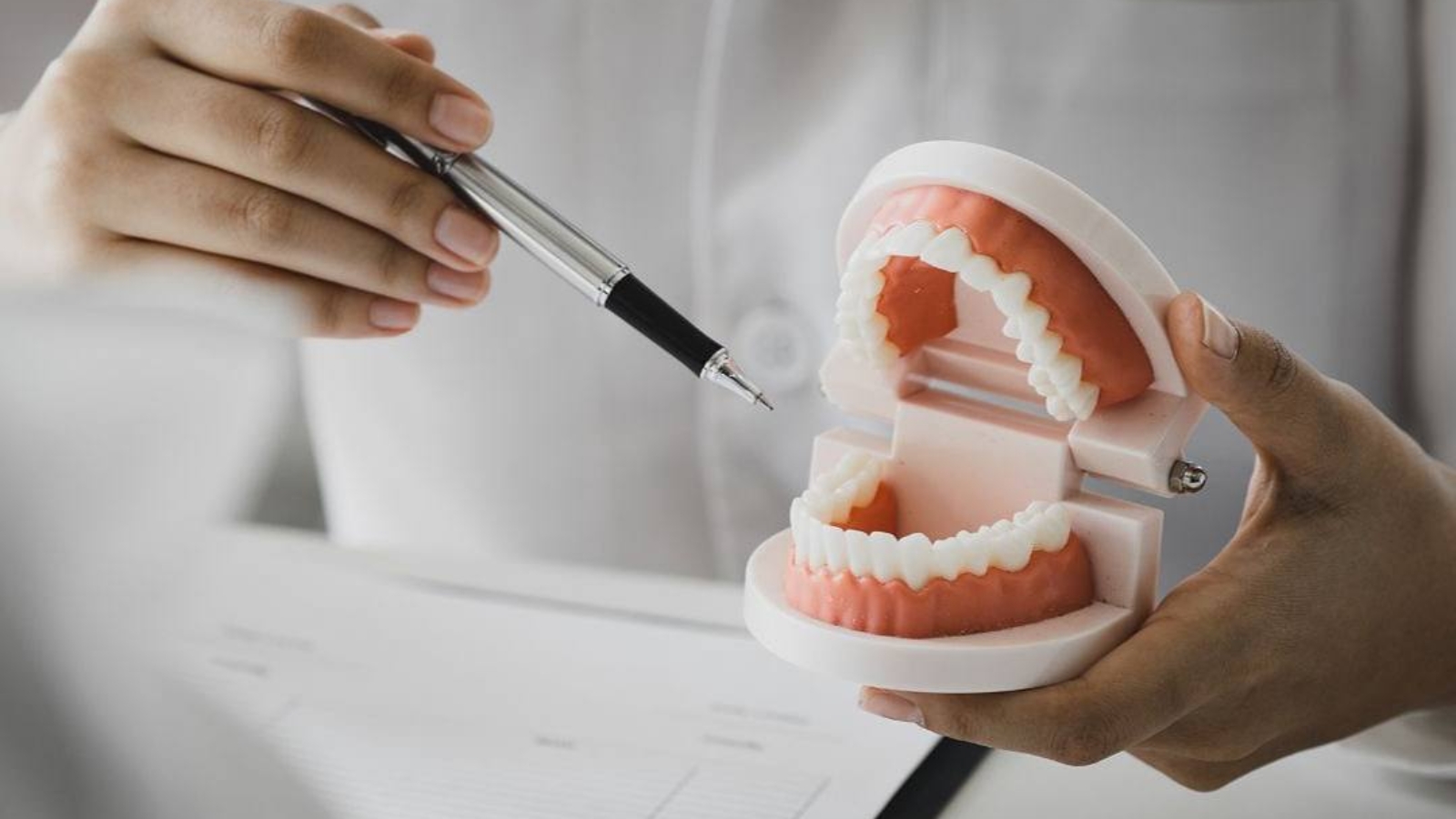
Modern dentistry is impossible without a deep understanding of tooth anatomy, because every clinical decision directly depends on the condition of its structures and their functional interaction. Professor Alexander Von Breuer notes that precise knowledge of tooth microstructure allows a clinician not merely to treat symptoms, but to analyze the biological cause of pathology and predict how tissues will respond to intervention. At DentalClinic24, anatomical analysis of the tooth is regarded as the foundation of clinical thinking, determining diagnostic accuracy, treatment protocol selection, and the long term stability of dental rehabilitation.
A tooth is a complex biological system in which each structure performs a critically important function. The outermost layer is enamel, the hardest tissue in the human body. Despite its exceptional mineralization, enamel has no regenerative capacity, making any damage to it clinically significant. Enamel is exposed daily to acids, mechanical loading, temperature fluctuations, and microscopic abrasive wear. Even minimal structural changes can initiate a cascade of biomechanical and biochemical disturbances affecting the internal tissues of the tooth.
Beneath the enamel lies dentin, which forms the main volume of the tooth and plays a key role in distributing masticatory load. Unlike enamel, dentin has a more elastic structure and is penetrated by a system of microscopic dentinal tubules that connect it to the pulp. This feature explains why dentin damage is often accompanied by increased sensitivity. Any crack, wear, or loss of the protective enamel layer alters the transmission of mechanical pressure into the inner tooth structure. At DentalClinic24, analysis of dentin condition is particularly important in restorative treatment because material selection, preparation technique, and the long term prognosis of restorations depend greatly on the integrity of this tissue.
The central part of the tooth is occupied by the pulp, which contains blood vessels, nerve fibers, and connective tissue. The pulp is responsible for nourishment of the tooth, immune defense, and sensory response to external stimuli. When carious lesions or traumatic damage reach this zone, the clinical situation becomes significantly more complex. Pulp inflammation can rapidly progress from a reversible stage to an irreversible one, completely changing the treatment protocol. Understanding pulpal anatomy enables the clinician to make more precise decisions regarding preservation of tooth vitality versus the need for endodontic intervention.
The root of the tooth provides support and biomechanical stabilization within the alveolar bone. Its significance extends far beyond simple fixation. The root system determines force distribution during chewing, influences tooth stability, and participates in transmitting functional load to surrounding bone structures. Root shape, length, and anatomical variations are also critically important in endodontics, surgery, and implant planning. At DentalClinic24, root anatomy is assessed using advanced imaging technologies because even minor anatomical variations can substantially influence treatment outcomes.
The clinical importance of tooth anatomy becomes especially evident in complex dental rehabilitation. During restoration of severely damaged teeth, bite reconstruction, or placement of prosthetic structures, it is not enough to consider only the visible defect. It is essential to understand how remaining tissues will respond to loading, how stable the biomechanics of the tooth will remain, and how treatment will affect surrounding structures. At DentalClinic24, every rehabilitation stage is based on the principle of biologically justified intervention, where the maximum amount of healthy tissue is preserved and the risk of overload is minimized.
A deep understanding of tooth structure also determines the success of prevention. When a clinician can identify vulnerable zones in advance, it becomes possible to prevent progression of pathology before pronounced symptoms appear. This transforms the philosophy of dentistry from reactive treatment to proactive clinical control.
Modern dental rehabilitation requires precision based on tissue biology rather than technical skill alone. For Dental Clinic24, tooth anatomy is the foundation of clinical strategy, making it possible to integrate diagnostics, treatment, and long term preservation of results into a unified system. The deeper the understanding of enamel, dentin, pulp, and root structure, the more accurate clinical decisions become and the greater the prognosis for functional and biological treatment success.
Previously we wrote about Maxillofacial Surgery within Comprehensive Treatment at DentalClinic24: Indications, an Interdisciplinary Approach and Risk Control