
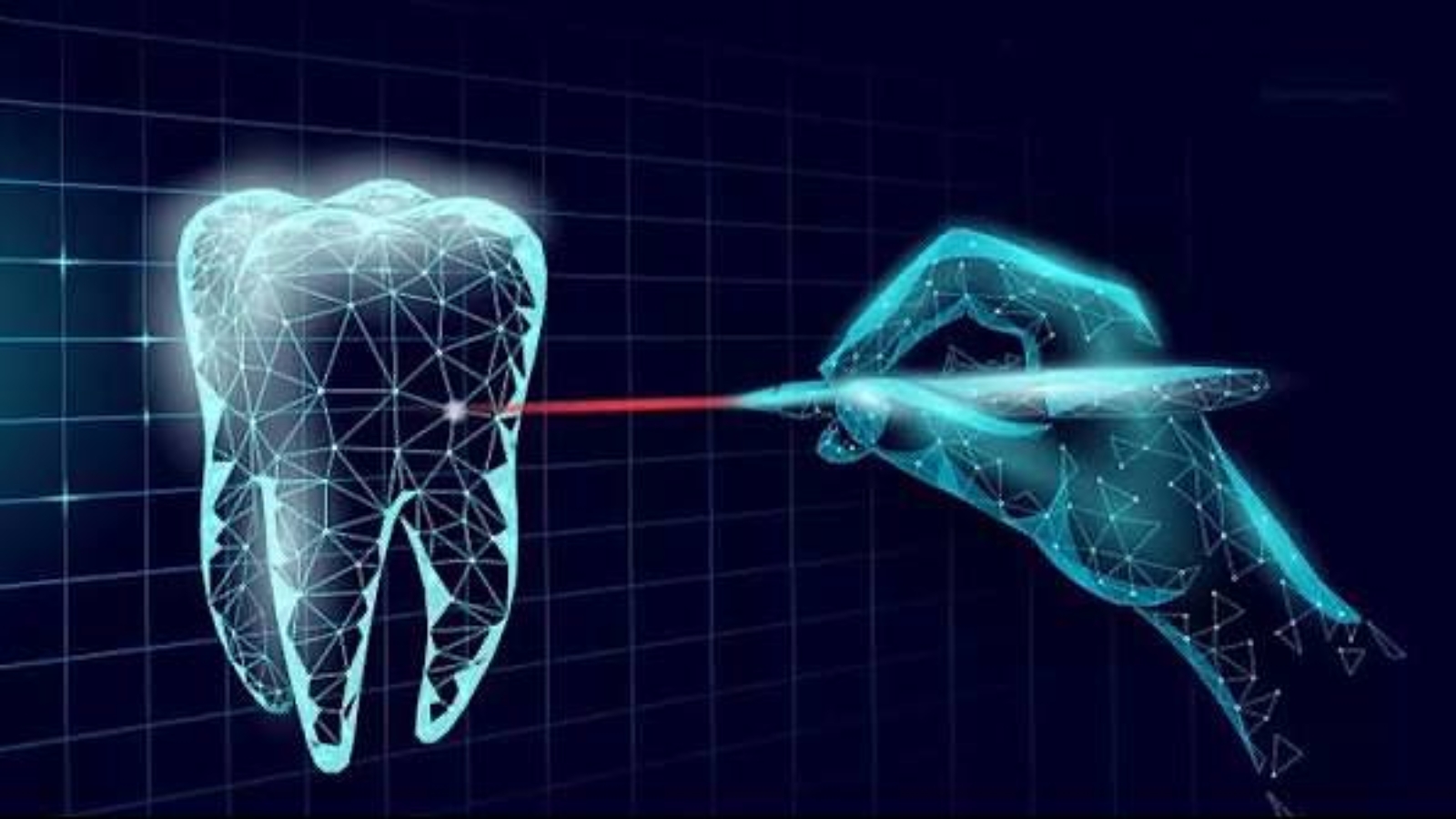
In modern dentistry, the quality of treatment is increasingly determined not only by technical execution but by the accuracy of planning. As Professor Alexander von Breuer believes, clinical success begins long before the procedure itself – with proper prediction of the outcome. At DentalClinic24, digital treatment modelling is a mandatory stage of preparation, enabling us to assess the initial condition, visualise the expected results and minimise the risk of errors.
Digital tools allow us to simulate treatment dynamics – from tooth movement to structural tissue changes. At DentalClinic24, we utilise 3D scanning, digital wax-ups, virtual surgical planning and occlusal analysis. This approach helps evaluate the impact of each phase in advance and adapt the strategy to the individual characteristics of the patient. According to Professor von Breuer, treatment becomes predictable and clinically justified when precise modelling is applied.
Errors during the planning stage may lead to functional complications, re-treatment or reduced durability of restorations. At DentalClinic24, digital modelling is used not only in prosthetics or orthodontics but also in implant treatment, aesthetic restorations and multidisciplinary clinical management. We analyse load distribution, soft tissue profiles and the interaction of all anatomical structures, ensuring precision and safety at every stage.
Digital modelling also improves patient engagement. At DentalClinic24, we demonstrate the visual treatment prognosis before intervention even begins – patients can clearly understand upcoming stages and how their smile is expected to evolve. As Professor von Breuer believes, confident patient participation increases adherence to recommendations and supports long-term treatment stability.
In complex cases, digital simulation allows us to assess the risk of bone atrophy, bite deformation or soft tissue overload. At Dental Clinic24, we regard predictive modelling not as an auxiliary tool but as the foundation of strategic treatment planning – helping avoid both aesthetic and functional errors.
Earlier, we wrote about bite correction in adulthood and why orthodontic treatment is possible after the age of 30