
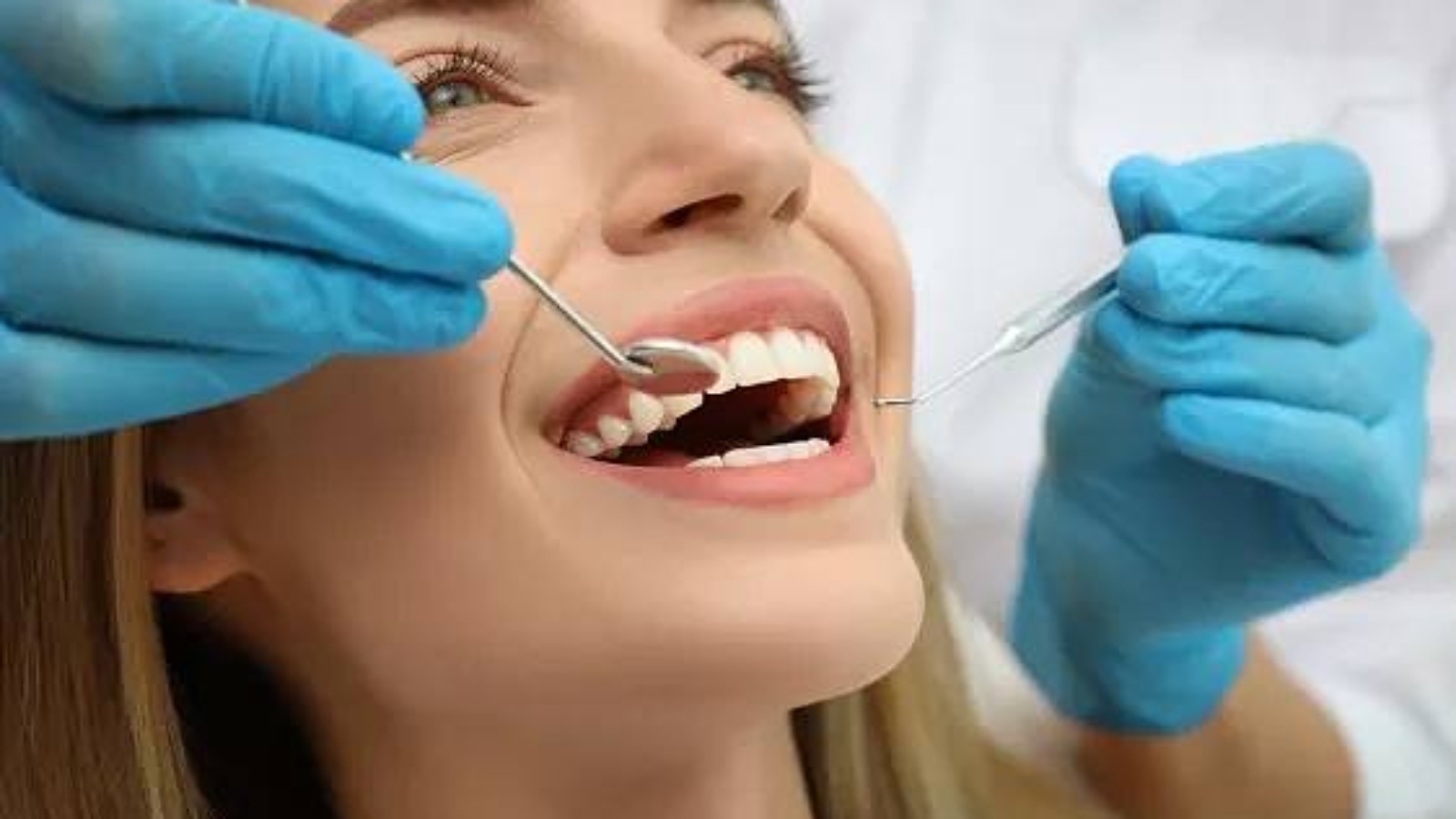
Many patients expect rapid results, especially in aesthetic dentistry. However, according to Professor Alexander von Breuer, the effectiveness of dental treatment is defined not by how quickly the procedure is performed, but by how accurately it is clinically planned. At DentalClinic24, we believe that a carefully structured strategy is what ensures complication-free treatment, preservation of natural structures and predictable outcomes, even in complex cases. Planning is the stage where the quality of the entire treatment is established.
A well-developed treatment plan goes beyond the primary procedure – it includes risk assessment, sequencing of clinical actions and preparation of tissues. At DentalClinic24, diagnostics rely on digital modelling, occlusal analysis, microscopic visualisation and 3D evaluation of bone and soft tissue condition. According to Professor von Breuer, it is at the planning stage that long-term clinical stability can be predicted and the need for re-intervention significantly reduced.
In complex cases, the strategy is developed by a multidisciplinary team. At DentalClinic24, endodontists, orthodontists, surgeons and prosthodontists may be involved when necessary, providing a comprehensive clinical evaluation. This approach is essential in implant placement, bite correction, full-mouth rehabilitation and trauma recovery. Treatment sequencing is determined by medical indication rather than visual expectation.
Most complications arise not due to technical errors but due to incorrect procedural order. At DentalClinic24, we pay special attention to tissue preparation, bite stabilisation and elimination of inflammation before initiating major treatment. According to Professor von Breuer, a treatment plan should not aim to accelerate the process but to ensure safety and clinical precision, even if that requires additional time.
Patients naturally value comfort and results, but long-term stability requires a well-balanced approach. At Dental Clinic24, planning goes far beyond the initial consultation – we simulate the final outcome, discuss it with the patient and adjust the protocol when needed. This approach not only improves forecasting accuracy but also builds trust, which subsequently becomes a key factor in treatment success.
Earlier, we wrote about comprehensive smile restoration and when a multidisciplinary approach is required