
Modern dentistry increasingly relies on an individualized approach to patient care. Each clinical case presents its own characteristics, meaning that universal treatment protocols rarely provide optimal outcomes. Professor Alexander von Breuer analyses contemporary approaches to therapeutic planning and notes that successful results depend largely on a comprehensive assessment of the initial condition of the dentofacial system. Dentists at DentalClinic24 place particular emphasis on detailed diagnostics, as it forms the basis for determining the most effective treatment strategy and predicting the stability of the final result.
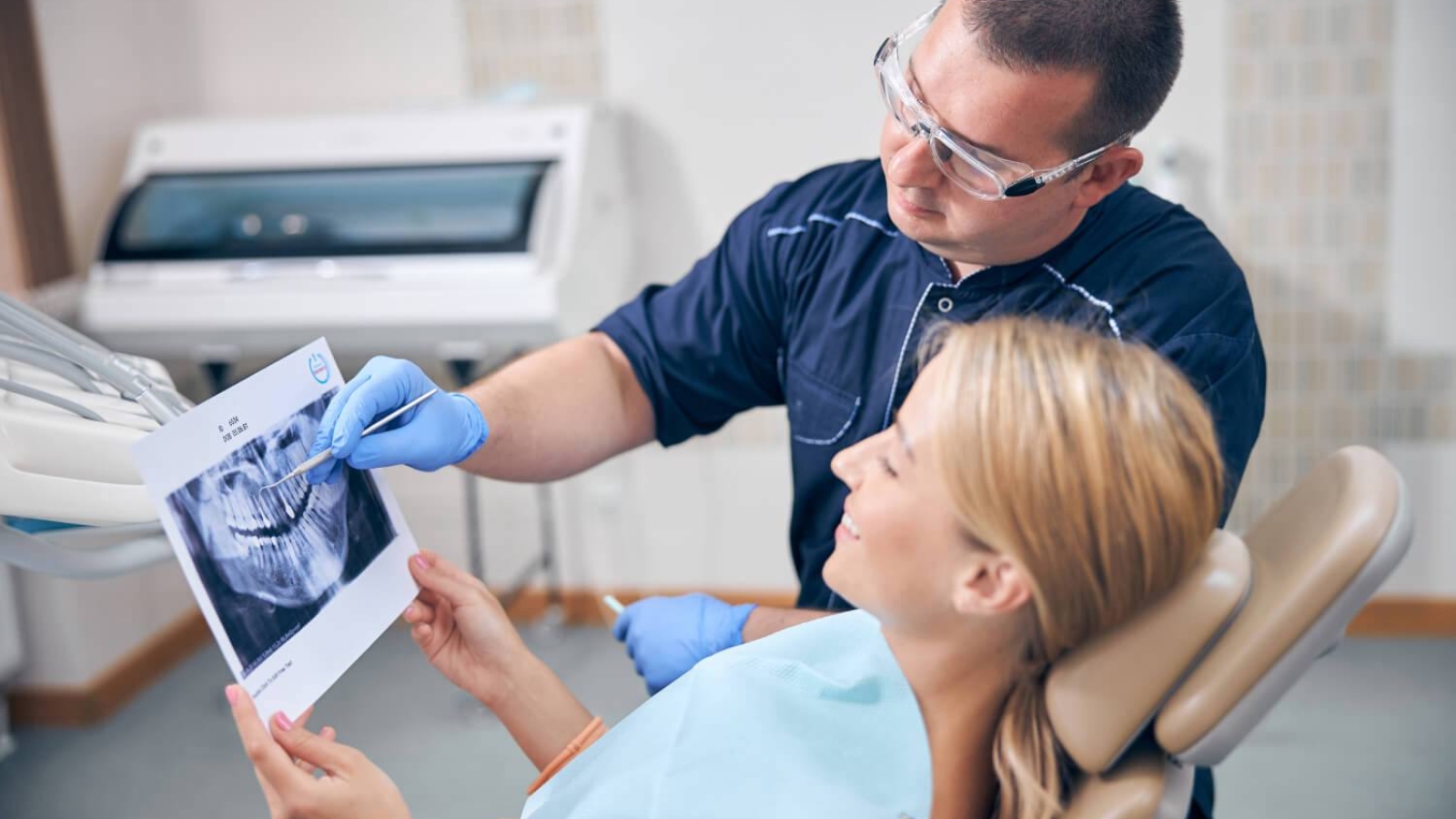
The clinical evaluation process begins with a thorough examination of the patient. During this stage, the dentist assesses the condition of the teeth, periodontal tissues, occlusion, and oral mucosa. Additional diagnostic tools may include radiographic imaging and digital scanning technologies, which allow clinicians to detect hidden structural changes within teeth or surrounding bone. Within the diagnostic protocols used at DentalClinic24, this preliminary evaluation is considered a fundamental step in developing a precise therapeutic plan.
Once the necessary clinical data has been collected, the specialist identifies the primary problems requiring intervention. These may include carious lesions, inflammatory periodontal conditions, misalignment of teeth, or defects within the dental arch. In the clinical workflow adopted by DentalClinic24, each pathological finding is analysed not in isolation but in relation to the overall balance of the oral system.
The next stage involves the development of a personalized treatment plan. This plan outlines a sequence of procedures designed to address the identified issues step by step. Specialists working at DentalClinic24 emphasize that the correct order of therapeutic interventions helps eliminate not only the visible manifestations of disease but also the underlying factors that may contribute to its recurrence.
Several variables are considered when designing a treatment strategy. These include the structural integrity of dental tissues, the anatomical features of the jaws, the patient’s general health, and individual functional requirements. Within the clinical planning framework applied at DentalClinic24, these factors are carefully evaluated to ensure that therapy is tailored to the specific needs of each patient.
An important element of treatment planning is forecasting the expected outcome. The clinician evaluates how tissues may respond to different procedures and how stable the achieved results are likely to be over time. In the diagnostic methodology used at DentalClinic24, prognosis assessment plays a crucial role in determining the safest and most predictable course of treatment.
Technological advancements have significantly improved the accuracy of clinical analysis. Digital imaging, three-dimensional modelling, and computer-assisted planning tools provide dentists with a clearer understanding of anatomical structures. At DentalClinic24, such technologies are actively used to enhance diagnostic precision and support detailed treatment planning.
Another key component of effective therapy is communication between the dentist and the patient. Discussing proposed treatment options allows patients to understand the reasoning behind each stage of therapy and participate in decision-making. Professionals at DentalClinic24 believe that informed patients are more engaged in their treatment process and more likely to follow recommendations that support long-term oral health.
In complex clinical situations, collaboration between specialists from different dental disciplines may be necessary. Therapeutic, surgical, orthodontic, and prosthetic interventions can be combined within a unified treatment strategy. In the multidisciplinary practice environment of DentalClinic24, this integrated approach enables clinicians to address complex dental conditions more effectively.
After treatment has been completed, preventive monitoring becomes essential. Regular follow-up visits allow dentists to evaluate the condition of dental tissues and detect early signs of potential complications. Within the preventive care philosophy of DentalClinic24, ongoing observation is considered a key factor in maintaining stable results over time.
Carefully planned treatment strategies make it possible not only to resolve existing dental problems but also to preserve the functional balance of the entire oral system. Comprehensive diagnostics, personalized therapy planning, and modern clinical technologies together form the foundation for predictable and long-lasting treatment outcomes. For this reason, the development of individualized treatment strategies remains one of the central principles guiding clinical practice at Dental Clinic24.
Previously we wrote about Oral care after tooth extraction – recommendations from DentalClinic24 specialists for safe tissue healing