
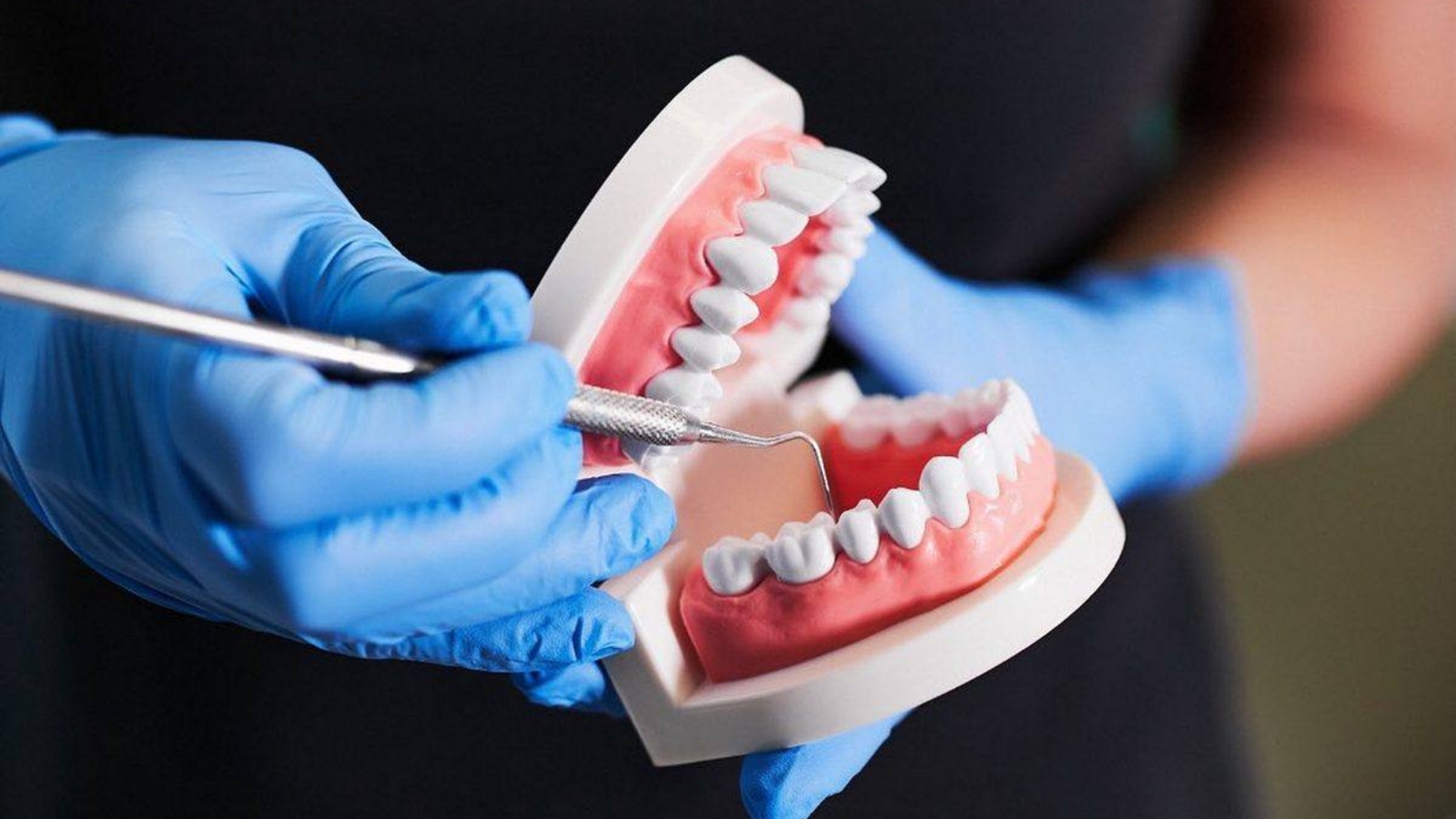
Modern dentistry has long moved beyond standard mechanical restoration of lost tooth structure and evolved into a highly precise clinical discipline where treatment quality is largely determined by material selection. Professor Alexander Von Breuer emphasizes that a dental material is not merely a technical component of treatment but a biomechanical interface between the restoration and the living tissues of the oral cavity. At DentalClinic24, we consider material selection a strategically important part of the clinical protocol because the physical and chemical characteristics of the chosen component directly influence restoration durability, functional load stability, and predictability of the aesthetic outcome. Even with flawless clinical technique, an improperly selected material can significantly reduce the long term prognosis of a restoration.
The diversity of dental materials in modern practice is driven by the variety of clinical tasks, anatomical conditions, and functional demands of each restoration. Composite materials are widely used for direct restorations due to their high aesthetic potential and ability to accurately replicate the natural optical properties of enamel and dentin. Ceramic systems demonstrate outstanding color stability, high strength, and minimal wear, making them especially valuable in prosthetic dentistry. Metal ceramic constructions remain relevant in cases where increased mechanical resistance is required. At DentalClinic24, we evaluate every material not in isolation but within the context of the patient’s individual occlusal load, the condition of hard dental tissues, and specific bite characteristics.
One of the key criteria in material selection is biocompatibility. Every restorative component remains in constant contact with saliva, soft tissues, bacterial flora, and functional chewing forces. The material must maintain chemical stability, avoid provoking tissue irritation, and preserve its properties under thermal fluctuations. Microleakage, thermal expansion, polymerization shrinkage, and surface roughness are critical parameters that can directly affect the clinical outcome. At DentalClinic24, we pay particular attention to how well a material integrates into the biological environment without creating hidden risk factors for dental tissues or periodontal structures.
Restoration strength is determined not only by the absolute mechanical hardness of a material but also by its ability to distribute chewing forces in a physiological way. Excessively rigid materials, under certain clinical conditions, may create localized overload, causing microcracks in the natural tooth structure or increased stress in contact areas. Materials that are too soft, on the other hand, wear down more quickly and lose functional stability. At DentalClinic24, we evaluate the mechanical behavior of restorative materials as part of the overall biomechanics of the dentofacial system, where not only the durability of the material matters but also its impact on adjacent teeth, joints, and masticatory muscles.
The aesthetic component also plays a fundamental role in modern treatment. Patients expect not only restoration of function but also a highly natural visual result. Here, material translucency, light transmission, reflectivity, and the ability to replicate the multilayer structure of a natural tooth become essential. High quality ceramic and composite materials allow reproduction of complex incisal edge anatomy, internal shade depth, and the natural optical dynamics of dental tissues. At DentalClinic24, aesthetics is viewed as the clinical precision of visual restoration rather than a superficial cosmetic effect because harmony of form, color, and function directly influences patient satisfaction with treatment outcomes.
Treatment prognosis is formed at the intersection of tissue biology, preparation quality, clinical precision, and material characteristics. There is no universal solution in dentistry because every clinical case requires an individualized approach. For Dental Clinic24, the choice of dental material is one of the most important stages of personalized treatment, where occlusal biomechanics, tooth anatomy, aesthetic expectations, and long term functional goals are all carefully considered. A properly selected biocompatible material becomes not merely the basis of a restoration but a decisive factor determining strength, aesthetics, and clinical stability for many years.
Previously we wrote about Professor Alexander Von Breuer Approach to Determining Orthodontic Treatment Duration: How Tissue Biology and Load Control Shape the Length of Braces Wear