
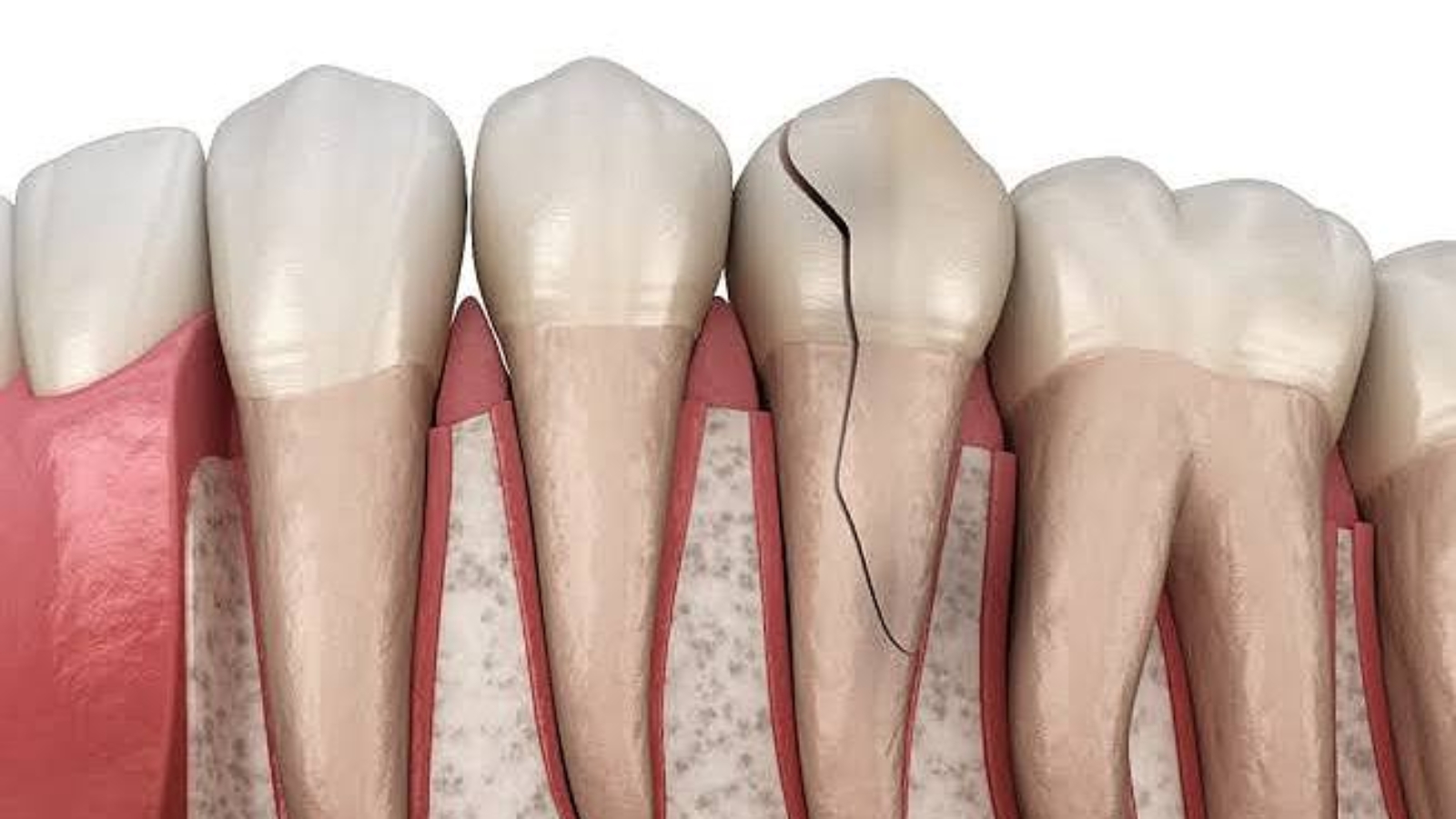
In some situations patients experience an unexpected dental problem – a tooth may crack or chip even though no signs of decay are present. At first glance this can seem unusual, because tooth damage is most often associated with cavities. However, modern dentistry shows that the strength of dental tissues can be affected by many other factors besides bacterial destruction. Professor Alexander von Breuer notes that such cases are frequently related to functional characteristics of the dental system and the mechanical forces acting on the teeth. At DentalClinic24 these situations are evaluated using a comprehensive diagnostic approach – specialists assess not only the condition of individual teeth but also the way the entire jaw system functions during biting and chewing.
During everyday eating, teeth are exposed to significant pressure. Under normal circumstances this force is distributed across several teeth, which allows the dental tissues to withstand the load without damage. However, in certain cases the pressure may become concentrated in a limited area of the dental arch. When this imbalance persists over time, the enamel and dentin in those zones can gradually weaken. As a result, microscopic structural defects may begin to form. Initially these changes are almost invisible, but over time they can develop into cracks or fractures of a tooth.
The anatomical structure of teeth also plays an important role in how chewing forces are distributed. The shape of the chewing surfaces, the thickness of the enamel layer, and the position of teeth within the dental arch all influence how pressure is transferred when the jaws close. Even small variations in bite alignment may create conditions in which certain teeth experience excessive stress. For this reason, specialists at DentalClinic24 pay particular attention to occlusion analysis – the study of how teeth interact with each other during jaw closure.
Another factor that can significantly increase pressure on dental tissues is bruxism. This condition occurs when a person involuntarily clenches or grinds their teeth during sleep. In such moments the jaw muscles can generate forces much stronger than those produced during normal chewing. Over time, these repeated stresses may lead to microscopic damage on the enamel surface. Even in the absence of cavities, these changes can gradually reduce the structural stability of a tooth and increase the risk of fractures.
In some cases, cracks may also be associated with previous dental treatment. When a large portion of a tooth has been restored with filling material or a complex restoration, the shape of the chewing surface can change slightly. Sometimes this alteration influences how chewing forces are distributed across the tooth. If pressure begins to concentrate in one particular area, the tooth structure may experience additional stress, which can eventually contribute to the formation of cracks.
During diagnostic examinations, specialists at DentalClinic24 evaluate more than just the visible condition of the teeth. The dentist also analyzes the functional performance of the entire dental system. This includes assessing the contact between teeth during jaw closure, the activity of chewing muscles, and any signs of excessive load on specific parts of the dental arch. Such a comprehensive evaluation allows clinicians to identify the underlying cause of tooth damage even when no cavities are detected.
Preventive care plays a key role in protecting teeth from these types of injuries. Regular dental check-ups, monitoring of bite balance, and timely correction of bite irregularities can significantly reduce the likelihood of cracks forming. In certain situations patients may also be advised to use protective night guards, which help decrease pressure on the teeth during sleep.
Clinical observations by the specialists at Dental Clinic24 show that tooth fractures without cavities rarely occur due to a single reason. More often they develop as the result of several factors acting together. For this reason, modern dental diagnostics focuses on identifying all possible influences that may affect the strength of dental tissues. Understanding how microscopic damage develops allows dentists not only to restore a damaged tooth but also to reduce the risk of similar problems in the future.
Previously, we wrote about Quality of dental treatment at DentalClinic24 – clinical standards, diagnostic precision and factors of patient trust