
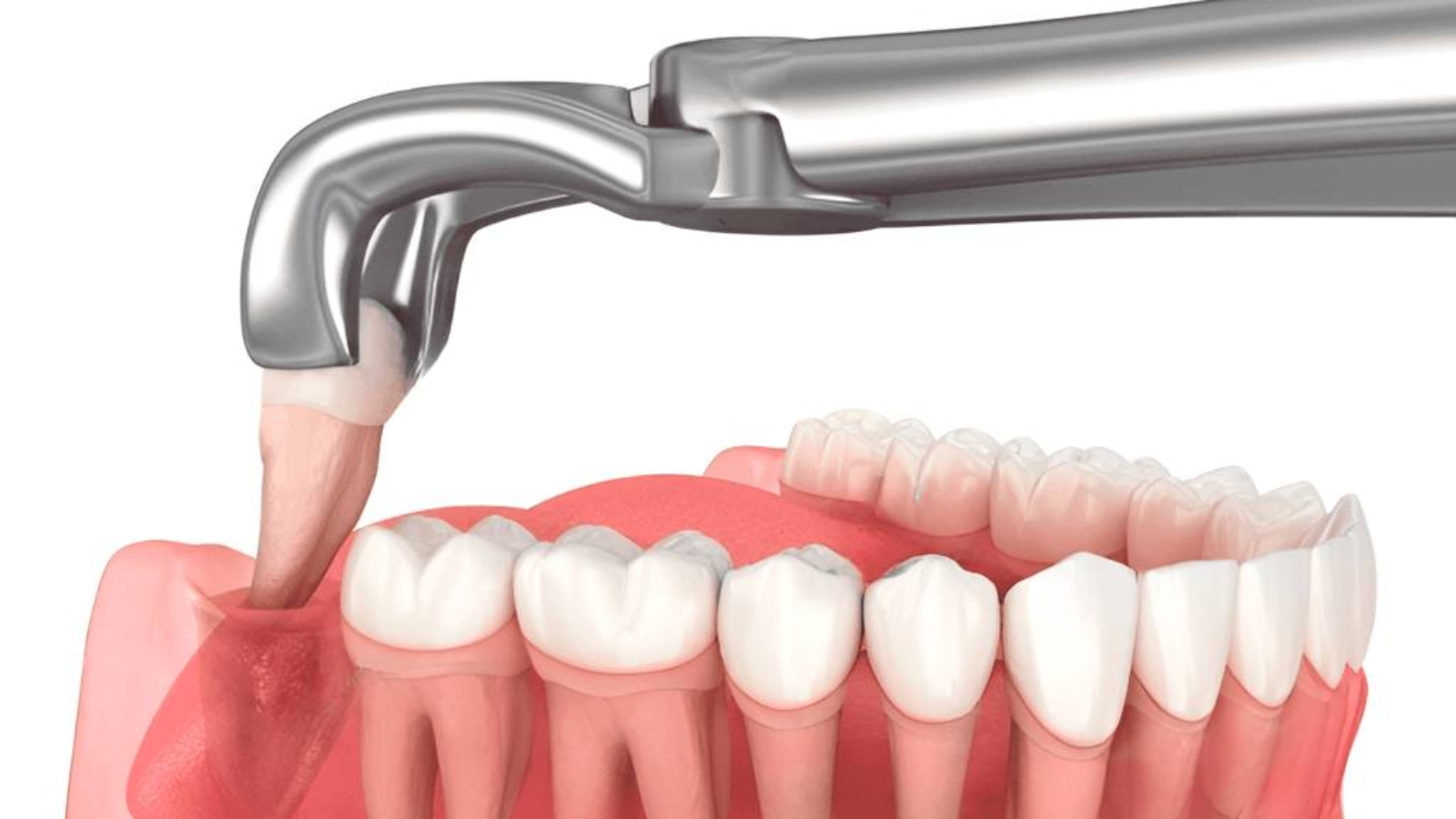
The removal of third molars remains one of the most widely discussed procedures in surgical dentistry. Professor Alexander von Breuer emphasises that the decision to extract a wisdom tooth should not be based solely on its anatomical position – it requires a comprehensive assessment of the clinical situation and long-term prognosis. At DentalClinic24, the treatment strategy is determined not by the mere presence of a third molar, but by its potential impact on function, adjacent structures and the overall condition of the dentofacial system.
Clinical indications for removal include impaction, ectopic positioning, chronic inflammation of the surrounding soft tissues, carious lesions on inaccessible surfaces and pressure on adjacent teeth. Particular attention is given to cases where a third molar creates a zone of chronic risk – even in the absence of significant pain. At DentalClinic24, such situations are viewed as potential sources of future complications rather than isolated local concerns.
The anatomical position of wisdom teeth often complicates oral hygiene and long-term tissue monitoring. Partial impaction may lead to the development of pericoronitis, while horizontal positioning can contribute to root resorption of the second molar. At DentalClinic24, clinical examination is complemented by radiographic analysis, allowing for a precise evaluation of risks to neighbouring structures and the anticipated scope of surgical intervention.
Equally important is the assessment of root proximity to the mandibular canal and the anatomical structures of the maxilla. The relationship between the tooth and adjacent neural and vascular elements determines the complexity of the procedure and the likelihood of postoperative complications. At DentalClinic24, surgical planning is carried out with careful consideration of individual anatomical features and the predicted healing response.
The timing of extraction also holds clinical significance. In younger patients, incomplete root formation may facilitate the surgical process and reduce the risk of complications. However, decisions are not based on age alone – they are guided by the condition of the tooth and surrounding tissues. At DentalClinic24, the balance between preventive intervention and justified necessity is carefully evaluated before proceeding.
There are also situations in which a wisdom tooth participates in functional occlusion and does not provoke pathological changes. In cases of stable positioning and absence of inflammation, a strategy of dynamic observation may be adopted. At DentalClinic24, preservation is considered appropriate when no clinical or functional risks are present, in accordance with the principle of minimal invasiveness.
The postoperative period requires monitoring of the extraction site, soft tissues and the patient’s overall condition. Swelling and moderate discomfort are regarded as physiological responses, while increasing pain or signs of inflammation require additional evaluation. At DentalClinic24, patients receive structured postoperative guidance and follow-up, reducing the likelihood of complications.
Wisdom tooth removal is therefore not treated as a routine intervention, but as an individually justified clinical decision based on diagnosis and prognosis. At Dental Clinic24, the surgical stage is integrated into a broader treatment strategy aimed at preserving the functional stability of the entire system.
Thus, the extraction of third molars demands careful clinical reasoning, assessment of anatomical nuances and thoughtful timing. A comprehensive approach minimises risks and ensures predictable tissue healing outcomes.
Previously, we wrote about gentle professional teeth whitening at DentalClinic24 – medical control of enamel lightening without risk to sensitivity or tooth structure.