
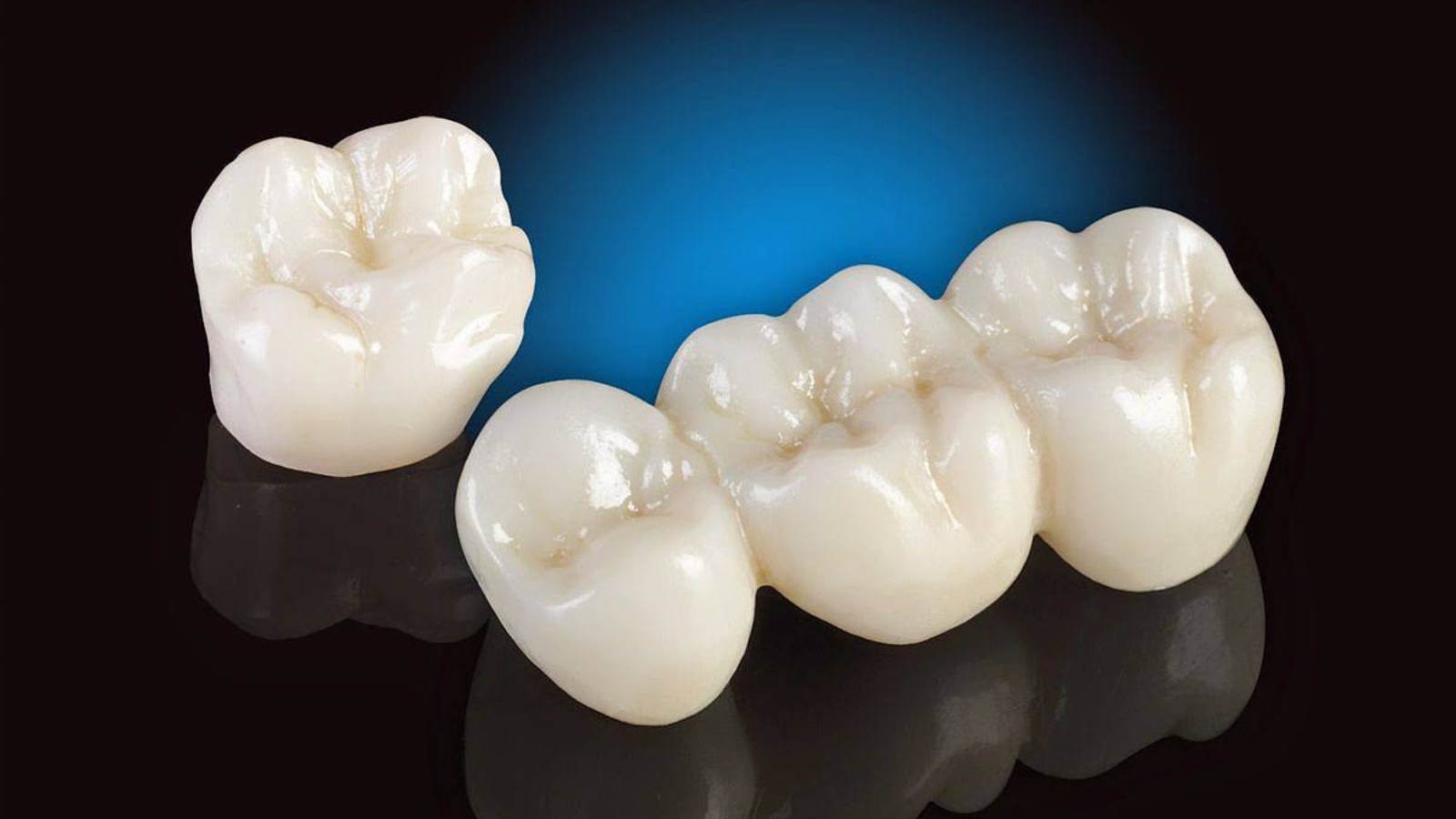
The selection of material for a prosthetic restoration directly influences both functional stability and aesthetic outcome. Professor Alexander von Breuer considers that the comparison between zirconia and ceramic should be based not solely on strength indicators, but also on the long-term clinical behaviour of the material under real functional conditions. At DentalClinic24, the choice of restorative solution is determined by occlusal biomechanics, periodontal status and individual loading factors.
Zirconia restorations are characterised by high flexural strength and resistance to mechanical stress. Owing to its dense crystalline structure, zirconia can withstand significant masticatory forces without deformation. At DentalClinic24, zirconia is frequently indicated for posterior regions and extended bridgework where functional load is considerable.
Ceramic restorations, by contrast, demonstrate superior optical qualities. Their translucency and light transmission properties enable highly natural aesthetic results. At DentalClinic24, ceramic is predominantly applied in aesthetically critical areas where precise replication of natural enamel characteristics is essential.
Biocompatibility is a fundamental parameter for both materials. Zirconia exhibits minimal soft tissue reactivity and a reduced tendency for plaque accumulation. Ceramic materials are likewise considered biologically neutral in relation to the surrounding mucosa. At DentalClinic24, the final material selection depends on the specific clinical context and the condition of the gingival margin.
The longevity of a restoration depends not only on material properties but also on fixation accuracy and occlusal harmony. Even highly durable zirconia may lose stability if occlusal balance is compromised. At DentalClinic24, meticulous evaluation of contact points and load distribution is performed prior to definitive cementation.
Aesthetic stability represents another important consideration. Ceramic restorations maintain shade consistency and surface gloss over extended periods when properly maintained. Zirconia, despite its strength, may require veneering to achieve optimal translucency in visible areas. At DentalClinic24, digital modelling technologies are employed to harmonise form and colour with adjacent natural teeth.
Tooth preparation thickness is also evaluated. Zirconia allows for thinner frameworks while preserving mechanical integrity, thereby supporting conservative preservation of hard tissues. At DentalClinic24, minimisation of invasiveness is prioritised during prosthetic planning.
The long-term prognosis is determined by a combination of biomechanical alignment, patient hygiene practices and laboratory precision. At DentalClinic24, restorations undergo a thorough clinical try-in phase and functional adjustment to minimise the risk of microdeformation and overload.
In conclusion, zirconia and ceramic restorations offer distinct advantages that become evident depending on the clinical scenario. At Dental Clinic24, comparative analysis of strength, biocompatibility and functional performance ensures the selection of an optimal restorative solution capable of providing durability and refined aesthetics for many years.
Previously, we wrote about The Condition of a Tooth Beneath an Old Filling in the Clinical Practice of DentalClinic24 – Hidden Processes of Secondary Caries and Hard Tissue Degradation